Keep the children in their groups of 5
As the class will be beginners you will need to go through bat grip/technique etc.
Explain that we are looking to hit the ball straight. In each group there will be 1 batter, 1 feeder and 3 fielders. If there are feeder cones available use these and have 4 fielders.
The batters should take a step forward with their front foot and try to hit the ball from the cone through the coned gates straight a head. The fielders will stand behind the gates, field the ball and bring it back..
If using a feeder, wait for the ball to bounce once before hitting. When the batter has had 3 goes swap round to ensure everyone gets ago. keep switching around
Coaching points: steady swing, power doesn't matter, eye on the ball, follow thorugh, stay balanced through the shot, don't move back foot.
To progress this drill, move from a feeder cone, to a feeder dropping the ball, to a bobble feed.
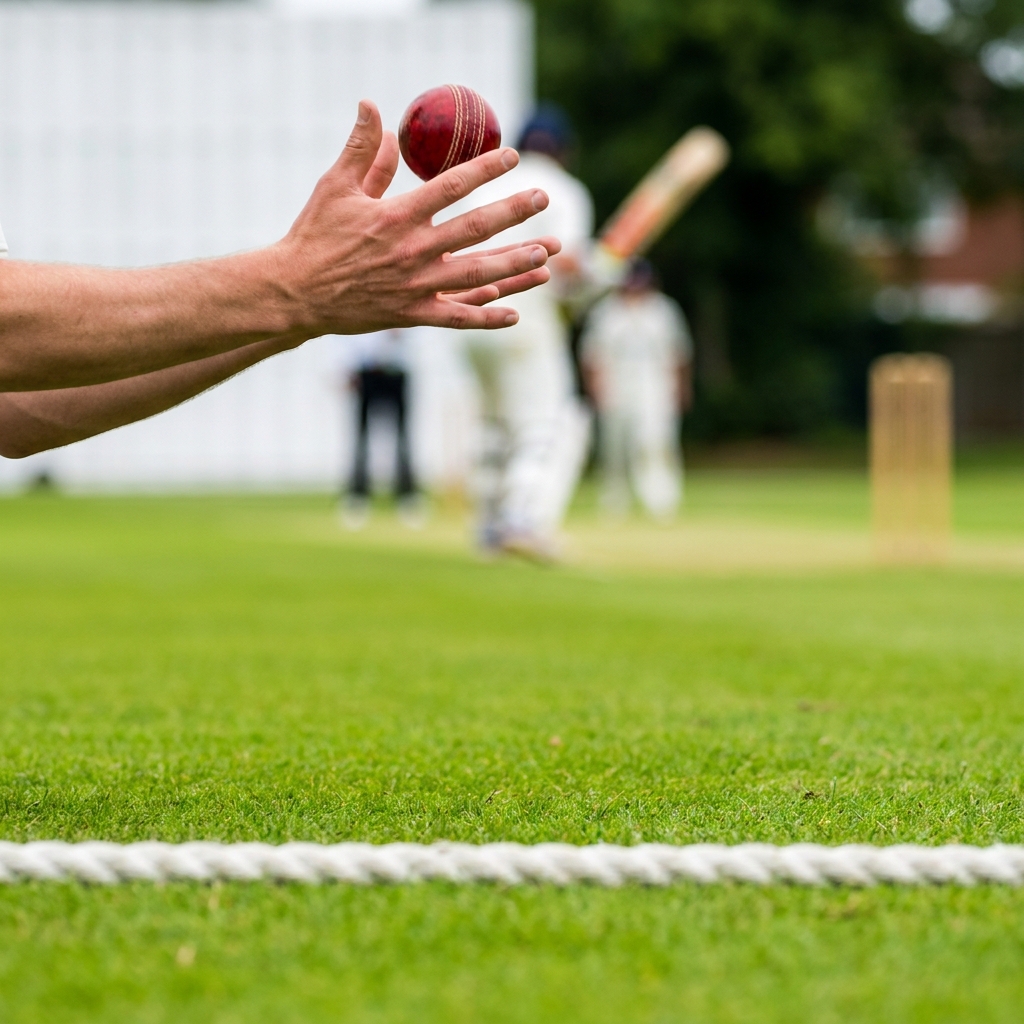
The new Laws of Cricket are in force from 1 October 2026 and the 'bunny hop' boundary catch is gone. Here is how to coach your fielders to catch on the rope this winter.

The covers are on and the last tea has been served. What your club does between now and April decides how the next season starts. Here is a simple, honest winter plan for players, bowlers and juniors.
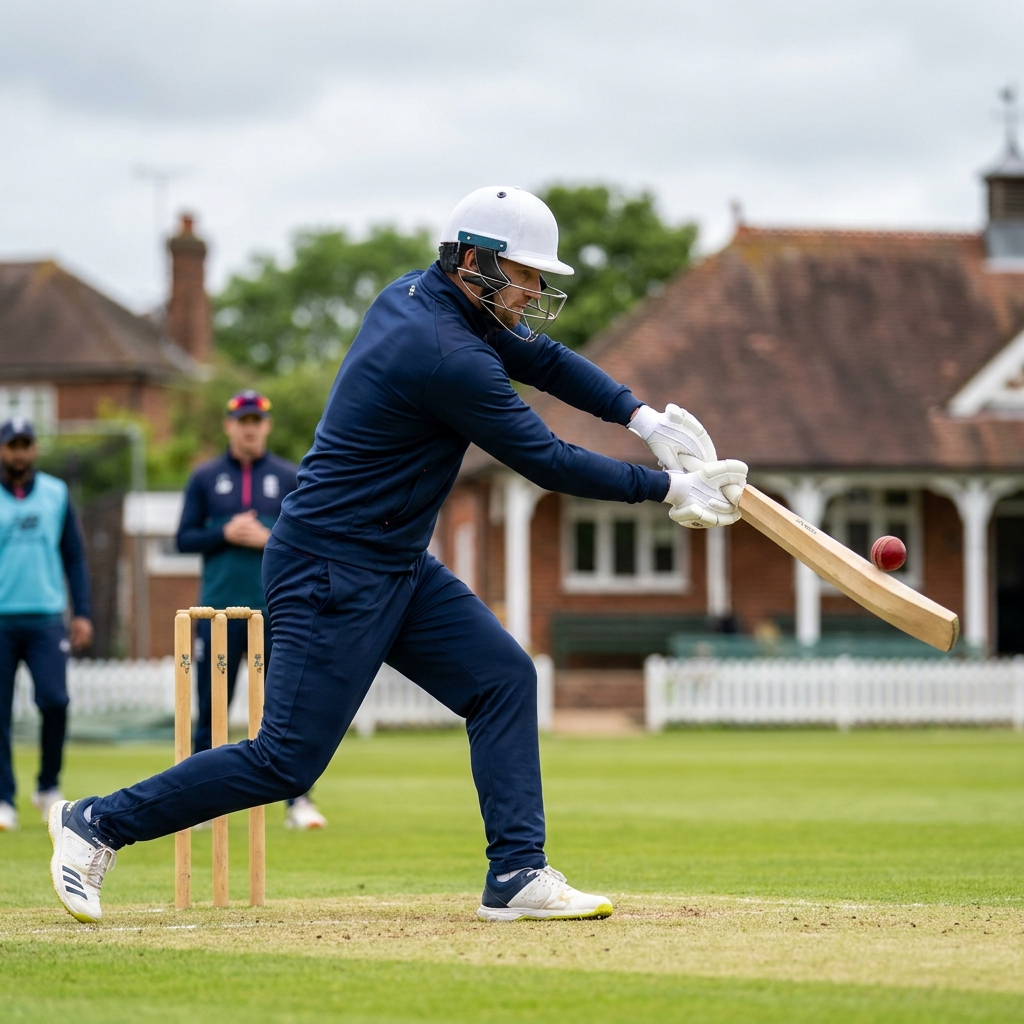
August is when seasons are decided, and most club games are lost chasing rather than setting. Give your batters a framework for the chase and you win the close ones.


Register for FREE and get coaching tips, top drills, session and more every week!