Required 11 or more players. 4 fielders at Mid Wicket, 4 fielders at Cover, Wicket keeper at the wicket. Two batsman in full kit with bat at either end of the pitch.
1) Coach hits the ball on the ground to Mid On.
2) Batsman starts running for a single crossing and getting to the popping creese as fast as possible sliding in the bat as they are comming in.
3) Feelder at Midwicket recovers the ball and throws at the stumps trying to get the batsman out.
4) After the ball passes the wicket the batsman sets off for a second run.
5) Fielder at Cover Backs up and stops the ball. Fielder then returns the ball to the Wicket keeper, trying to run the batsman out befor he can get in.
Fielder at Midwicket then falls in behind fielder at Cover and Cover fielder runs around the wicket keeper to Midwicket.
This is repeated untill fielders have rotated twice, then change the batsman and start over.
Every successful run taken is a point and every out is minus 1 point for the batsman. Batting pair with the most runs at the end wins.
Good for:
Running between wickets.
Use pick up, turn throw thechnique for midwicket fielder.
Use long barrier technique for Cover fielder
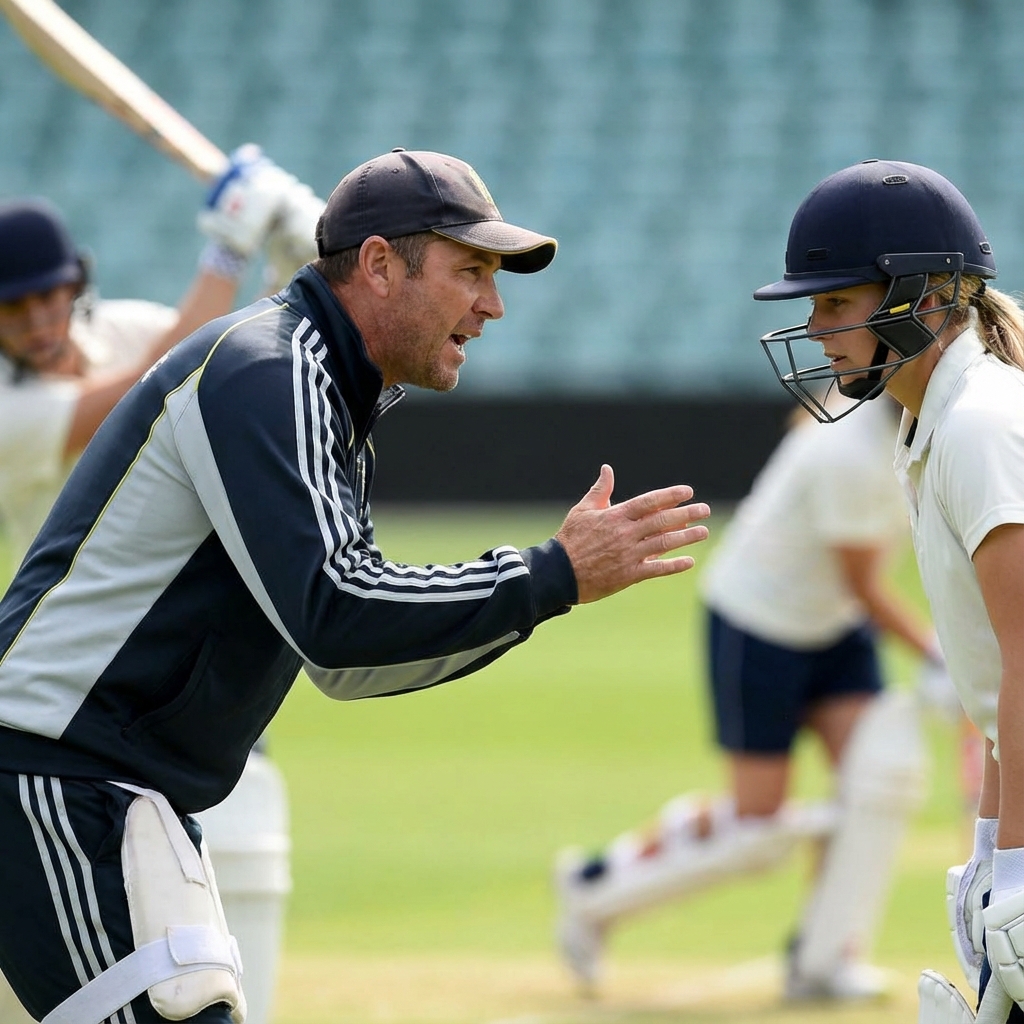
Game-based training and match simulation prepare players for real competition more effectively than isolated drills. Modern coaching integrates pressure scenarios, decision-making, and competitive situations into every training session.

Catches win matches remains cricket's truest saying. From high balls under lights to sharp slip catches, the ability to hold chances consistently separates winning teams from those that let matches slip away.
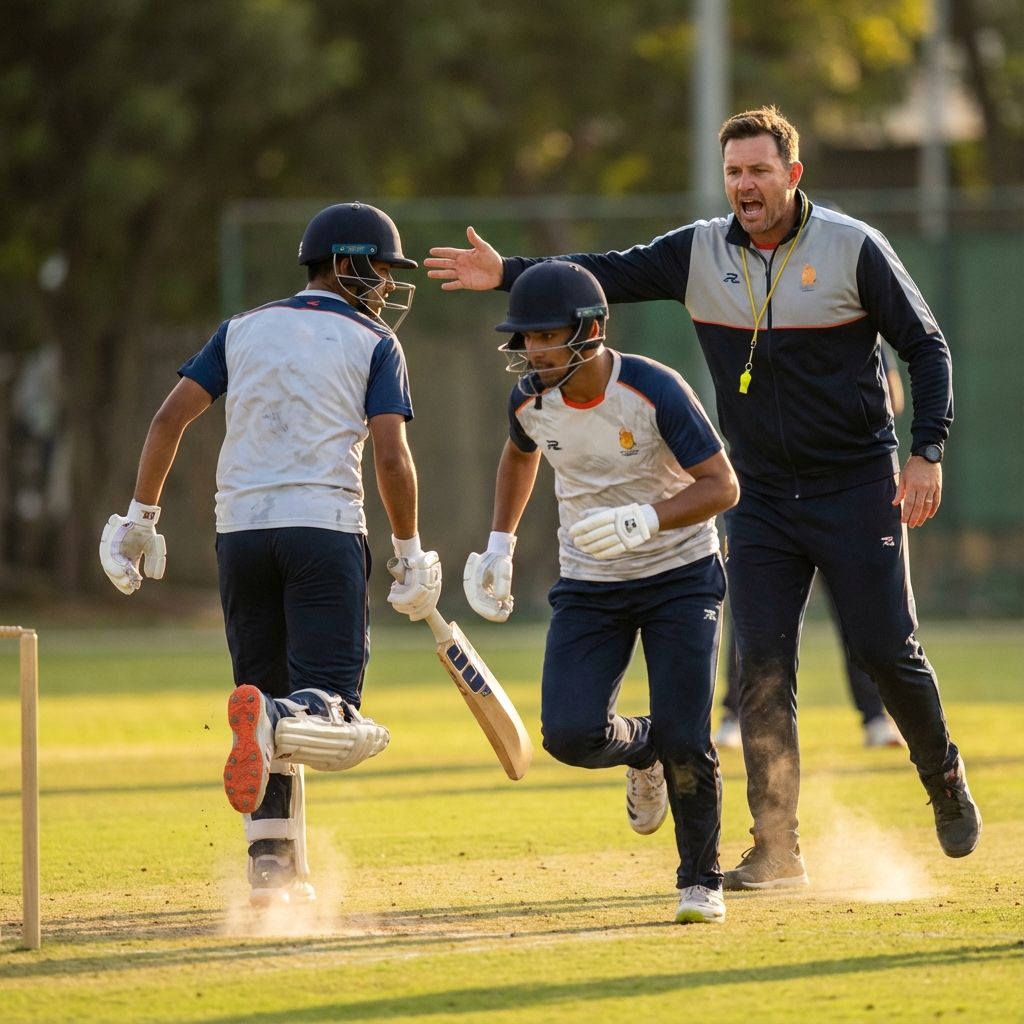
Elite running between wickets adds significant runs without risk. Quick singles, converted twos, and intelligent strike rotation separate the best batting partnerships from average ones across all formats.


Register for FREE and get coaching tips, top drills, session and more every week!