<p>1. Player is on their knees on a gym mat</p><p>2. Lob tennis ball in three positions</p><p>- in front so the oplayer has to dive forward. Players tries to catch and tuck up and land on back of catching shoulder</p><p>- to side so the player has to slide onto triceps to prevent impact on elbow</p><p>- behind - so player has to roll and tuck non-catching arm into side to help rotate body and land on opposite scapula/back of shoulder</p>
<ul><li>Commit to the dive 100%</li><li>Try to avoid contact with the elbow by using one of the three techniques for diving</li><li>Watch ball and keep eyes level</li></ul>

The new Laws of Cricket are in force from 1 October 2026 and the 'bunny hop' boundary catch is gone. Here is how to coach your fielders to catch on the rope this winter.

The covers are on and the last tea has been served. What your club does between now and April decides how the next season starts. Here is a simple, honest winter plan for players, bowlers and juniors.
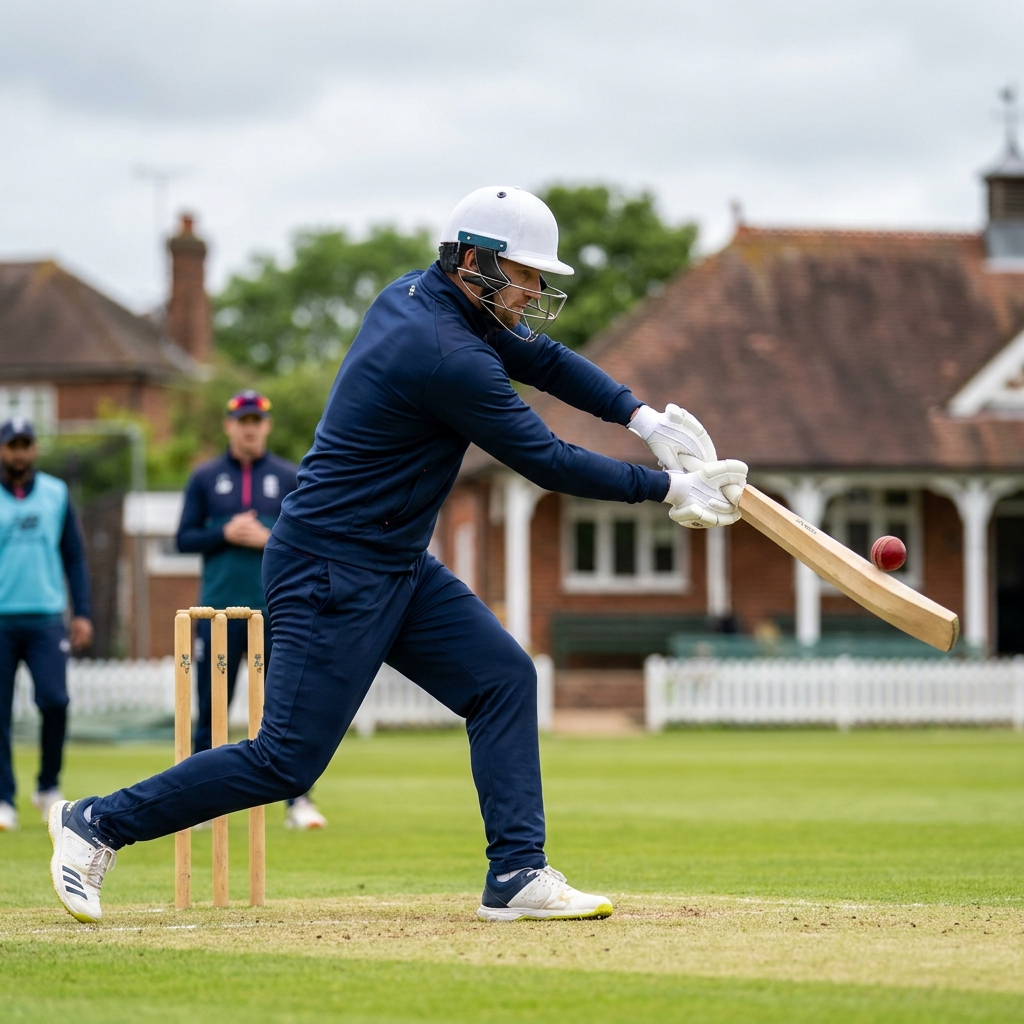
August is when seasons are decided, and most club games are lost chasing rather than setting. Give your batters a framework for the chase and you win the close ones.


Register for FREE and get coaching tips, top drills, session and more every week!