Set out feild as show. position fielders between red and green cones.
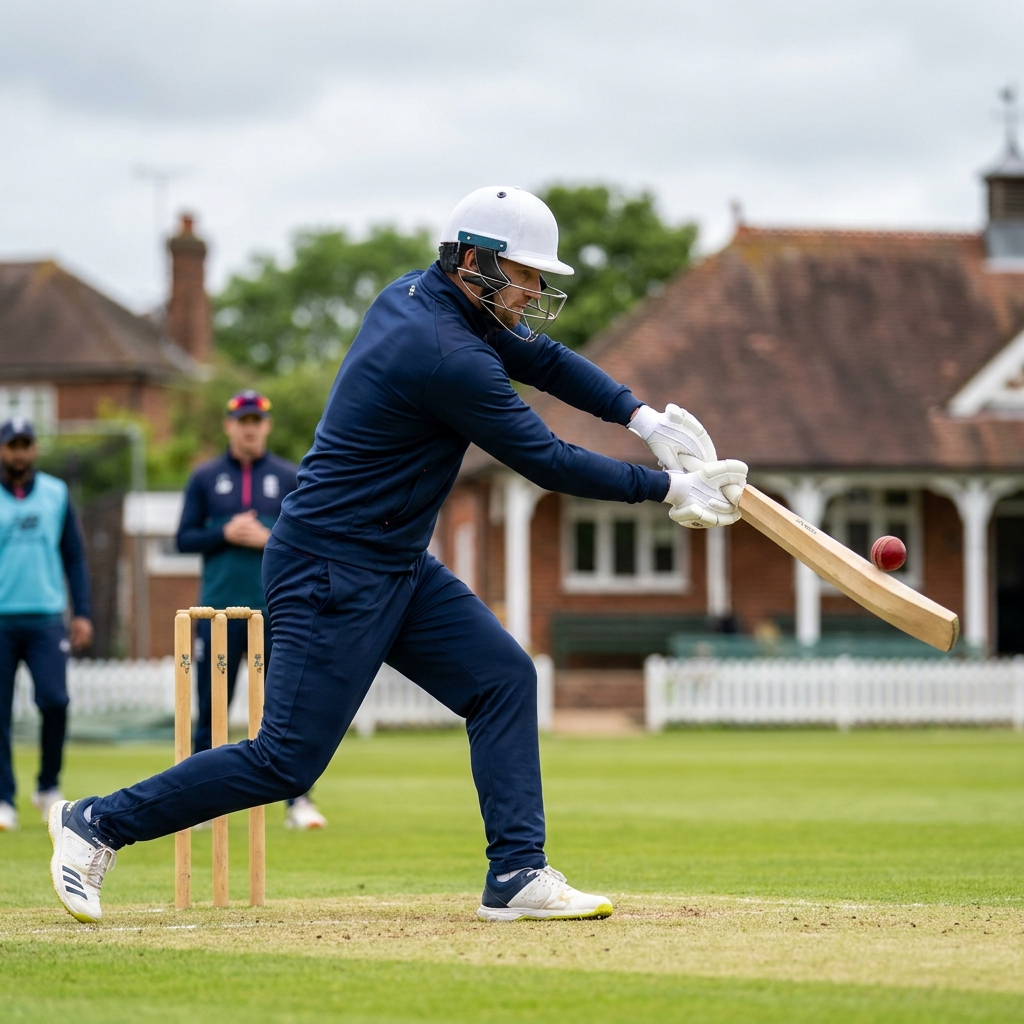
Feeder holds ball with arm outstratched and drops the ball for batsman to strike. 1 point for hitting through the red cones, 2 for green and 3 for white (if focus is cover drive or on drive make that the highest score). With no fielders between white cones, fielders must work out how to cover this area as well as their own gate.
Fielders to collect ball and get it back to feeder. (can set up separate stump and have fielders get scores - deducted from batter - for acurate throw or using one bounce, etc).
Each batter has 6 balls and then rotate. Count scores to see who gets top score.
Progressions.
1. Feeder moves two steps up the pitch (away from batter) so that batter has to come out of the crease to strike the ball.
2. Feeder moves to position b and can either throw underarm or start bowling (depending on skill level).
2. Get batters to hit all shots in the air. Scores are doubled for getting ball through the gate without a bounce. Catches = -10. Stops -2

The new Laws of Cricket are in force from 1 October 2026 and the 'bunny hop' boundary catch is gone. Here is how to coach your fielders to catch on the rope this winter.

The covers are on and the last tea has been served. What your club does between now and April decides how the next season starts. Here is a simple, honest winter plan for players, bowlers and juniors.
August is when seasons are decided, and most club games are lost chasing rather than setting. Give your batters a framework for the chase and you win the close ones.


Register for FREE and get coaching tips, top drills, session and more every week!