A Coach / Batsman sets up at the crease with fielders in the following positions
The ball is hit in the air 'through' the infield between gully and cover. The aim of the drill is to either catch the ball or stop the ball getting thruogh the infield.
Players should be walking in just before the feed.
Coaching Points for Low / Cover Catches –
For Cover catching it is important to ‘walk into the catch’ you do this by taking 4 – 5 paces then getting into a ‘set position’ – A good way to do this is to ‘jump’ a little and use the momentum of the jump make sure that you can spring left or right.
Coaching Points for High Catches –
Coaching Points for Throwing Overarm and underarm –
We are only focusing on the throwing action in this section rather than the collection of the ball prior to the throw.
Coaching Points for Picking the Ball Up –
There are 3 different types of ball pick up in cricket: One Handed, Two Handed and Long Barrier.
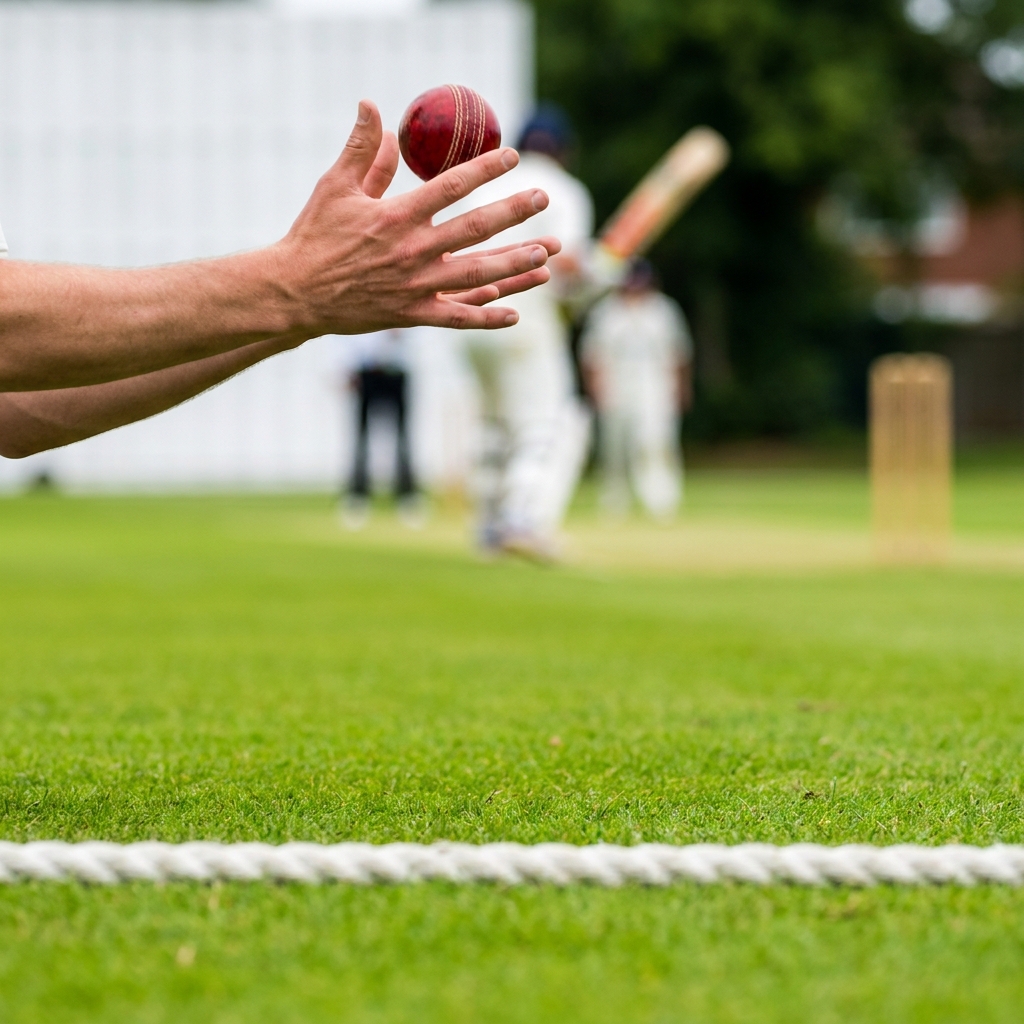
The new Laws of Cricket are in force from 1 October 2026 and the 'bunny hop' boundary catch is gone. Here is how to coach your fielders to catch on the rope this winter.

The covers are on and the last tea has been served. What your club does between now and April decides how the next season starts. Here is a simple, honest winter plan for players, bowlers and juniors.
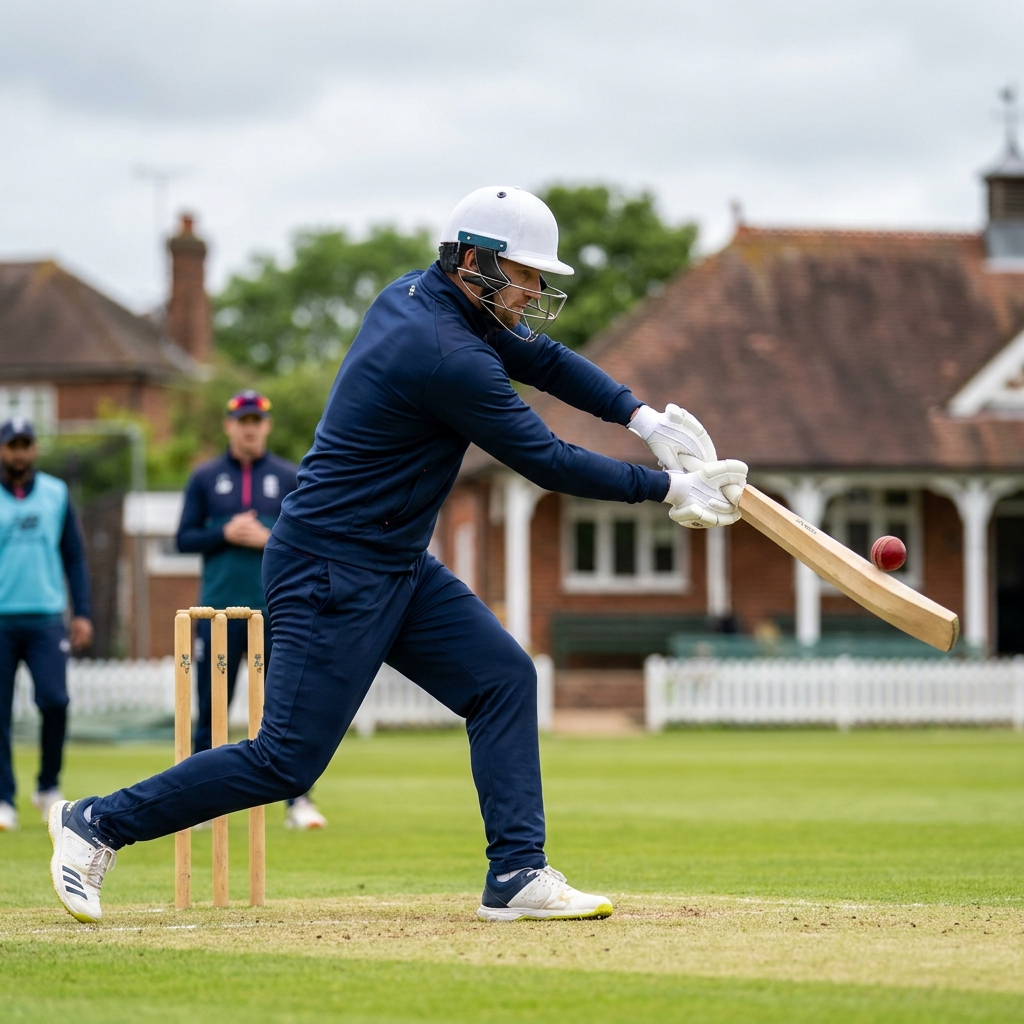
August is when seasons are decided, and most club games are lost chasing rather than setting. Give your batters a framework for the chase and you win the close ones.


Register for FREE and get coaching tips, top drills, session and more every week!