1st red player throws the ball at the stumps. This is backed up by teh first blue player. Blue player collects the ball and runs to the back of the red end and returns the ball to the front of the line.
Meanwhile teh red throwing player follows the throw down and joins the back of the blue end.
2nd blue player runs up into position to back up the next red throw.
underarm throws for junior age groups progressing to over arm throws for older players.
ensure player backing up are balanced and on the balls of their feet to ensure quick agile movement.
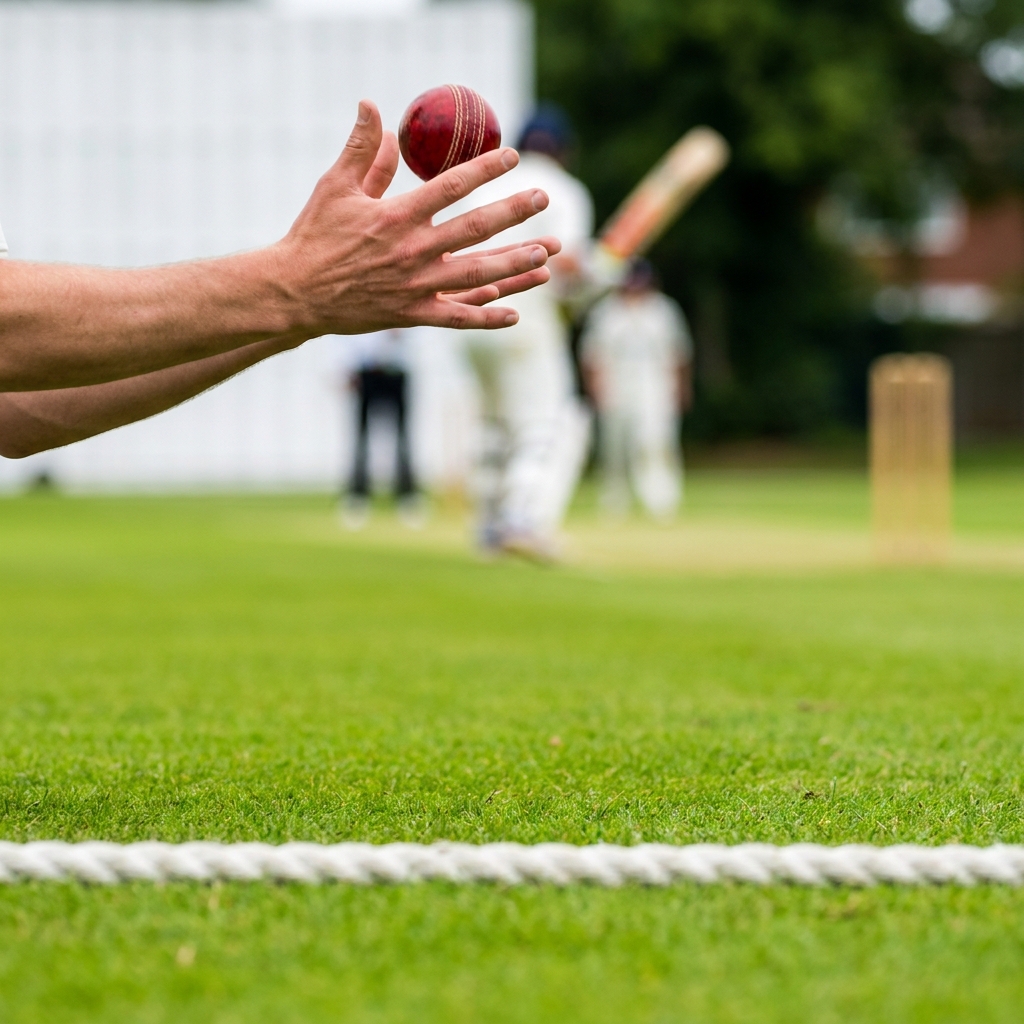
The new Laws of Cricket are in force from 1 October 2026 and the 'bunny hop' boundary catch is gone. Here is how to coach your fielders to catch on the rope this winter.

The covers are on and the last tea has been served. What your club does between now and April decides how the next season starts. Here is a simple, honest winter plan for players, bowlers and juniors.
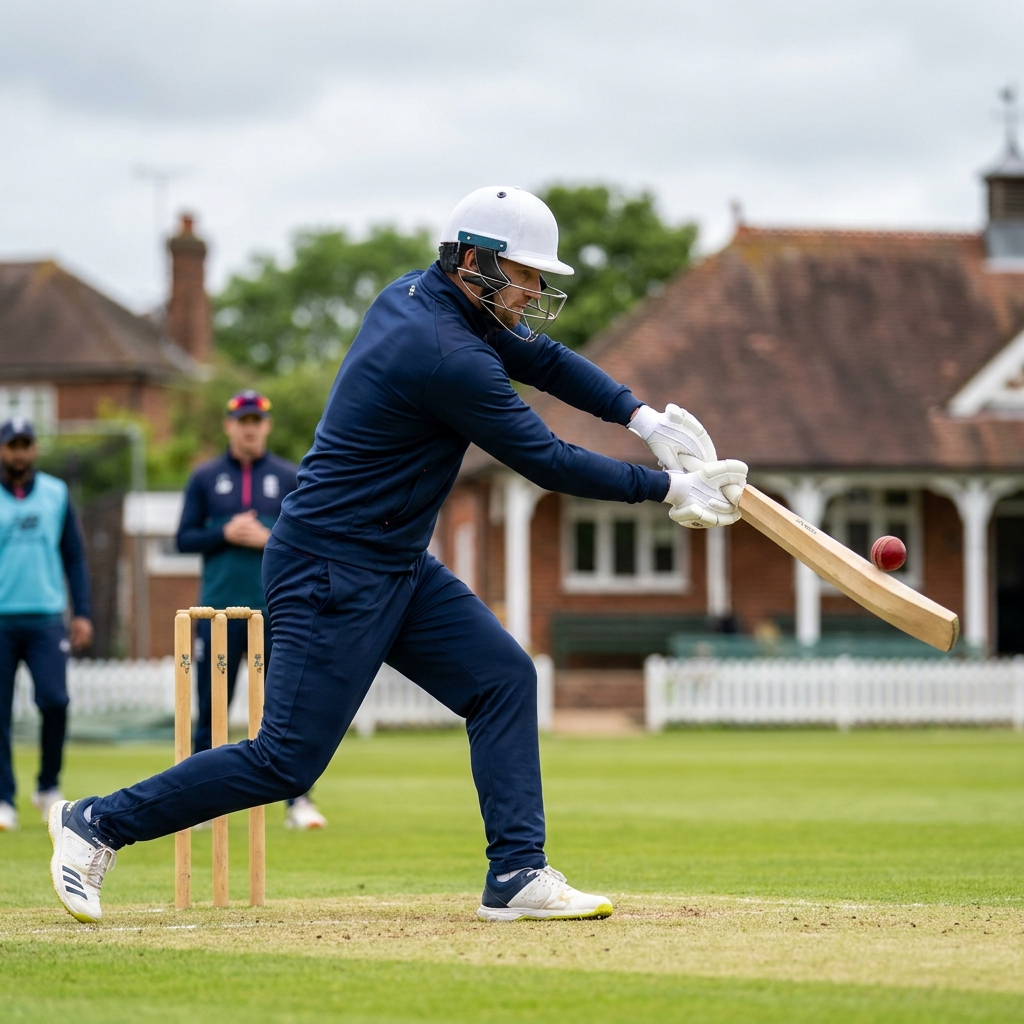
August is when seasons are decided, and most club games are lost chasing rather than setting. Give your batters a framework for the chase and you win the close ones.


Register for FREE and get coaching tips, top drills, session and more every week!