Players will begin warm up, by doing some footwork drills, we do this because they getting there feet moving in different directions quickly which is what a Wicket Keeper needs, so they are getting Wicket Keeping practice even in warm up.
They will begin by sidestepping right to let touching each of the individual cones, then when they have finished the cones, they have a short jog to the ladder and have some more footwork drills to complete.
They will then go through this station a few times but with different variations which will be explained to them before so they know what to do.

The new Laws of Cricket are in force from 1 October 2026 and the 'bunny hop' boundary catch is gone. Here is how to coach your fielders to catch on the rope this winter.

The covers are on and the last tea has been served. What your club does between now and April decides how the next season starts. Here is a simple, honest winter plan for players, bowlers and juniors.
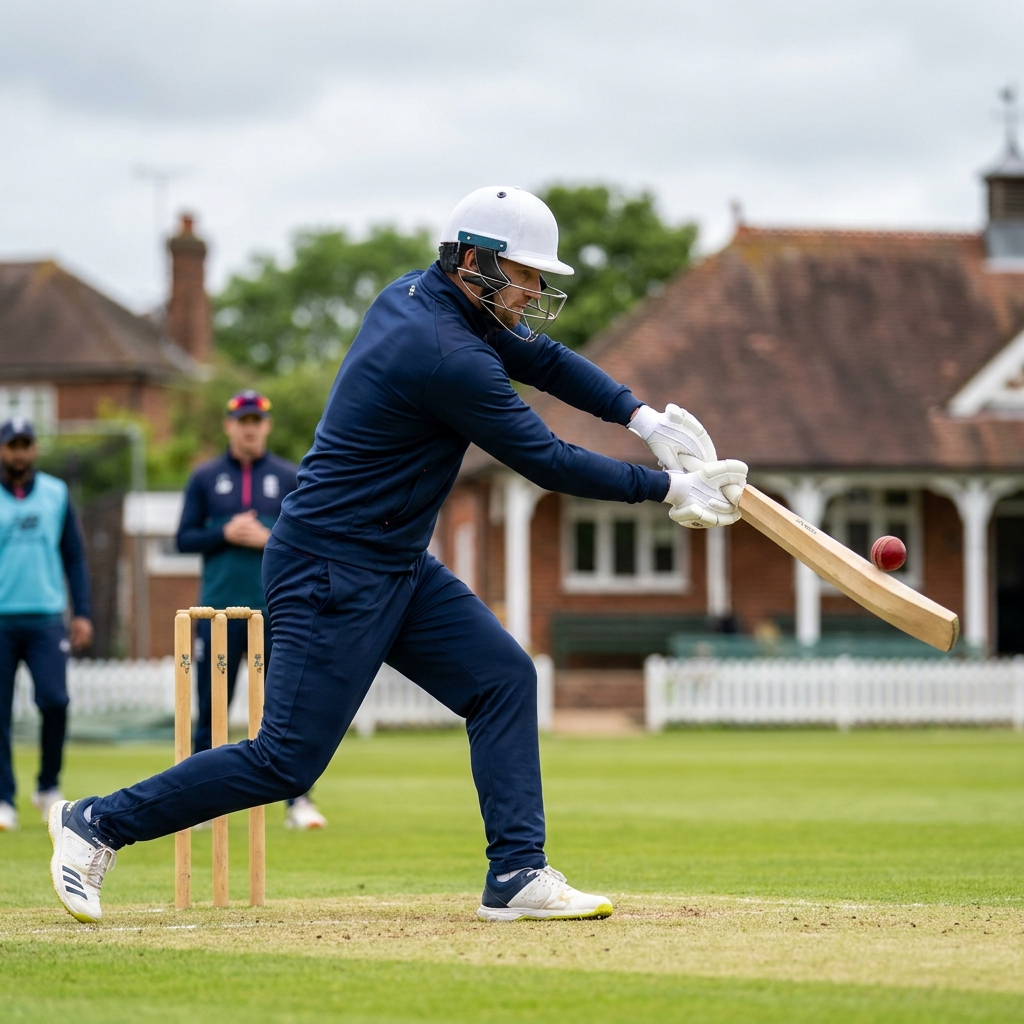
August is when seasons are decided, and most club games are lost chasing rather than setting. Give your batters a framework for the chase and you win the close ones.


Register for FREE and get coaching tips, top drills, session and more every week!