2 teams of approx. 5 players with each team recieveing 2 innings of 10 minutes each.
Bowler bowls underarm and batter has to aim to retrieve one run by driving the ball through a gate of cones. (this gate can be placed dependant on the batting drills you have just practise or multiply gates can be added to allow the batters to practise a range of drives)
if the ball is batted between a gate of cones then teh batting recieve 1 run, If the batter wishes to increase this number they can get an extra run for running to line 1 and back to the wicket or collect an extra 2 runs by running to line 2.
Each batter faces 6 balls unless they are caught out either by a ball being caught before it bounces, the batter being bowled out or the wicket is hit while they are making a run.
A boundary line can be added to allow an extra 4 runs to be collected by the batting team.
Ensure correct technique is practised and allow all the players to reciueve a fair chance in each position. This can be maintained by rotating the feilders for each batter that steps on the field.
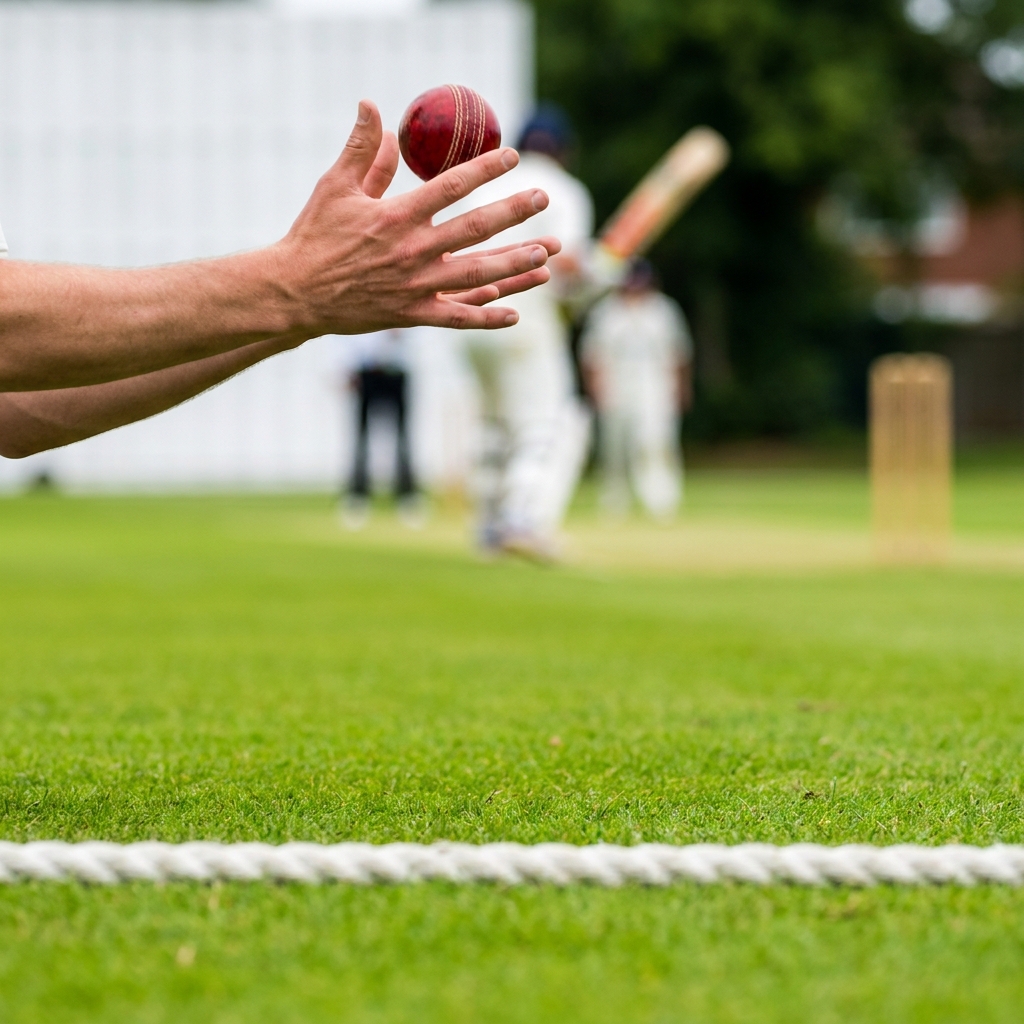
The new Laws of Cricket are in force from 1 October 2026 and the 'bunny hop' boundary catch is gone. Here is how to coach your fielders to catch on the rope this winter.

The covers are on and the last tea has been served. What your club does between now and April decides how the next season starts. Here is a simple, honest winter plan for players, bowlers and juniors.
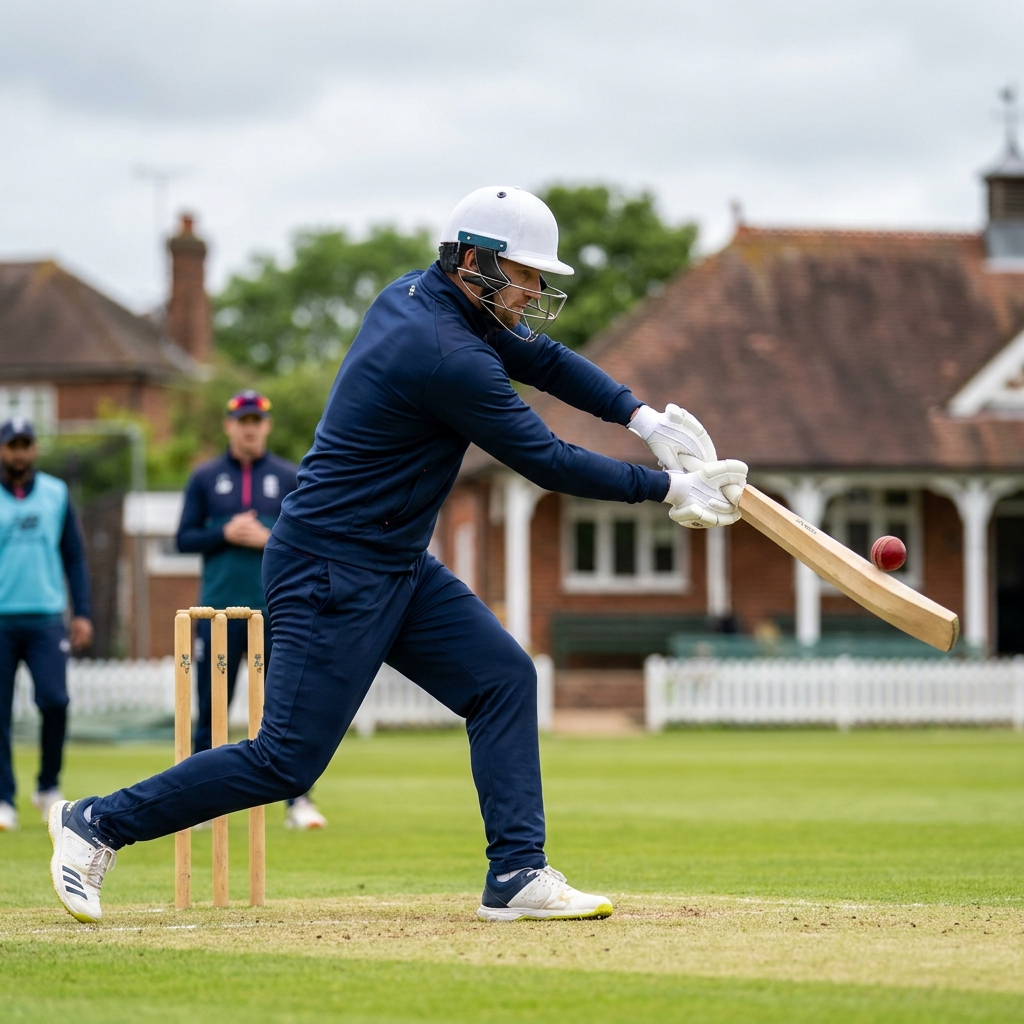
August is when seasons are decided, and most club games are lost chasing rather than setting. Give your batters a framework for the chase and you win the close ones.


Register for FREE and get coaching tips, top drills, session and more every week!