Set up the field as shown (the distance between markers will vary depending on ability). A batter will hit the ball off a tee or cone and run forwards toward the lines of cones. Batters will be awarded points for which line the can successfully run back and forth from before the fielding team has collected the ball and sat down in a straight line. When working with little kids always award points even if they didn't make it. For example if they run to the 20 point line but only make it back to the 10 point line you might give the player 10 points or so.
After every player in the team has batted the teams swap over and the next innings begins.

The new Laws of Cricket are in force from 1 October 2026 and the 'bunny hop' boundary catch is gone. Here is how to coach your fielders to catch on the rope this winter.

The covers are on and the last tea has been served. What your club does between now and April decides how the next season starts. Here is a simple, honest winter plan for players, bowlers and juniors.
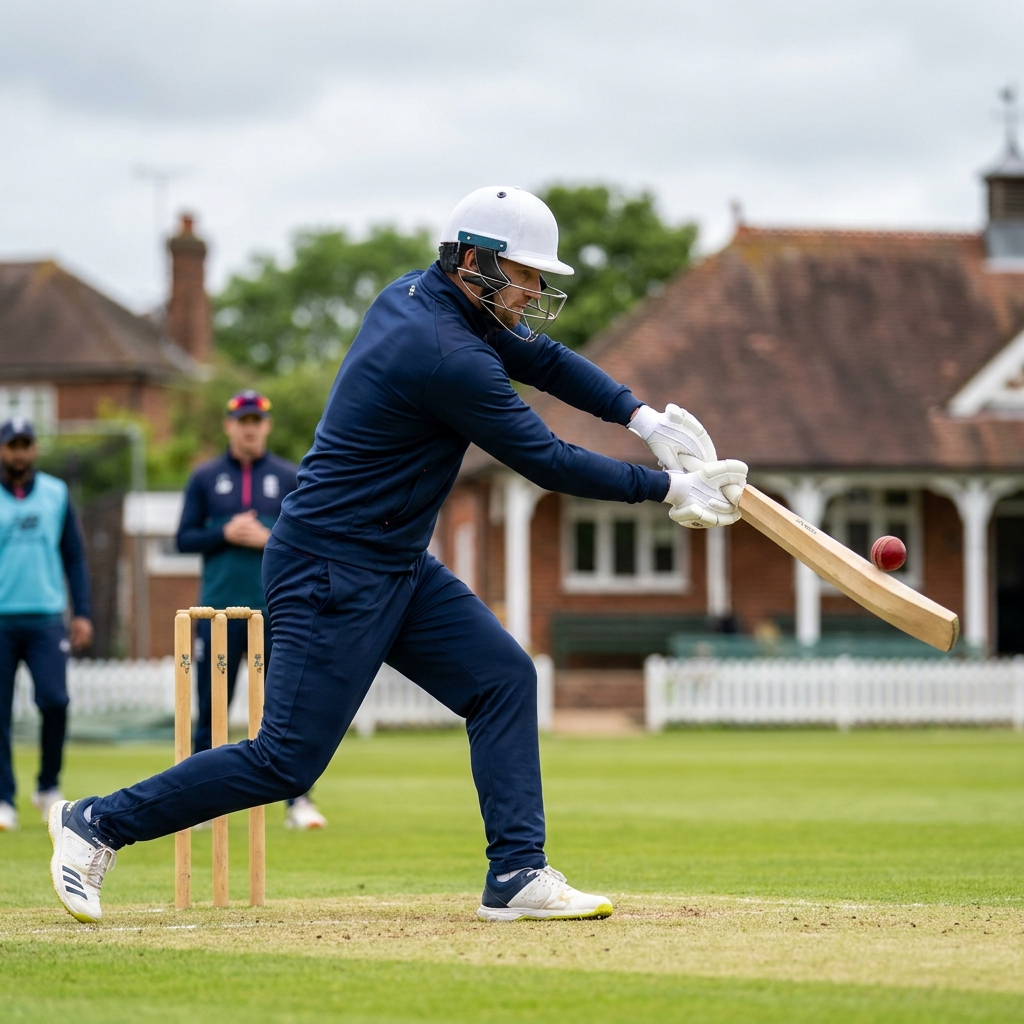
August is when seasons are decided, and most club games are lost chasing rather than setting. Give your batters a framework for the chase and you win the close ones.


Register for FREE and get coaching tips, top drills, session and more every week!