Looking to give players the chance to try different shots. This session will be used a shot circuit.
Each section will have a WK, Batsmen, Fielder and a feeder.
Coaches will cast an eye over two sections each.
Each batsmen will have 5 feeds (balls) each. This will allow players to have a go at each shot and keep none batsmen active.
Players will rotate clockwise.
Feeds shall be bobble feeds. if the batsmen are struggling with this then bobble feeds shall change to drop feeds.
Batsmens will start in their normal batting set up, if the batsmen is struggling then they will be told to adopt the finished position. Therefore they are already in the hitting position.
4 different skill sets in each quarter of the sports hall.
Explain why you would play the shot.

The new Laws of Cricket are in force from 1 October 2026 and the 'bunny hop' boundary catch is gone. Here is how to coach your fielders to catch on the rope this winter.

The covers are on and the last tea has been served. What your club does between now and April decides how the next season starts. Here is a simple, honest winter plan for players, bowlers and juniors.
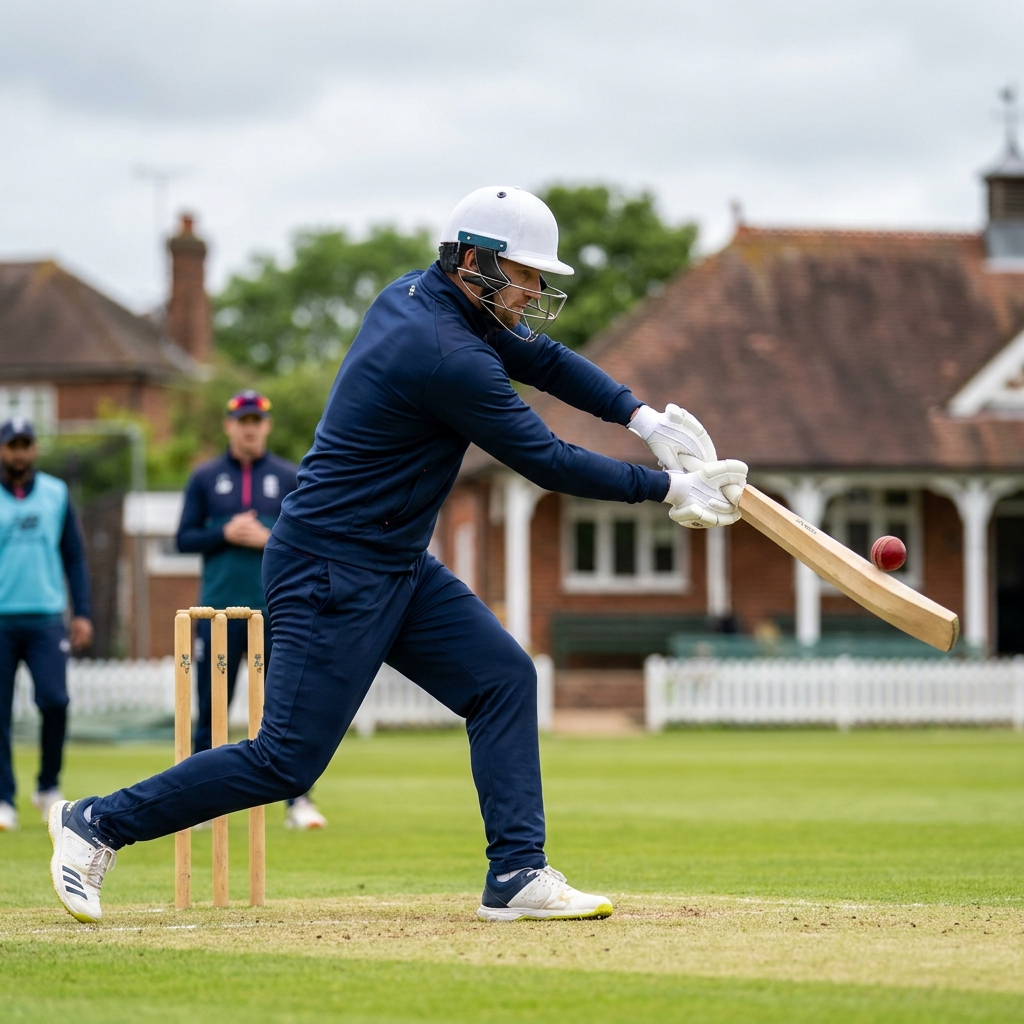
August is when seasons are decided, and most club games are lost chasing rather than setting. Give your batters a framework for the chase and you win the close ones.


Register for FREE and get coaching tips, top drills, session and more every week!