How to Bowl in Cricket. First step to understand the basics to hold the ball. Walk towards bowling crease. In this video you will learn the bowling
action.
The four key steps are the grip the approach the delivery stride and the
follow-through hold the ball with the seam upright place the index finger on
one side and the middle finger on the other the thumb should grip the middle
of the seam from beneath the ring and little fingers should be folded onto the
palm to begin with simply hold the ball and walk towards the bowling crease
about three feet from the stumps start into a leaping motion by lifting up the
leg on the side of your non bowling arm with its knee and foot pointed straight
ahead position your bowling hand between your eye and the target and raise your
non bowling arm further up in the air plant your back foot on the crease and
swing your non bowling arm down as you move your weight smoothly forward onto a stiff front leg extend your bowling arm and swing it in an arc behind into over
your shoulder to release the ball from its highest point lean forward and swing
your bowling arm across your body and pass the opposite waist
a common mistake for beginners is to land on the same foot that they left
from walk towards the stumps and keep practicing the leap delivery and the
follow through enjoy your game
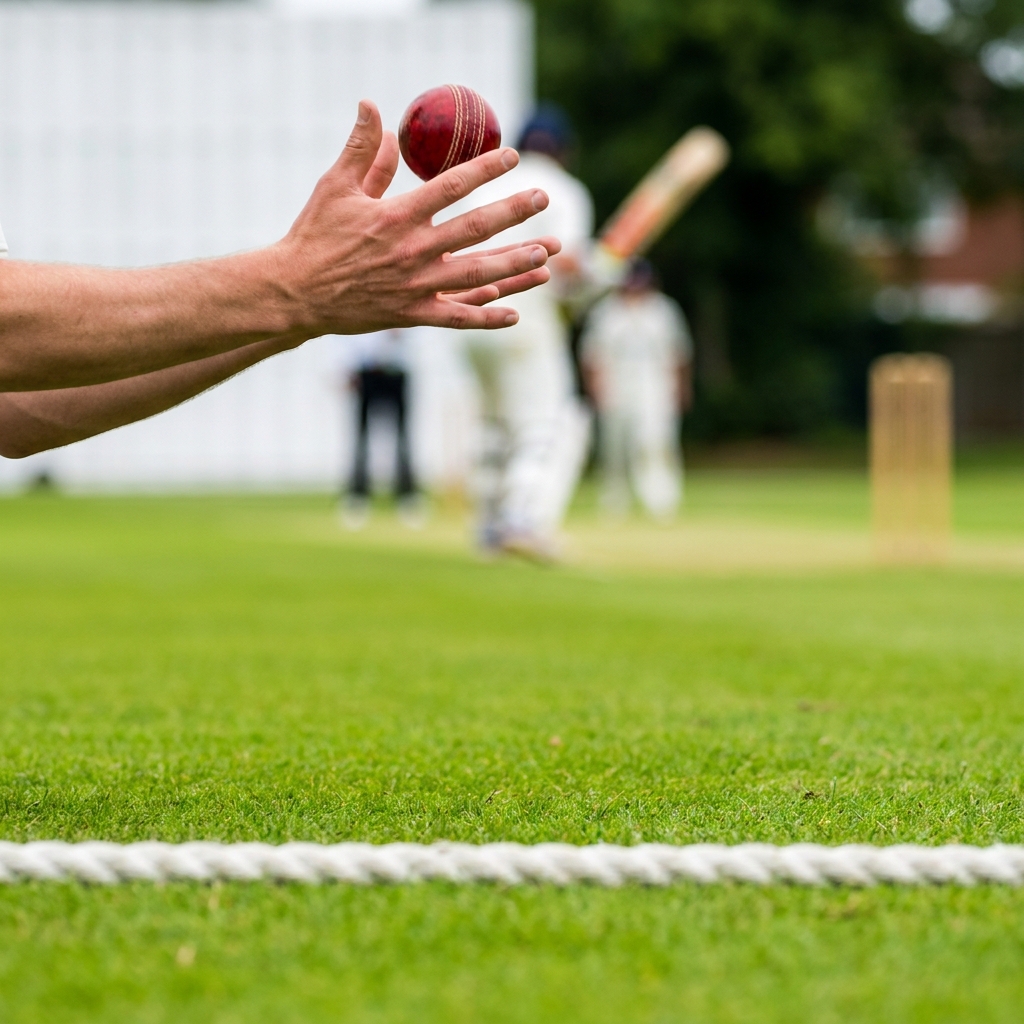
The new Laws of Cricket are in force from 1 October 2026 and the 'bunny hop' boundary catch is gone. Here is how to coach your fielders to catch on the rope this winter.

The covers are on and the last tea has been served. What your club does between now and April decides how the next season starts. Here is a simple, honest winter plan for players, bowlers and juniors.
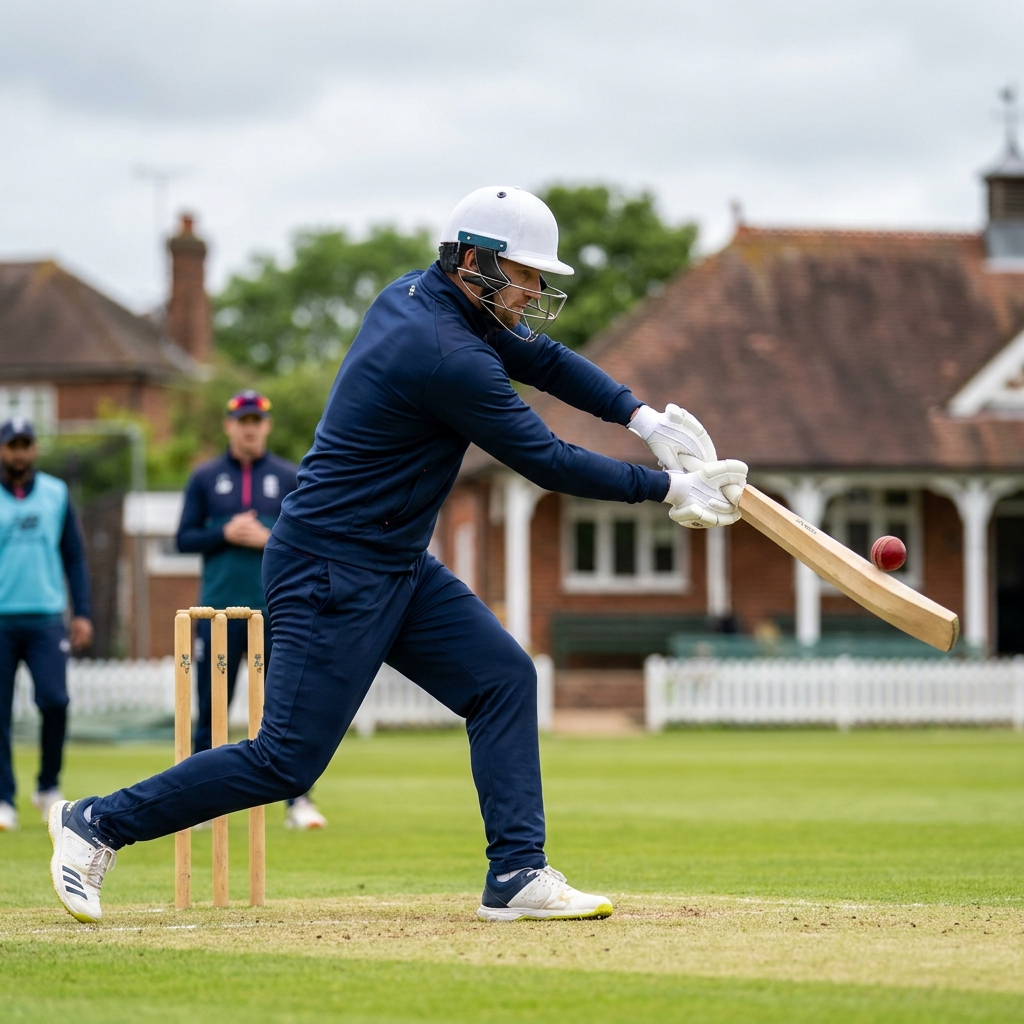
August is when seasons are decided, and most club games are lost chasing rather than setting. Give your batters a framework for the chase and you win the close ones.


Register for FREE and get coaching tips, top drills, session and more every week!