TRANSFORM YOUR TEAM'S SEASON WITH PROFESSIONALLY PLANNED SESSIONS
Use our expert plans or build your own using our library of over 700+ drills, and easy-to-use tools.
JOIN NOWQuick answer
Play a slower footballer where reading the game matters more than pace: centre-back in a deep line, holding midfield, target striker or goalkeeper. Choose by what they do well, such as tackling, passing or organising, not by speed alone, and keep rotating younger players so they learn every position.
Next to a strong, talkative teammate, in a position with one clear job: often full-back or wide midfield in 7v7 and 9v9, where play comes from one side. In mini-soccer, rotate everyone so no child is stuck in one spot.
Usually centre-back. Centre-backs cover less ground than midfielders and full-backs, so it suits a player with good positioning and timing who lacks pace, as long as your team doesn't play a high defensive line.
For most players, central midfield: it needs fitness, scanning, passing under pressure and defending. Goalkeeper is the hardest mentally. Neither is a good place to hide a player who is struggling.
No position is easy, but some ask less of a player's pace. A disciplined holding role, a target striker or a centre-back beside a quicker partner can suit a slower player who reads the game well.
Work on the first two steps and on reacting earlier. Short sprints of 5 to 10 metres, quick-feet ladders and games that reward scanning make players quicker when it matters, and young players speed up as they grow stronger.
Running the club as well as coaching? Teamo, from the makers of Sportplan, keeps availability, subs and team news in one club app. Find out more about Teamo.
Below: the original question and answers from coaches in the Sportplan community.
where on the field can I play a slow player

Hi Tom
This is a hard question to answer. I would tend to play a slower player up front and have some of your quicker/better players play around them for support.
Hope this helps!!!
In goal is usually the answer but perhaps the player doesn't feel like being in goal. Like Dave said, it sometimes works to post a slow player up front as a target man but involving him in such a role means you'll rarely see him in front of goal. After all, he'd be too slow to catch up.
Is he good on the ball? If so, perhaps you could position him in midfield instead. Slower players sometimes have a knack of being in the right spot at the right time. Ronald Koeman was probably the slowest defender I have ever seen but his positioning was exceptional.
In other words, look at his compensating skills. Carles Puyol is very small for a centre-back but has the best timing in the game. If your player is good on the ball, midfield might work. If he's good at positioning, centre back might work (especially, if your team is in possession more than the opposition). Good luck!
Hi Tom, this is David from SoccerHelp. As Remco said, a slow player can be a good Goalkeeper if he or she has good hands, decent movement in the goal and can clear the ball on punts, and a slow player who is skillful and brave and who positions well can be good a Center Mid. A slow player can also be a good fullback if he is brave (not scared of the ball or of contact) and IF you don't Push Up your Fullbacks when you attack (if you Push Up a slow Fullback against a team that has a fast attack you will give up a lot of goals). In Recreational soccer I think the best place for a slow player who is also timid or unskilled is at left or right midfield or Goalkeeper (if he has good hands and decent movement in the goal). You must stay strong in the Center positions (between the goals such as Center Midfielder) but in Rec soccer you can give up the wings if you have to.
Hope this helps.
I have, in both competitive and rec. and with both boys and girls, had some success (such as it is) putting the slow player as the attacking mid. I tell them to just try dominate and win everything in the central circle and when we're on defense, don't go back farther than the circle so as to win balls comming out of the defense. And then in transition and the attack, to stay tied to the circle but not be afraid to leave it to get in position for a pass or to win the ball. I have the rest of the team play mostly up the sidelines and use the attacking mid for wall passes in transition.
I have also tried putting that player as one of the defensive mids/stoppers in a 3-5-2 formation with varying degrees of success. I have also tried forward. With two forwards it's tough to play the slow player there.
But if you run say, a 4-3-3. you could try the slow player at the central forward. That tempts the other team's central defenders to leave the middle to support the sides and the slow player can potentially get open for a shot before the backside defender slides over. In that case, perhaps you also create isolation on the backside wing or wing forward with central or covering outside defenders wasted on the "slow" player. When you think about it, it's almost the same as putting that player at attacking mid.
I have also made them run the wing. If their conditioning is not good, I have them concentrate on the offensive or defensive portion of the wing position, not both. I encourage them to try and dominate at just that part and perhaps over time and practice, their conditioning and speed will allow them to play well doing both aspects of the wing position. I have to make other assignments in the formation to compensate of course.
I actually have seen some of the slowest and worst players at u10 or u12 become some of the greatest by high school. I don't mind taking one or two such players competitively IF their attitude is really good and they realize game time is limited until they blossom.
in more ways than one
 sportplan_football

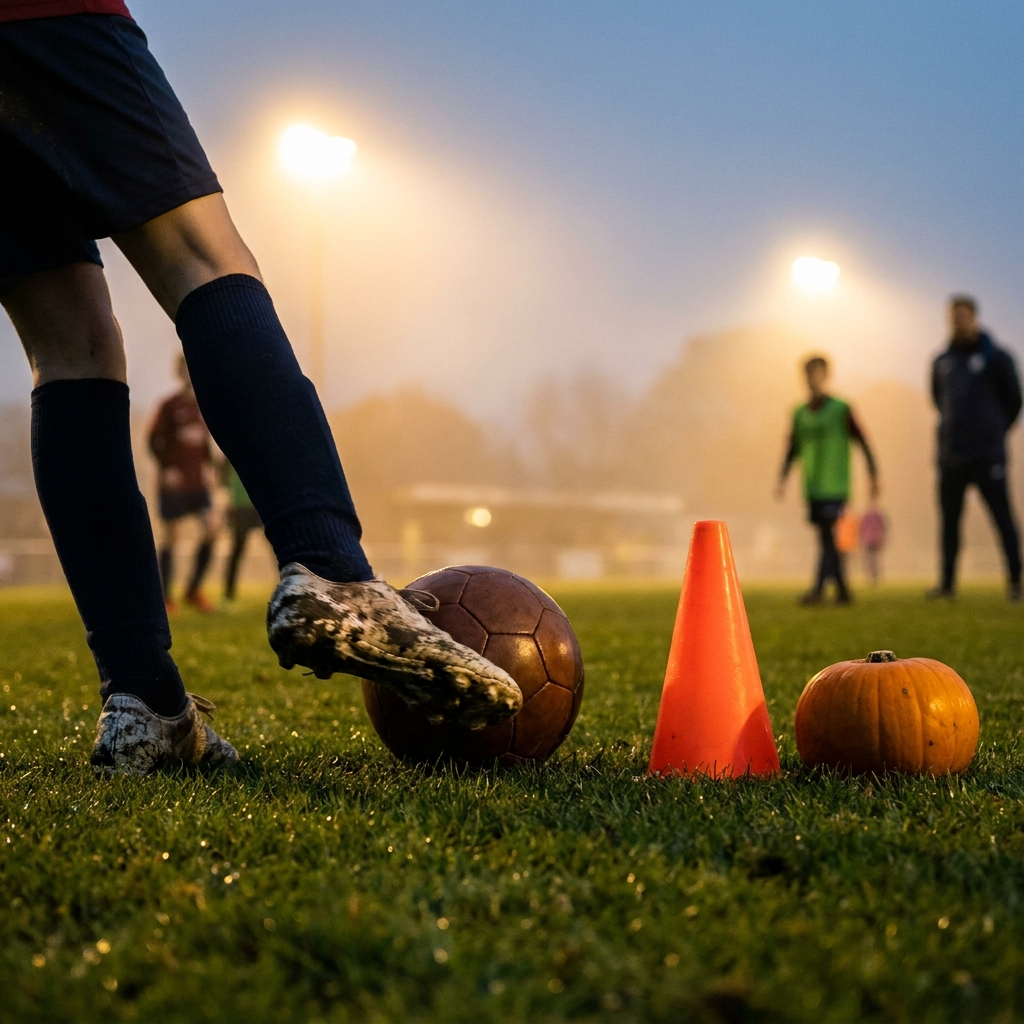
Four Halloween-themed games sneak a full warm-up, finishing, rondo and small-sided game into one junior football session this week.
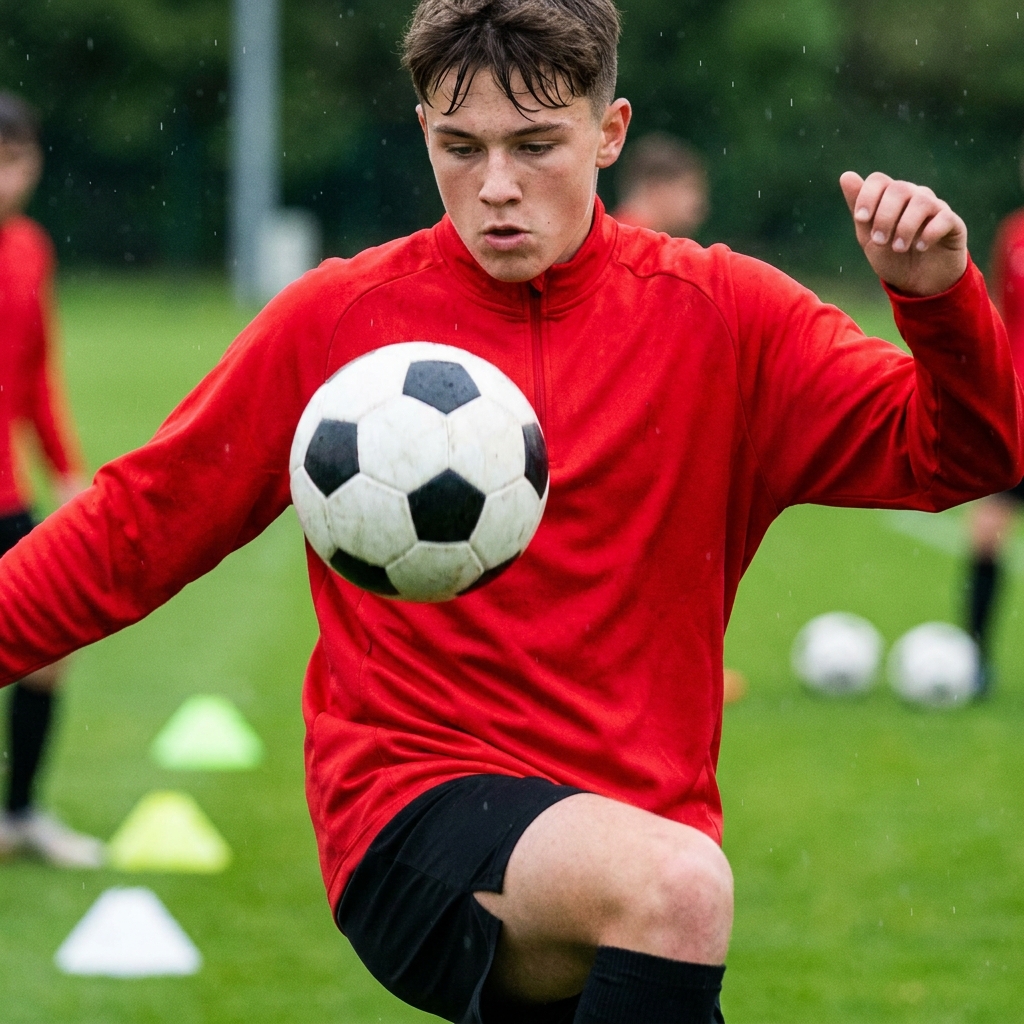
Deliberate heading is now out of U11 grassroots matches. Here is how to coach chest, thigh and foot control so your players still win the ball in the air.
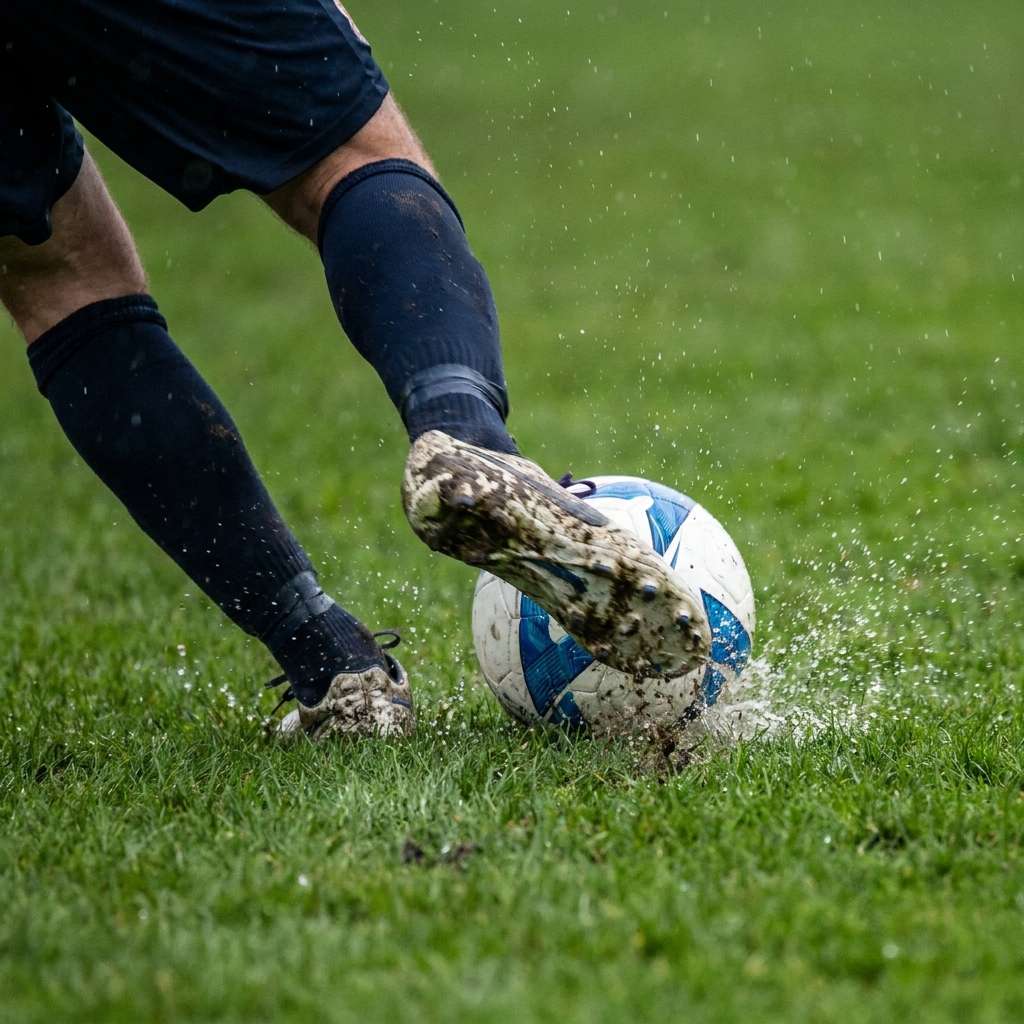
Long-range goals doubled at the 2026 World Cup as teams sat deep. Here is how to coach when to shoot from distance, the technique, and the follow-up.
Use our expert plans or build your own using our library of over 700+ drills, and easy-to-use tools.
JOIN NOW