First, Decide What You Are Actually Running
Rounders is one of the easiest team sports in the country to start. The kit is cheap, the rules are familiar, almost anyone can join in, and on a warm evening it sells itself. But before you buy a single bat, it helps to be honest about what you are setting up - because a school squad, a casual summer team and a community club each need slightly different things from you.
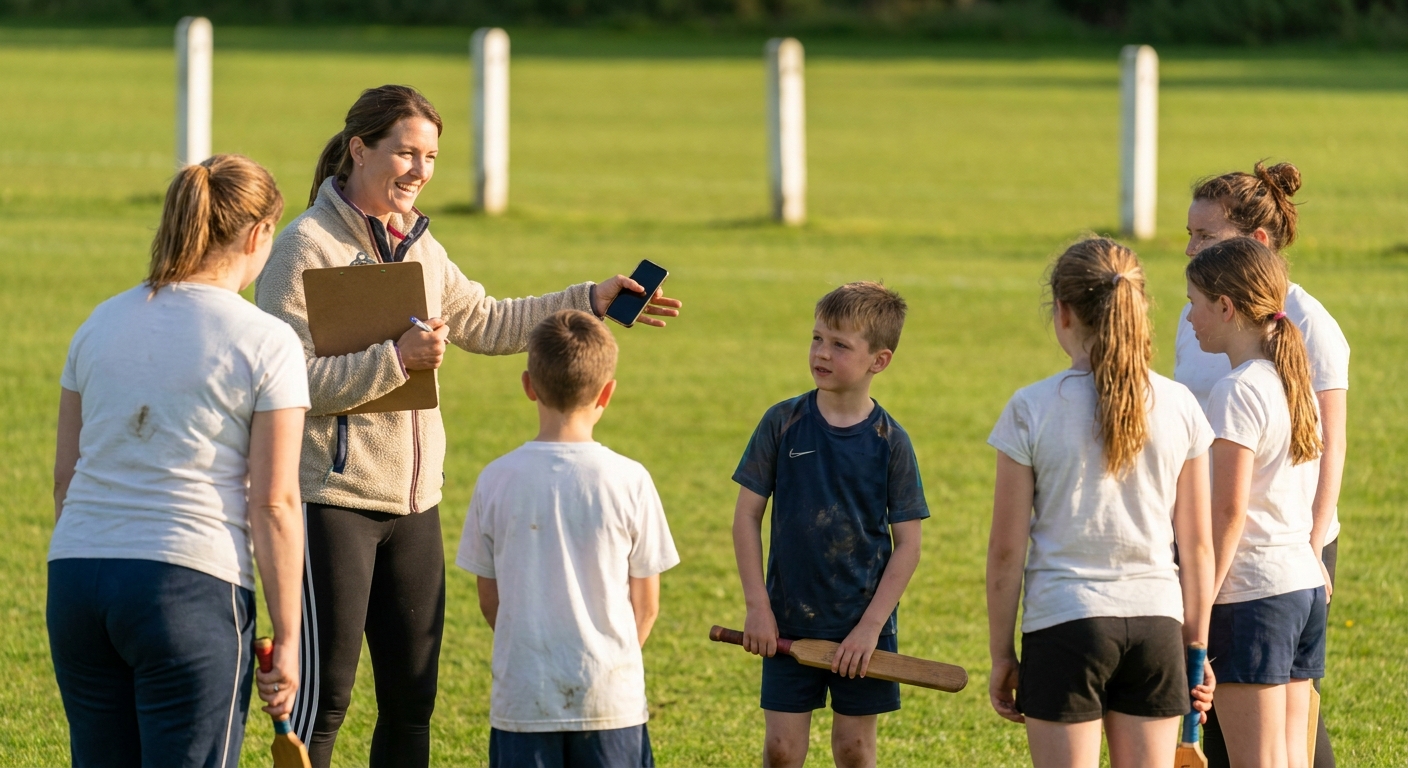
A school squad is the simplest. You already have players, a field, a PE store with some kit, and a safeguarding framework around you. Your job is mostly to organise practices and fixtures. A casual or social team - a group of friends, a workplace side, a summer-league entry - needs almost no formal structure: a regular night, a patch of grass and a group chat will get you a long way. A community club that wants to grow, take on juniors, enter leagues and last beyond one summer is the one that benefits from proper foundations: affiliation, a committee, safeguarding and a way to handle money.
Knowing which of these you are running tells you how much admin to take on. Do not build a club when all you need is a team - but do not run a junior community side on a casual basis either. This guide covers all three, so take what fits and leave the rest.
Getting Set Up: Membership, Helpers and Safeguarding
If you are a school, you are largely set up already. Get the nod from your head of PE, complete a risk assessment for the activity and the field, and you are good to run a squad. Inter-school fixtures usually run through your School Games Organiser and county association rather than any membership you have to take out yourself.
If you are a community team or club, the governing body is Rounders England, and affiliating a club brings real benefits: access to affiliated leagues and competitions, insurance, coach and official pathways, and safeguarding support. A casual single team playing friendlies does not strictly need to affiliate, but any club hoping to grow, enter a Rounders England league or take on juniors should. For a step-by-step walk through registration, roles and the paperwork, see our starting a rounders club checklist, which covers exactly what a new club needs to put in place.
However small you start, line up a couple of helpers early. Running sessions, sorting kit, organising fixtures and keeping in touch with parents is a lot for one person, and a team with two or three willing volunteers survives far longer than a team resting on one heroic organiser. Share the load from day one.
On safeguarding: if you are a teacher, your school DBS and safeguarding training already cover you. If you are a volunteer coaching juniors in a community setting, anyone in regulated contact with under-18s should hold an enhanced DBS check and basic safeguarding training, and the club should appoint a welfare officer. An affiliated Rounders England club can process DBS checks for you. For a purely adult social team, there is no DBS requirement - but the moment children are involved, treat it seriously.
Kit: Cheaper Than You Think
Here is the good news that makes rounders so accessible: the kit list is short and inexpensive. You genuinely do not need pads, helmets or a marked-out pitch to get started.
The Starter Kit
- Rounders bats: a handful is plenty - players take turns batting, so you do not need one each. A mix of sizes suits juniors and adults.
- Rounders balls: soft, dimpled training balls for beginners and juniors; a few harder match balls once players are confident. Buy spares - they get lost in long grass.
- Posts: four posts mark the running circuit. Spring-loaded or padded posts are safest for juniors.
- Square markers: something to mark the bowling and batting squares - cones do the job perfectly.
- A kit bag: one big holdall to carry the lot, plus a few cones for drills and a basic first-aid kit.
A starter set covering a full session can be bought for a modest outlay, and many schools already have a box of kit quietly gathering dust in the PE store - check before you spend. This low cost is a real selling point when you are recruiting players or persuading a school to back a squad: rounders simply does not demand the budget that many sports do.
Finding Fixtures: Leagues, Friendlies and Festivals
A team needs something to aim for, and rounders offers plenty of ways in without committing to a full league campaign in your first season.
For schools, your local School Games Organiser and county rounders association run inter-school competitions and one-day festivals right through the summer term - the easiest route to regular, age-appropriate fixtures. For community and adult teams, look for a local summer league or a Rounders England affiliated league in your area; many run weekly evening fixtures from May to August that are sociable and well suited to mixed-ability sides.
If a league feels like too much too soon, start with friendlies - simply arrange a game against a nearby team or club - or enter a festival or tournament, often a one-day, multi-team event that lets you play several short games in a relaxed setting. Festivals are the ideal first-season fixture: low pressure, plenty of rounders, and a great way to see where your team stands. Our guide to rounders fixtures, festivals and tournaments goes into how to find and organise each of these.
Managing Players and Parents
Once you are playing, the day-to-day job becomes managing people. The two questions that fill your evenings are always the same: who is available this week? and (if there is money involved) who has paid?
Keep practices varied and active - rounders should be fun first, especially for juniors, and a session where everyone bats, bowls, fields and plays a game will keep players coming back. Build sessions around a clear shape using our rounders session plan template, and pull ready-made practices from the school and club drills guide or the wider Rounders drills library.
With parents, clear and early communication is everything: fixture times, venue, what to bring, and a heads-up when plans change. The fastest way to lose a junior team is a parent who turned up at the wrong field because a message got lost. Decide on one reliable channel for important notices and stick to it.
The Money and Admin: Keep It Light
Rounders is cheap to run, so the money side can stay refreshingly simple. Most teams cover their costs - kit, balls, league entry, a pitch hire if needed - through either small subs (a termly or seasonal amount) or pay-per-session (a pound or two each time you play). Work out roughly what your season costs, divide it across your players, and add a little headroom. Our guide to setting rounders club and team fees walks through both models and how to pitch the amount.
For a brand-new casual team, collecting that money can be as low-tech as a tin on the night or a quick bank transfer. The friction creeps in as you grow: chasing the same three people every week, re-asking availability, reconciling who has paid against a spreadsheet. That is the point at which many organisers start looking for something better than a spreadsheet and a WhatsApp thread.
Bringing the Admin Into One Place
Once availability, fees, registration and parent messages start eating your week, it is worth pulling them into a single mobile-first place rather than juggling a spreadsheet, a chat group and a notebook. Teamo is one such option - it handles availability, subs and fees, online registration and parent communication together, with live payment status built into the registers you already use, and it is free for up to 25 members with no adverts. A brief, honest aside: Teamo is made by Sportplan, the same team behind this site, so weigh that as you would any recommendation from someone with an interest. It also carries a strong safeguarding record - it was nominated best safeguarding app by England Athletics' Head of Safeguarding - and offers child-safe chats with guardian visibility, which matters for junior rounders. If your admin has outgrown the spreadsheet, you can see how Teamo runs the whole club in one place.
Be honest with yourself about whether you need it, though. A school very likely already has its own comms and registration systems (SIMS, ParentMail and the like), and you should use those rather than add another. And a casual single team that just wants to organise games and have a chat is perfectly well served by a free scheduler such as Spond, or even a plain WhatsApp group - both are genuinely good, free and simple, and there is no need to over-engineer it. A tool like Teamo earns its place specifically when you are a community club, or a team that wants to collect fees properly (including by Direct Debit), run a branded club app, take online registration and grow beyond one summer.
Your First Season, in Short
None of this needs to be daunting. Get a few players together, borrow some kit, put a night in the diary, and play. Add structure - affiliation, fixtures, fees, proper admin - only as fast as you actually need it. Rounders rewards the organiser who starts small and keeps it fun, and you can always grow into a club later. For the coaching itself, the Rounders coaching and club guides hub and the full drills library have everything you need to fill those first sessions.
Frequently Asked Questions
How do I start a rounders team?
Start by deciding what you are running - a school squad, a casual summer team, or a community club - because that shapes everything else. Round up a handful of players, borrow or buy a basic kit (bats, balls, posts and a bag), find a flat patch of grass or a school field, and put a regular night in the diary. A school squad just needs the green light from your head of PE and a risk assessment; a community team that wants to enter a league should look at affiliating to Rounders England. You can be playing within a fortnight - rounders is one of the cheapest, quickest team sports to get going.
Do rounders coaches need a DBS?
If you are a teacher running a school squad, your existing school DBS and safeguarding training already cover you. If you are a volunteer coaching juniors in a community club, then yes - anyone in regulated contact with under-18s should hold an enhanced DBS check, which a Rounders England affiliated club can process, along with basic safeguarding training. For a purely adult social or workplace team there is no DBS requirement. When in doubt, treat any junior contact as needing a check and a club welfare officer.
What kit do you need to run rounders?
Very little, which is part of the appeal. The essentials are a few rounders bats, some soft rounders balls, four posts (plus a bowling and batting square marker), and a bag to carry it all. A starter set covering a full session can be bought for a modest outlay, and many schools already have a box of kit gathering dust in the PE store. Add some cones for drills and a first-aid kit and you are ready. You do not need pads, helmets or a marked pitch to begin.
How do I find rounders fixtures or a league?
For schools, your local School Games Organiser and county rounders association run inter-school competitions and festivals through the summer term. For community and adult teams, search for a local summer league or a Rounders England affiliated league in your area, or simply arrange friendlies with nearby teams and clubs. Festivals and tournaments - often one-day, multi-team events - are a brilliant, low-pressure way to get fixtures in your first season without committing to a full league campaign.