Defence starts from the forwards. It’s a classic saying in the game, however there are none more true. Make sure your team know their role and responsibilities when pressing to make the oppositions route to outlet as difficult as possible.
What’s in the Session?
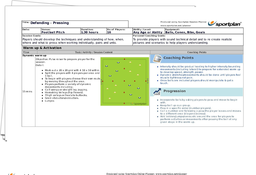
The first part of the session makes sure your players are all warm and ready for the session. Make sure you warm-up professionally at every session to get everybody in the right mindset for training too. In the main bulk of the session, the players learn how to press as a pair, emphasising the importance of communication and knowing their roles. This will be a physically demanding drill as well as mentally. The final conditioned games looks at how to press as a team, taking what has been learnt from the previous drills, and putting that into a larger team in a proper game situation.
Defend from the front and get your forwards laying down a marker for the rest of the team in their intensity and willingness to press and win the ball back.

The 2026 World Cup is nearly upon us. Here is Sportplan's preview for the tournament on who we think is going to do well and which teams to look out for.

Discover our new Coaching Trends section - in-depth articles covering the latest tactics, techniques and innovations across Football, Hockey, Cricket, Rugby, Netball, Basketball, Tennis, Handball and Volleyball.

Save yourself a scare this Halloween and ensure your session runs smoothly. No chaos, no fright, just structure.


Register for FREE and get coaching tips, top drills, session and more every week!