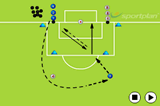
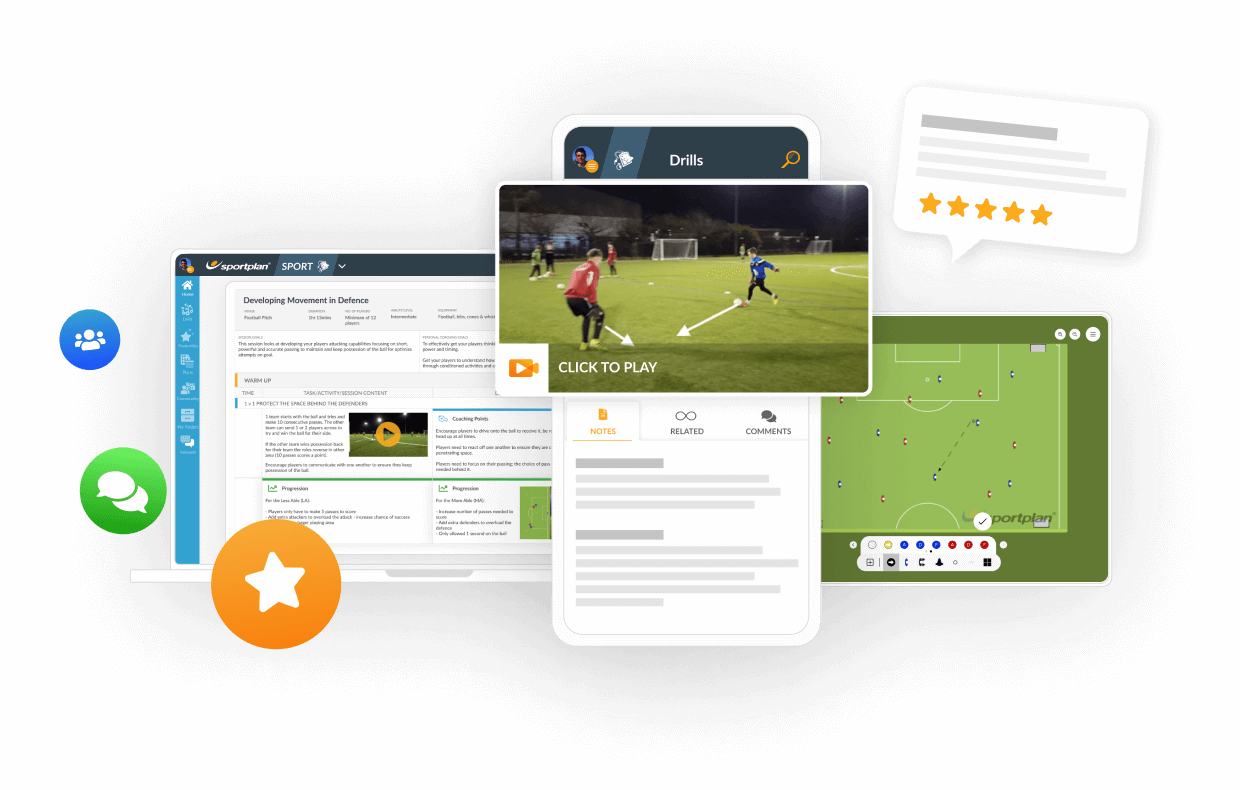
Set up two lines of players as show in the image, about 30m from the goals.
The first player dribbles with the ball at pace and then puts their foot on top of the ball, to leave it dead in front of the other player. The first player continues their run around the cone in front of them and then runs back inside the area.
The receiver uses a positive first touch to move into space and then try to finish through one of the wide goals.
The first player should have continued their run and now tries to put pressure on the receiver's shot.
The first touch should be positive and under control into space.
The shot should be passed into the mini goals. Accuracy before power - players should look up, see the space and shoot.
The purpose of this drill is for players to score but be sure to not make it too easy. You can increase/decrease the size of the wide goals to make this practice easier/harder.
If there is not enough pressure on the receiver's run and shot you can make this drill more challenging by moving the cone which the defender runs around closer (more pressure). If you move this cone further away the attacker will have more time to shoot (less pressure).
in more ways than one
 sportplan_netball

in more ways than one
sportplan_football
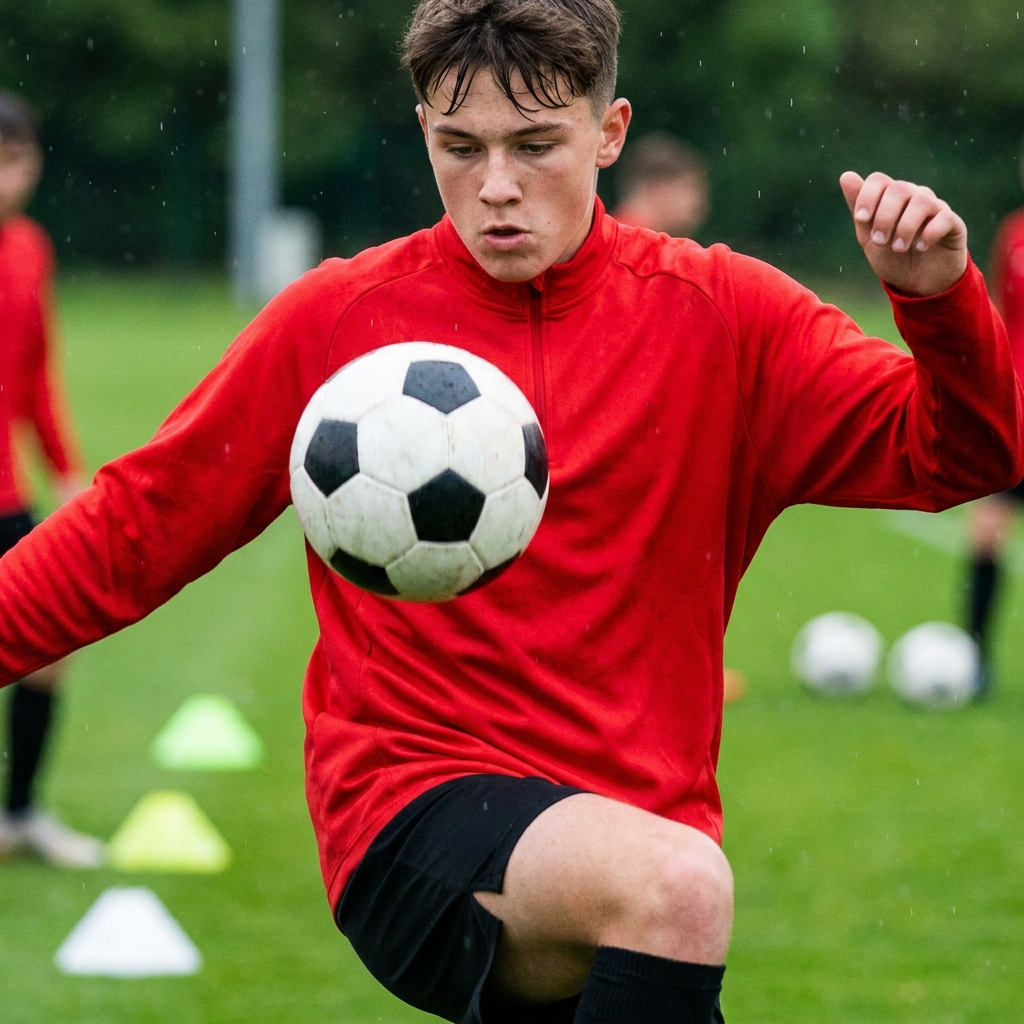
Deliberate heading is now out of U11 grassroots matches. Here is how to coach chest, thigh and foot control so your players still win the ball in the air.
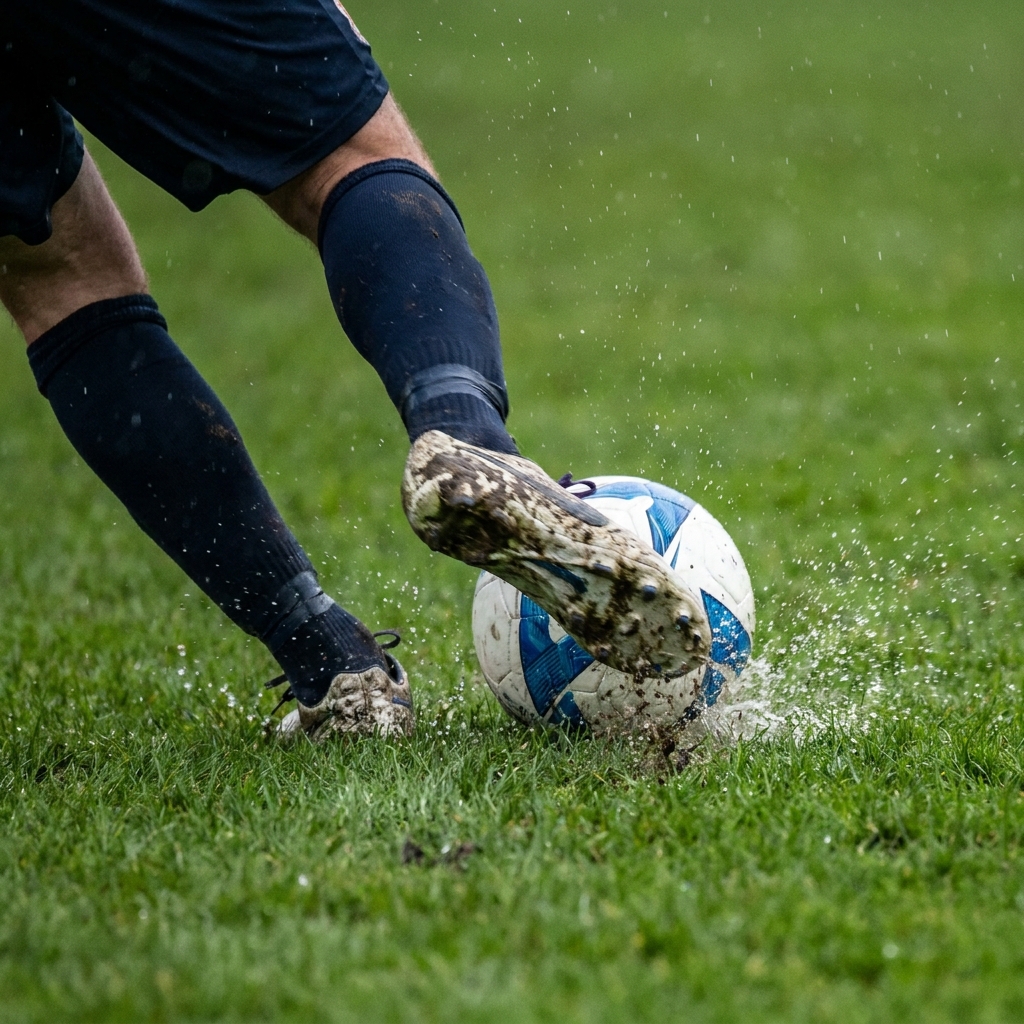
Long-range goals doubled at the 2026 World Cup as teams sat deep. Here is how to coach when to shoot from distance, the technique, and the follow-up.
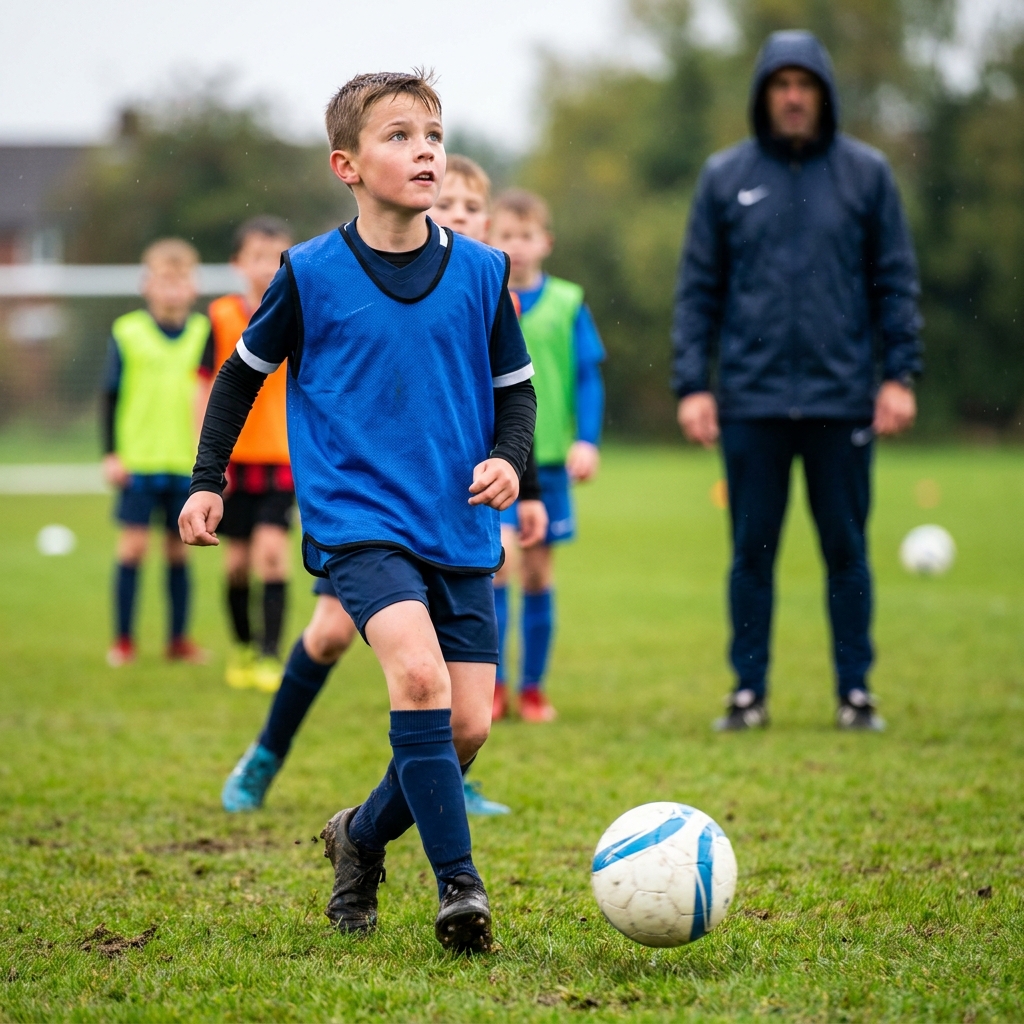
Under FutureFit, your Under-9s stay at 5v5, your Under-11s stay at 7v7 and your Under-13s stay at 9v9. Same pitch, same numbers, one more year. Here is how to make sure that year feels like a step forward rather than a repeat.