

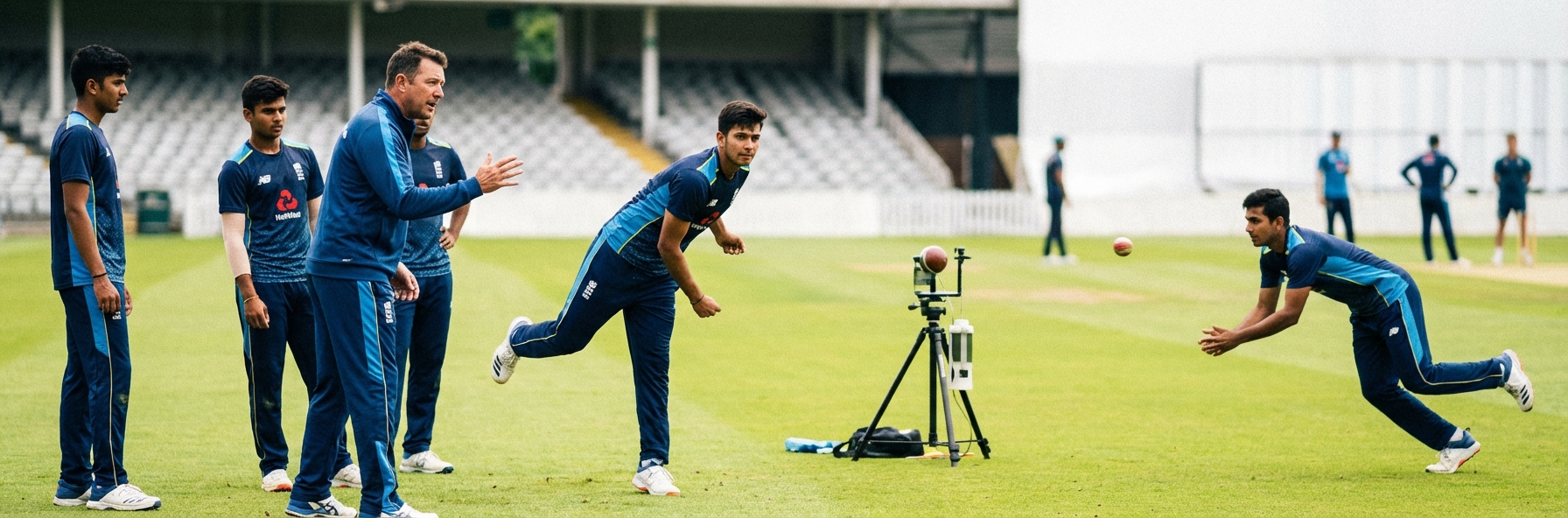
Modern fast bowling development integrates biomechanical analysis with traditional coaching methods. Motion capture systems identify optimal techniques while reducing injury risk. The result is bowlers who generate genuine pace while maintaining accuracy and movement.
Generating Pace
Building bowling speed safely:
Run-up momentum: Smooth acceleration that transfers into delivery.
Bound and gather: The penultimate stride stores elastic energy.
Hip-shoulder separation: Creating torque through the bowling action.
Arm speed: Fast arm action is the final link in the kinetic chain.
Swing Bowling
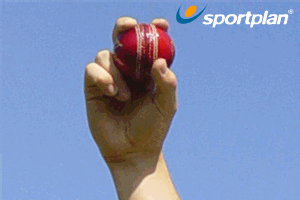
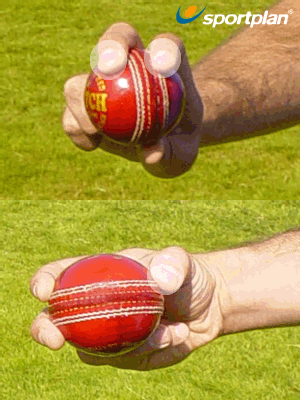
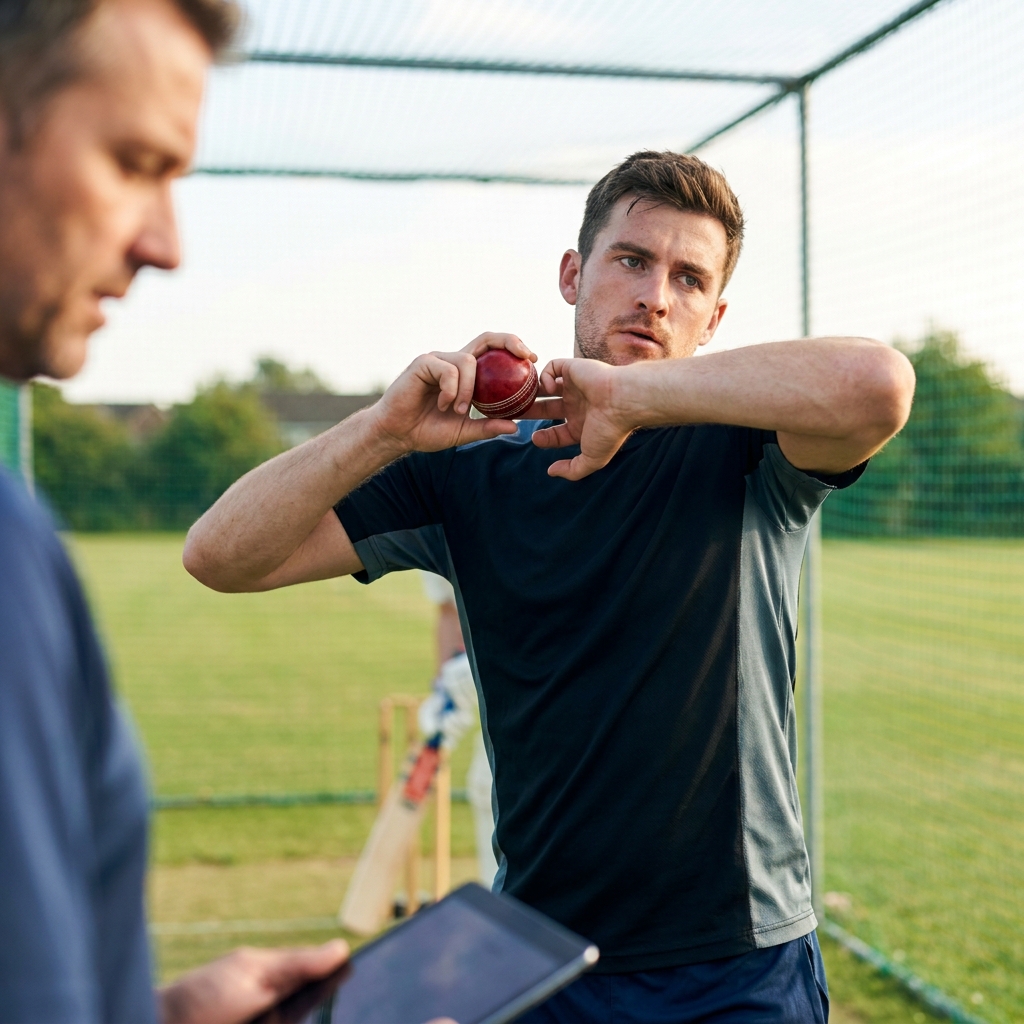
Outswing grip: Seam angled towards slip, shiny side in.
Inswing grip: Seam angled towards fine leg, shiny side out.
Wrist position: Keeping the wrist behind the ball at release.
Reverse swing: Old ball movement with the rough side in.
Seam Movement
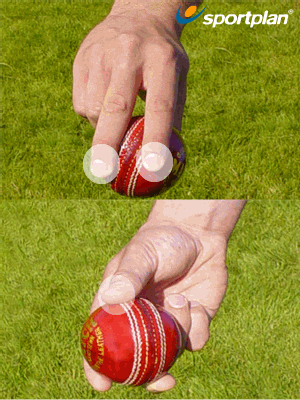
Upright seam: Consistent seam position for maximum movement off the pitch.
Scrambled seam: Variation that reduces movement for surprise.
Cross-seam: Ball travels straight but with unpredictable bounce.
Wobble seam: Slight instability creates late movement.
Injury Prevention
Workload management: Tracking overs and intensity to prevent overload.
Biomechanical screening: Identifying risky movement patterns early.
Strength conditioning: Building the physical foundation for fast bowling.
Recovery protocols: Appropriate rest between bowling sessions.
Key Coaching Points
- Pace comes from efficient technique, not just effort
- Swing bowling requires practice and ball maintenance
- Seam position at release determines movement off the pitch
- Injury prevention through workload management is essential
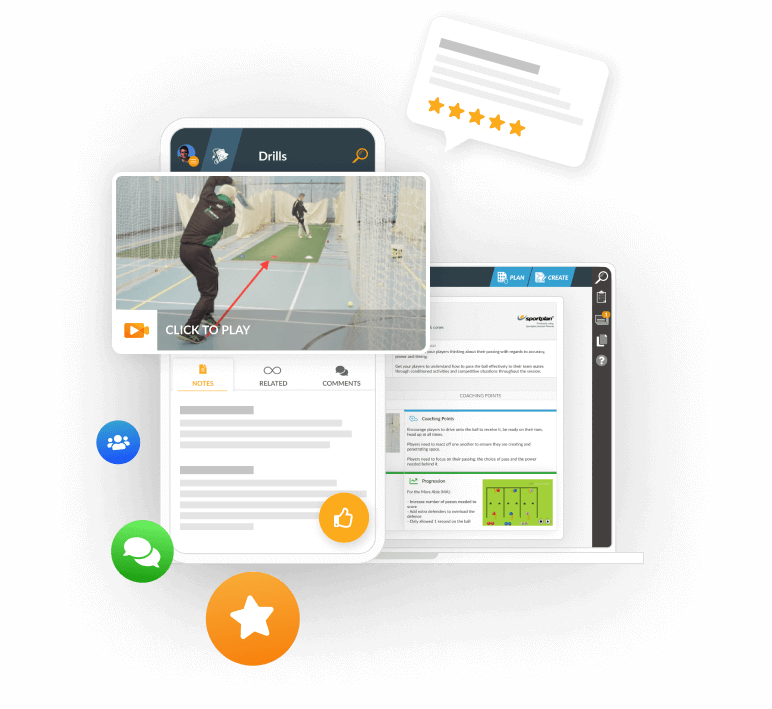
- Video analysis accelerates technical development