To get your bowlers back in the groove this week we start with a stretching and bowling warm up before gradually upping the difficulty, challenging your players to accurately hit a target. By improving your players' line of bowling and ability to aim at one side of the wicket you'll be making it easier for your captain to set a field.
We aim to keep things simple as we re-introduce players to bowling outside. However, you shouldn't completely ignore technique which is why we also aim to give your seamers some important tips to put them in good stead - such as keep your run up and follow through straight and look at how to correct players' technique if they're bowling too far down the off side or leg side.
Get your bowlers back in the groove - try this session today!
"On a bowler friendly pitch, don't try too many variations with your bowling"
Angus Fraser, Ex England and Middlesex CCC
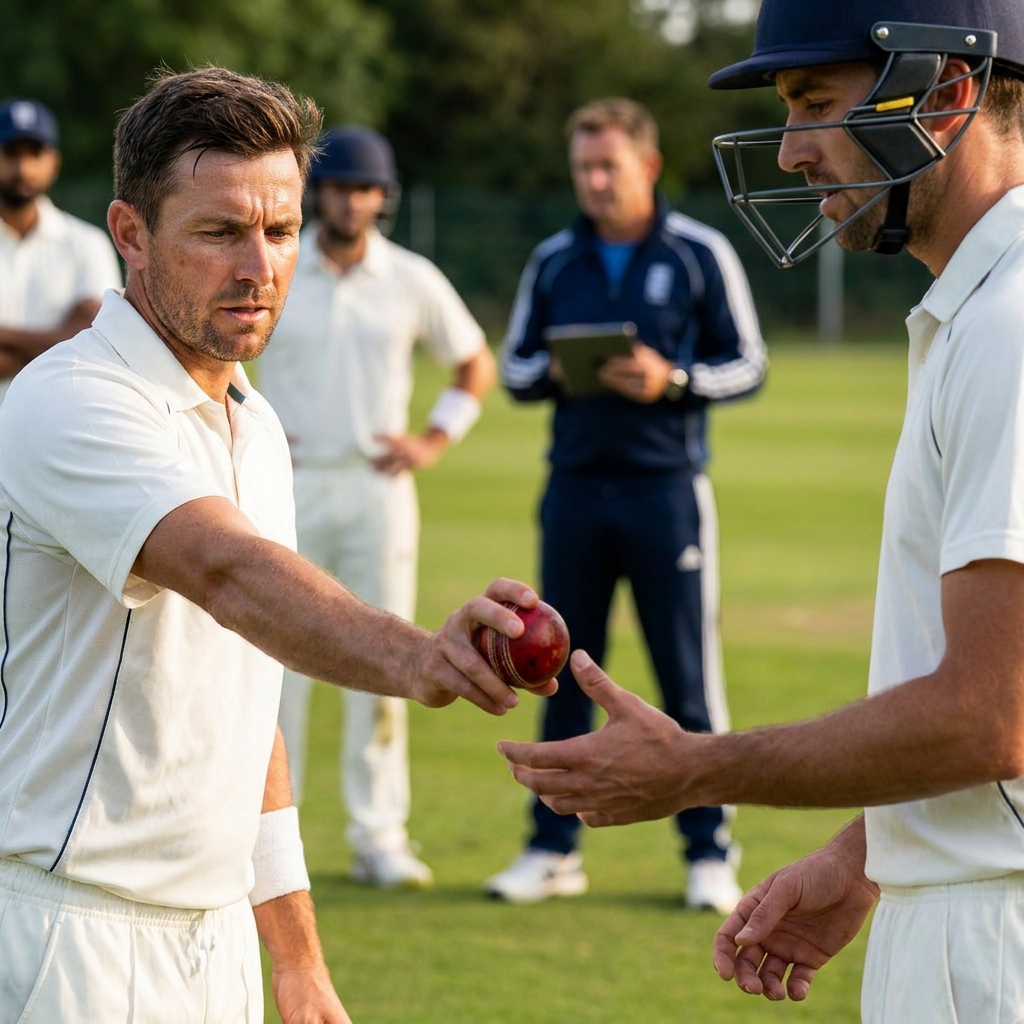
A bowling change can dismantle a partnership, halt a run surge, or hand the match back to the batting side. This article explores how modern captains use match phases, matchup data, and rhythm signals to time their changes, with a practical framework coaches can use to develop tactical thinking in young captains at club and age-group level.
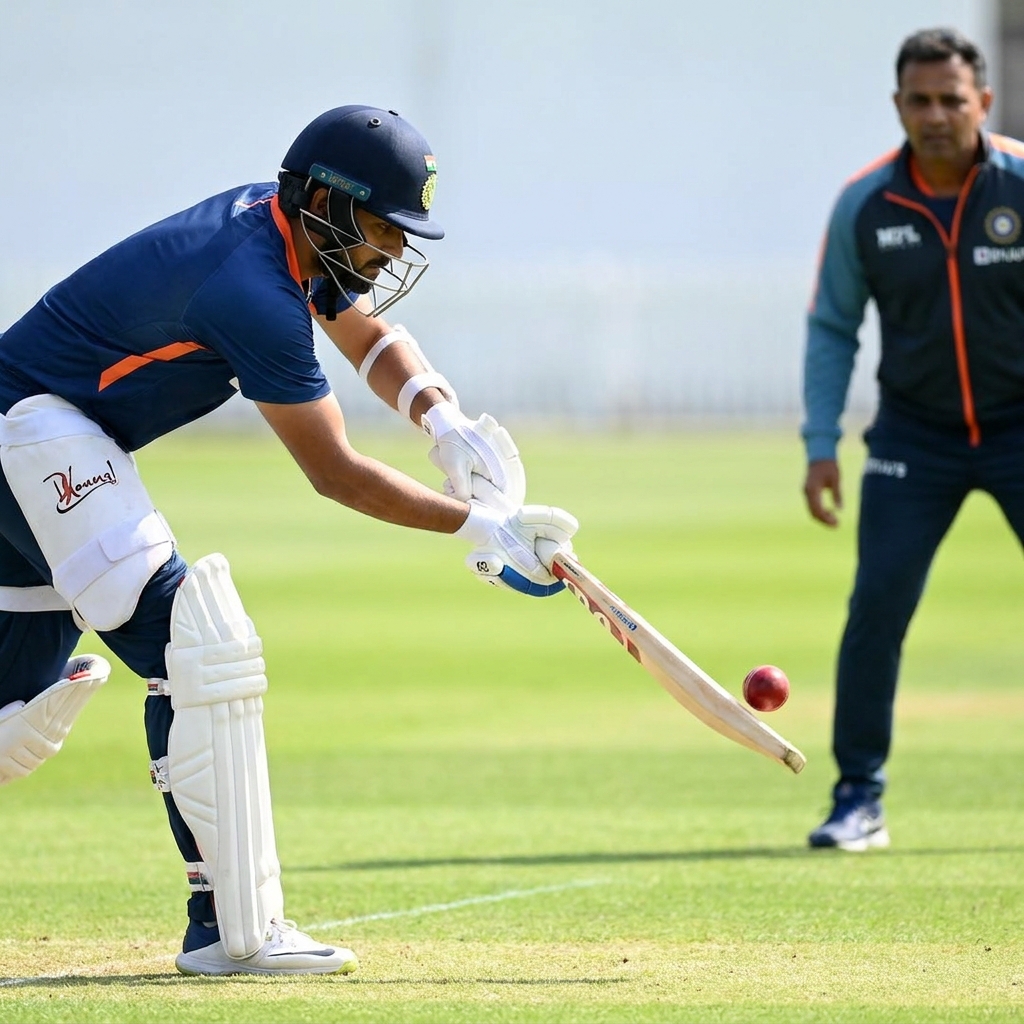
T20 data shows that teams bowling 40 or more dot balls win more than 65 per cent of matches. Strike rotation is now the most undervalued skill in batting. This article breaks down why singles matter more than sixes, the soft-hands and crease-depth techniques behind elite rotators, and a coaching framework to train relentless ones and twos under pressure.
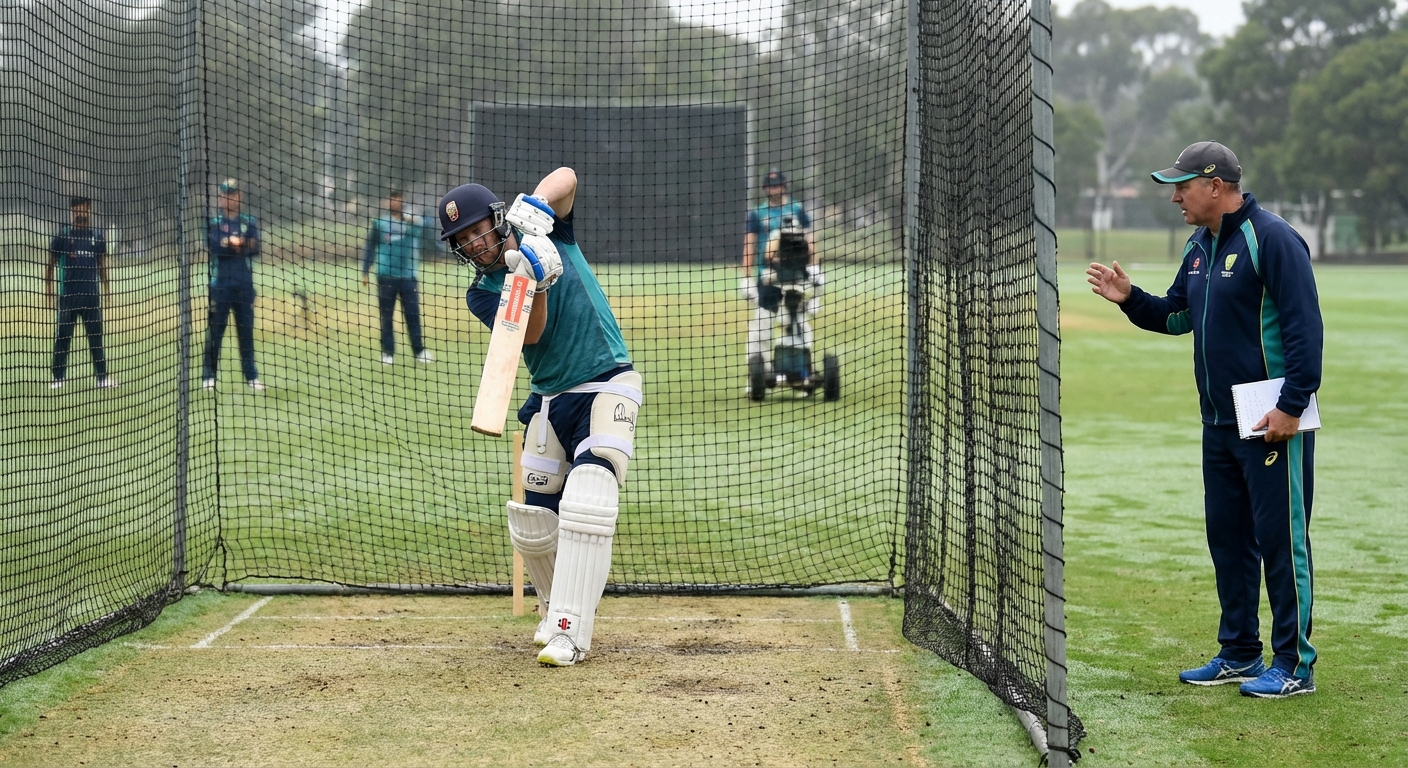
Pre-season is the best time to rebuild and refine batting technique without the pressure of match results. This article covers the fundamental batting positions that underpin consistent run-scoring, provides a progressive session framework from shadow batting to live bowling, and highlights the common pre-season mistakes that coaches should avoid.


Register for FREE and get coaching tips, top drills, session and more every week!