All young players should be taught to and encouraged to spin the ball as much as possible. A spinner's ultimate aim is to deceive the batter with spin - putting as much spin on the ball as possible so that when it bounces it deviates - making it difficult for the opposition's batsman to hit.
To give your players an idea of what sort of line they should be bowling we set up mini-gates (using stumps) to the left/ right of the wicket for your players to bowl through - aiming to put enough spin to get the ball to deviate back towards the wicket.
It's also important for your bowlers to not become predictable - it's for this reason in this session we cover not only the basic bowling form but also three separate spins - Off Spin, Leg Spin and Loop Spin! Once your players have mastered the spin they can then look to accompany it with flight and variation

The new Laws of Cricket are in force from 1 October 2026 and the 'bunny hop' boundary catch is gone. Here is how to coach your fielders to catch on the rope this winter.

The covers are on and the last tea has been served. What your club does between now and April decides how the next season starts. Here is a simple, honest winter plan for players, bowlers and juniors.
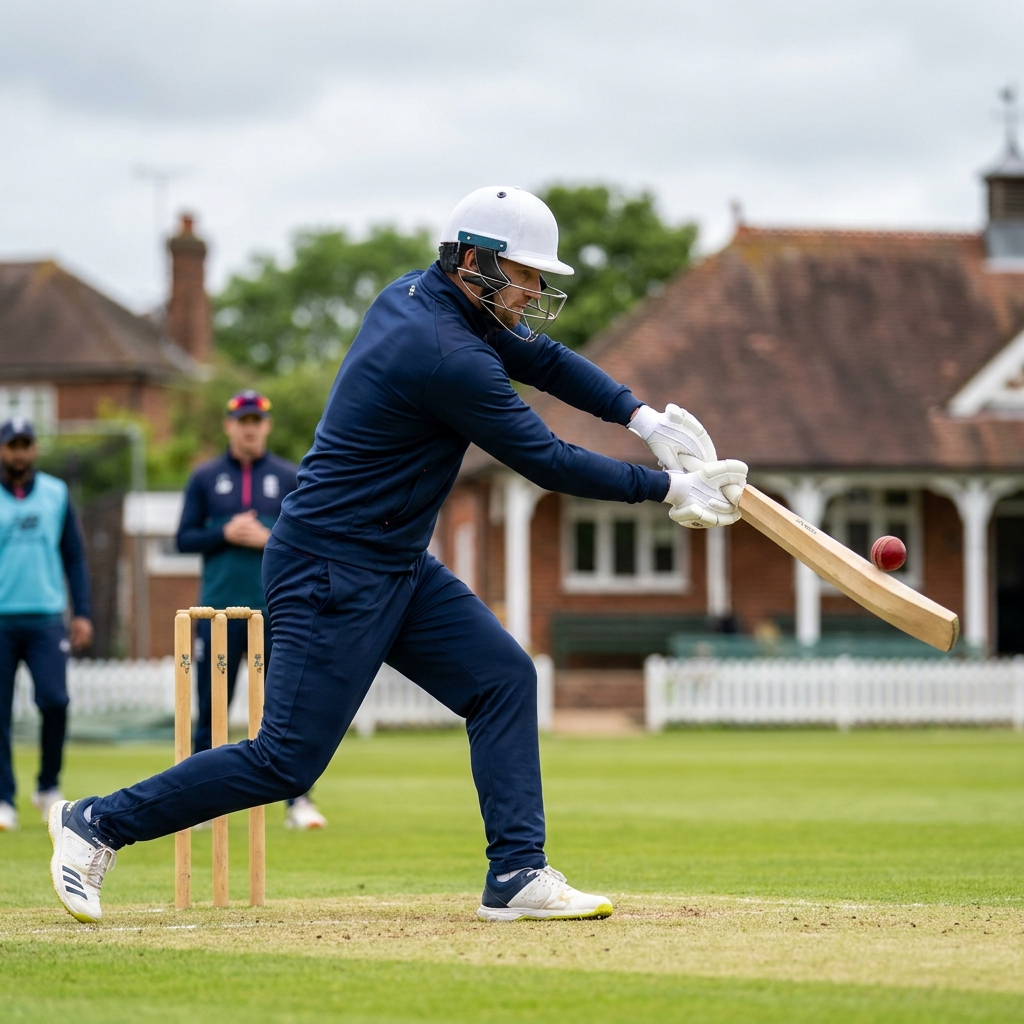
August is when seasons are decided, and most club games are lost chasing rather than setting. Give your batters a framework for the chase and you win the close ones.


Register for FREE and get coaching tips, top drills, session and more every week!