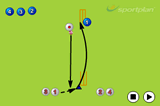
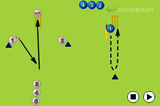
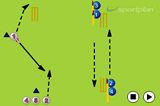
The batsman calls 'yes' to start the drill and tries to run 2 lengths whilst the fielder (player 1) runs out to meet the stationary ball, picks it up and throw it back to the wicket keeper (thus trying to run out the batter).
The coach decides which team has won and both players return to the back of their respective lines.
Drill continues in this way.
The wicket keeper throws the ball back to first fielder who replaces the ball on the ground, so that the race is ready for the next pair of players to go.
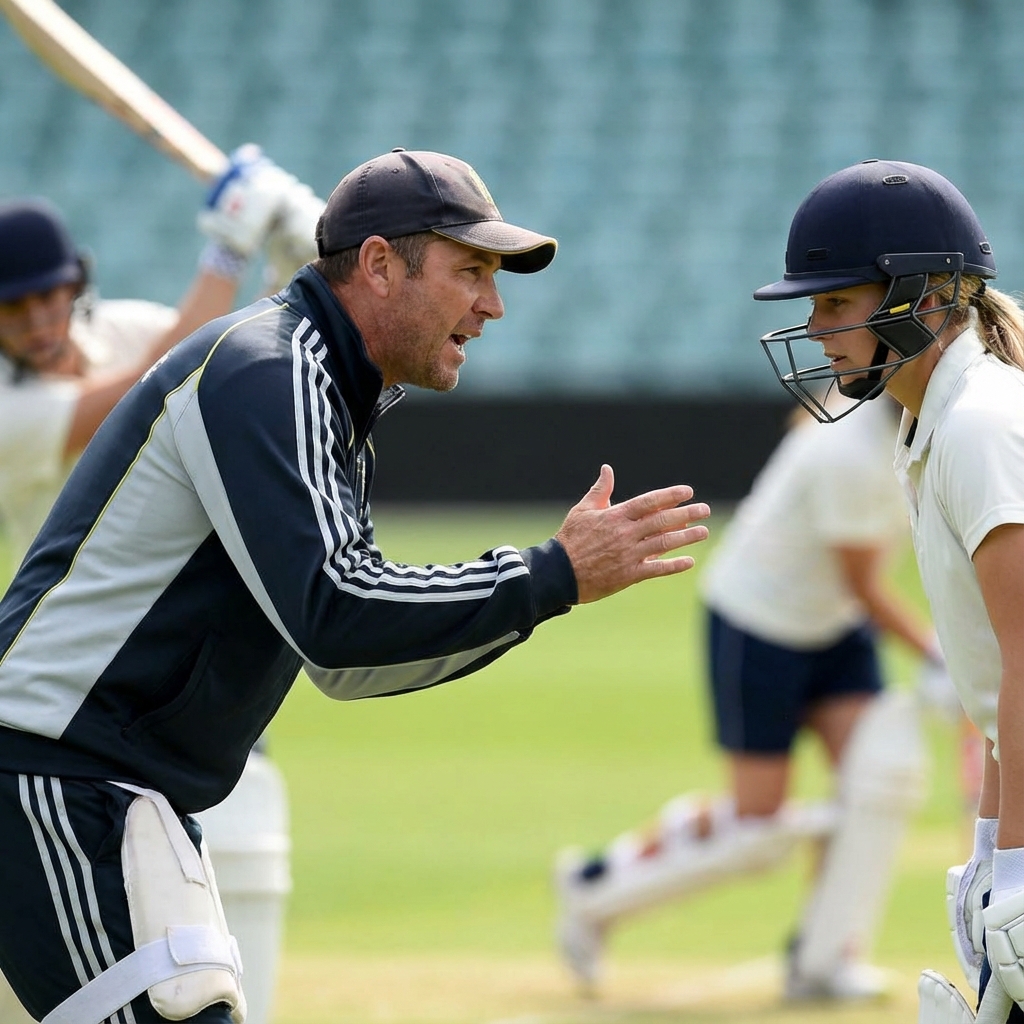
Game-based training and match simulation prepare players for real competition more effectively than isolated drills. Modern coaching integrates pressure scenarios, decision-making, and competitive situations into every training session.
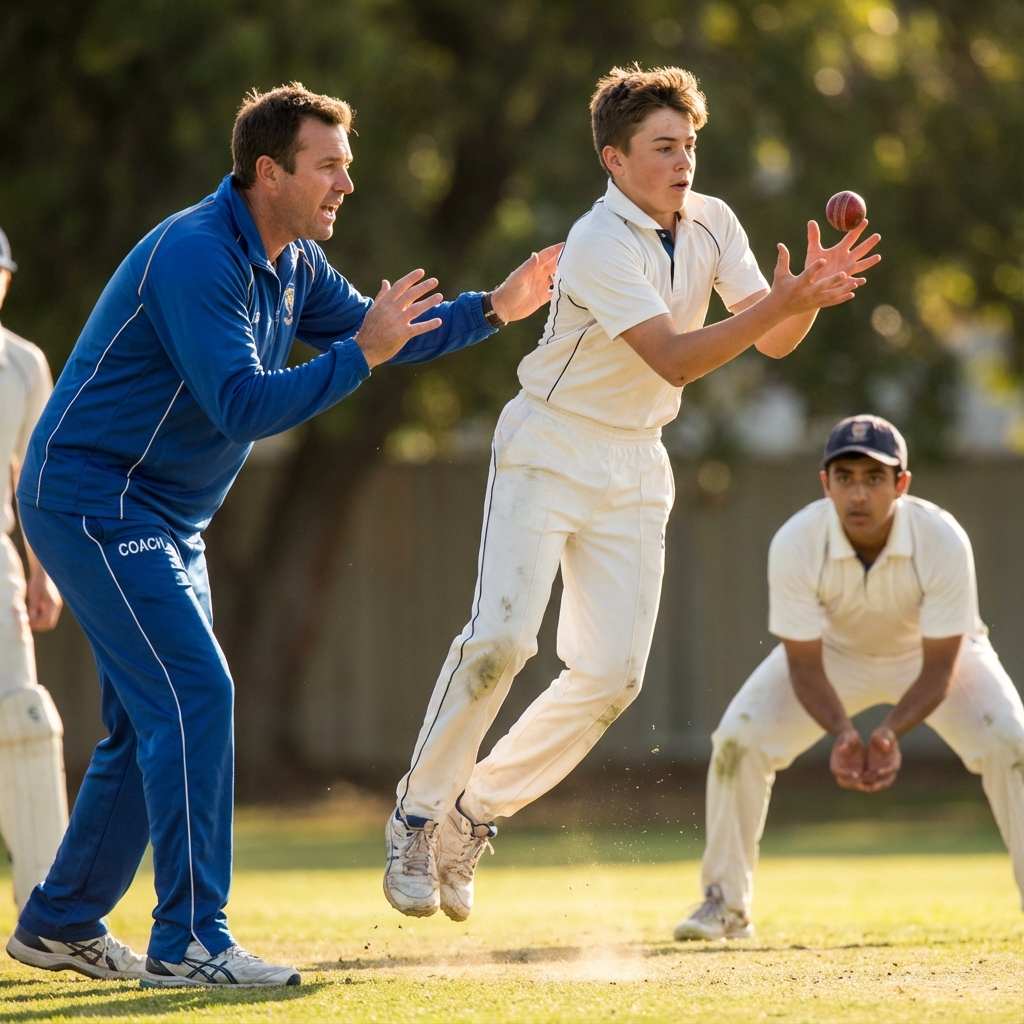
Catches win matches remains cricket's truest saying. From high balls under lights to sharp slip catches, the ability to hold chances consistently separates winning teams from those that let matches slip away.
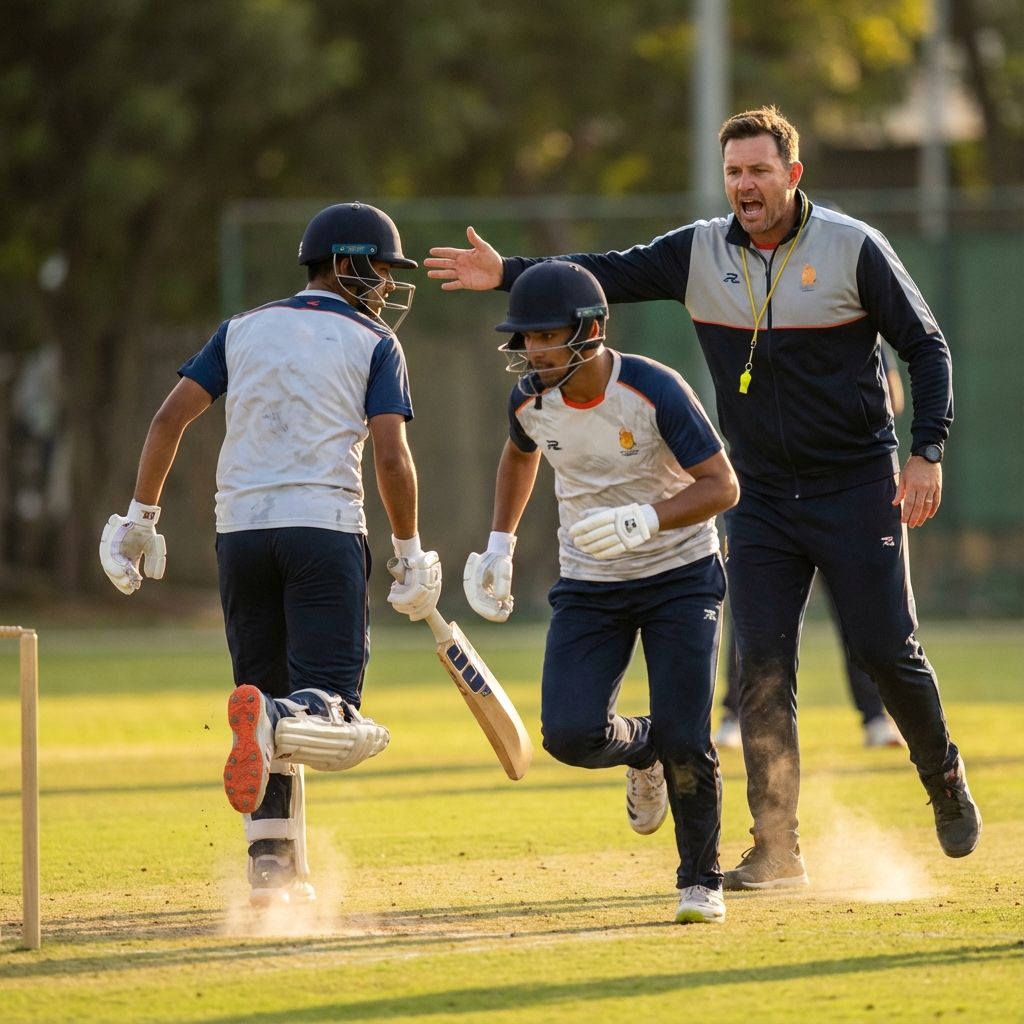
Elite running between wickets adds significant runs without risk. Quick singles, converted twos, and intelligent strike rotation separate the best batting partnerships from average ones across all formats.


Register for FREE and get coaching tips, top drills, session and more every week!