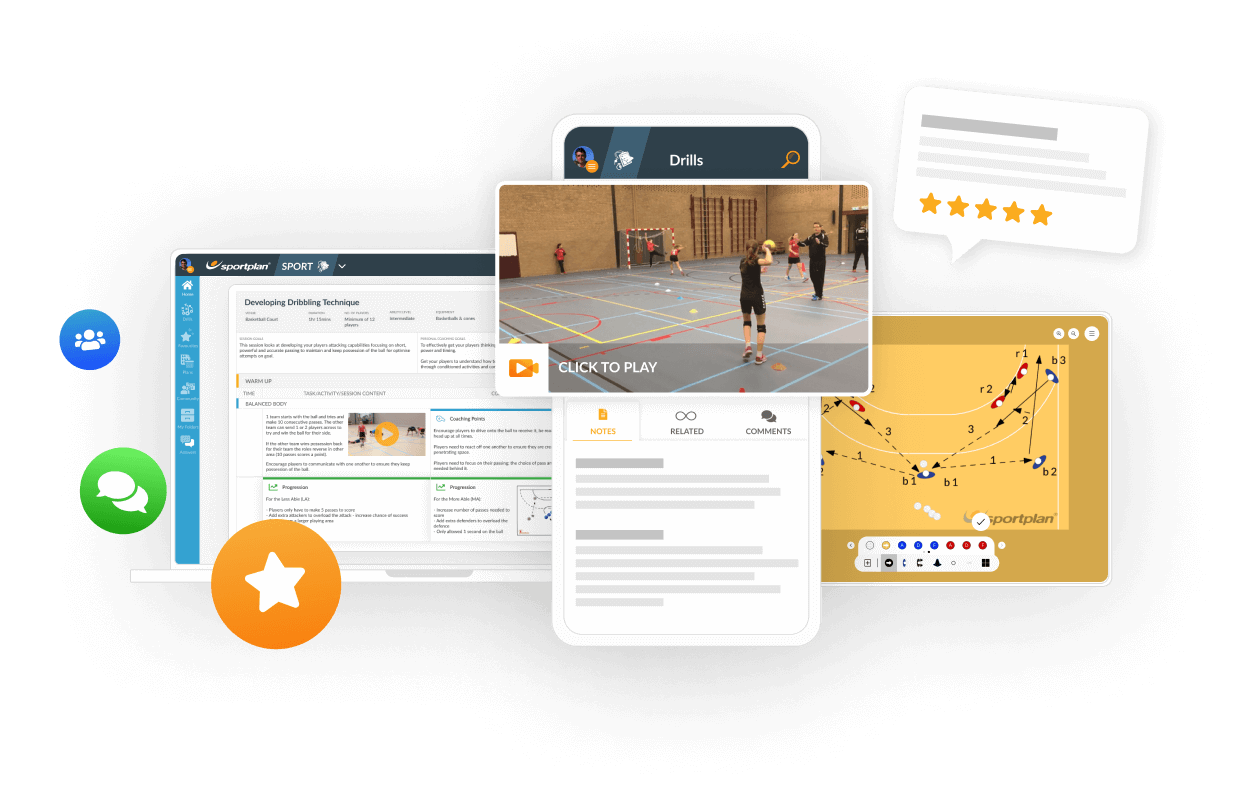
Îλοι οι ÏαίκÏÎµÏ Î³Î·ÏÎÎ´Î¿Ï Î¼Î¿Î¹ÏάζονÏαι Ïε 3 θÎÏÎµÎ¹Ï ÏεÏιÏÎÏÎµÎ¹Î±Ï ÎºÎ±Î¹ ÏÏα 2 γήÏεδα. ÎεκινοÏν αÏειλή αÏÏ Ïον ÏÏάÏινο ÎÏÏ Ïον μÏλε κÏνο και μεÏά ÏÏÎÏÎ¿Ï Î½ ÏÏο αÏÎνανÏι γήÏεδο ÏÏην ίδια θÎÏη ÏÎ¿Ï Î®Ïαν. ÎεÏά αÏÏ ÎºÎ¬Î¸Îµ ÏÎµÏ Î±Î»Î»Î¬Î¶Î¿Ï Î½ θÎÏειÏ, ÏÏÏε να ÏεÏάÏÎ¿Ï Î½ Ïλοι αÏÏ Ïο κÎνÏÏο. ÎÏαιÏοÏνÏαι ÏÎ¿Ï Î»Î¬ÏιÏÏον 12 ÏαίκÏÎµÏ Î³Î·ÏÎÎ´Î¿Ï . 3 set x 8 min
This practice has no coaching points
This practice has no progressions
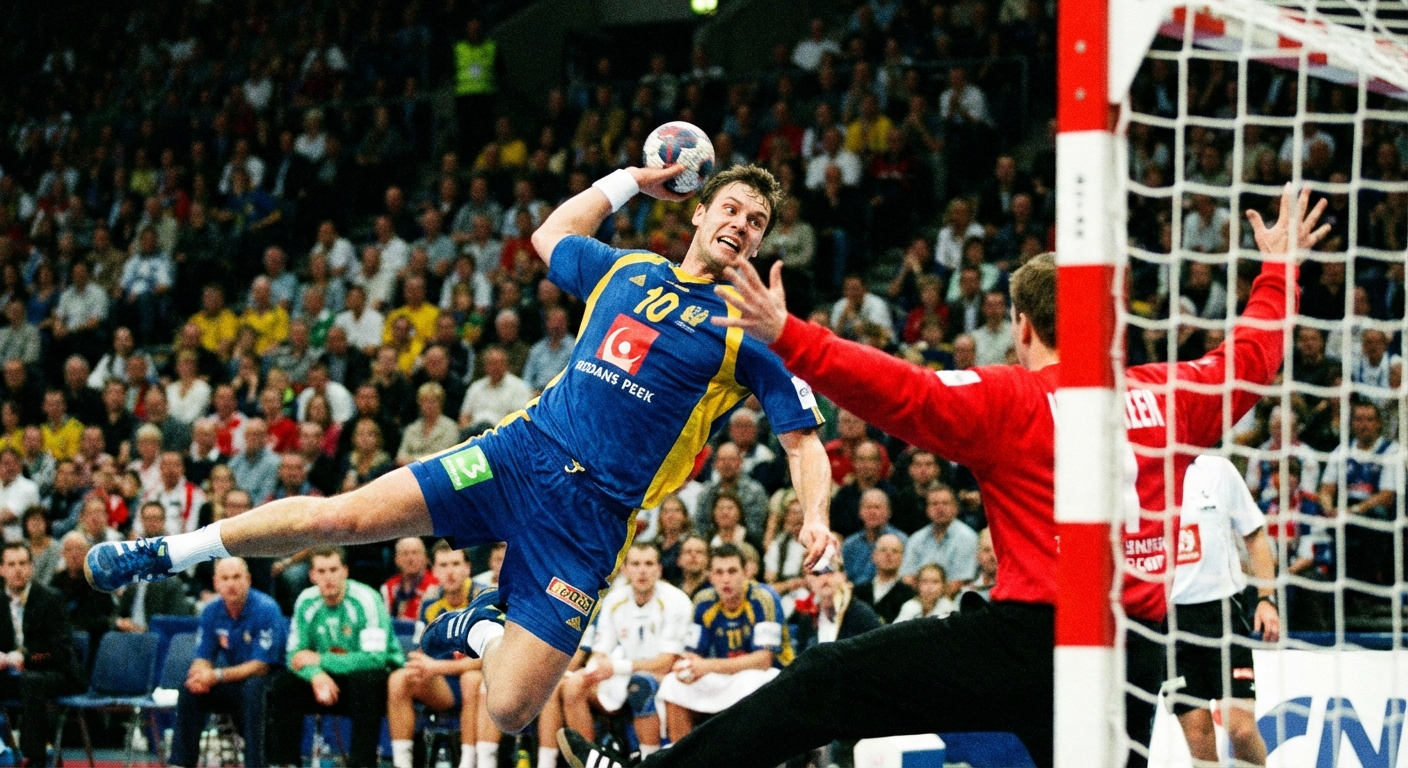
Wing players operate in the most demanding shooting position on a handball court, where acute angles and a close goalkeeper make finishing a specialist skill. This article breaks down the technique, decision-making, and training progressions that coaches need to develop elite wing finishing.
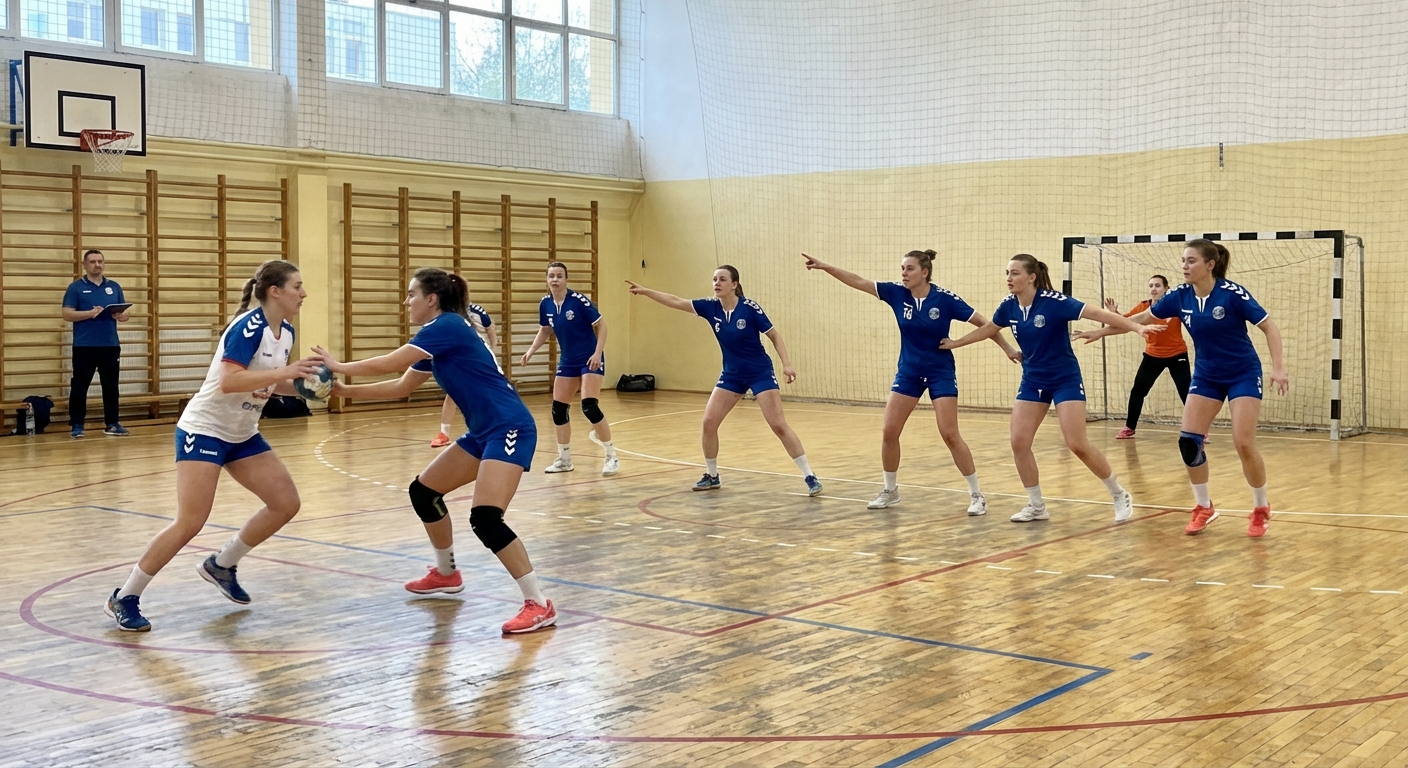
The transition from attack to defence is the most vulnerable moment in handball. This article examines the 3-second recovery principle, the specific roles players must adopt during transition, and the training scenarios that build a team's ability to recover defensive shape under pressure.
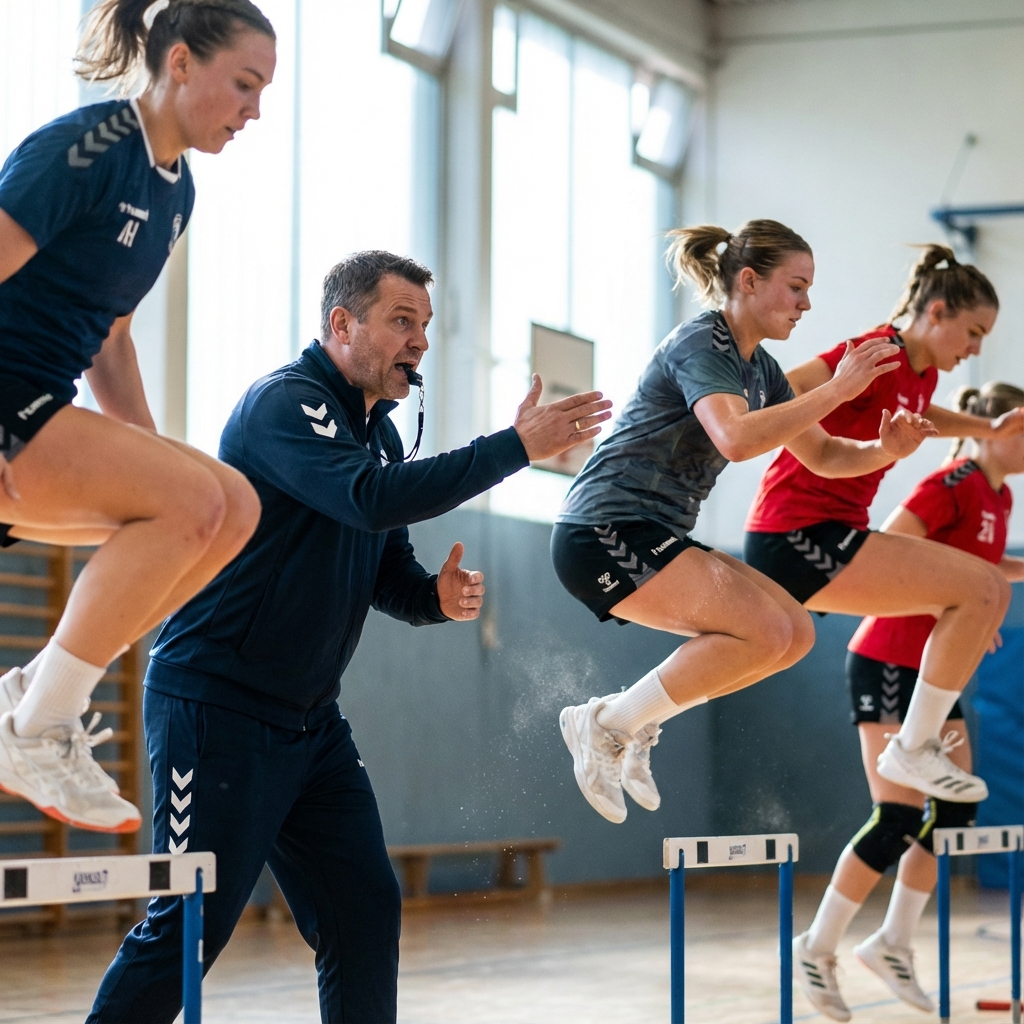
Handball demands explosive power, repeated sprint ability, and the strength to compete physically for 60 minutes. Sport-specific conditioning develops the athletic qualities that underpin elite performance.


Register for FREE and get coaching tips, top drills, session and more every week!