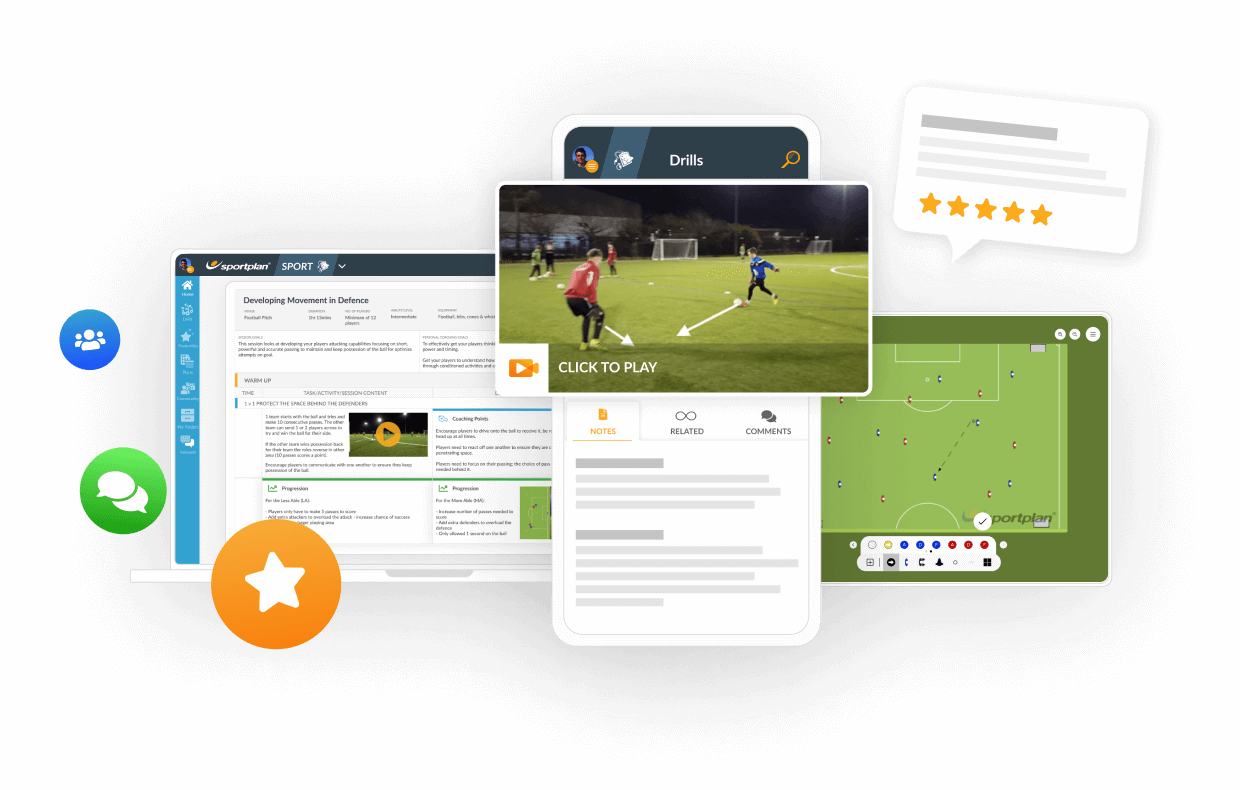
Set Up
Create 6 grids (as pictured) In and around the goal mouth.
Set up 3 teams of 4
The 2 teams inside the four central grids aim to keep possession by passing to each other in the respective grids.
Only one player from each team is allowed in one grid at a time when in possession.
Players do not have to stay in 1 grid for the whole drill.
Attacking moves are allowed to move a player into another grid making no more than 2 players in one grid at a time, but the team must get only 1 player per central grid within 5 seconds or they will have to forfit possession.
Either Teams can score goals at any time. But cannot score outside of the 4 central grids.
When out of possession, players must aim to win the ball back with in 10 seconds (6 when improved).
Two defensive players can enter a single grid to defend but once the ball is moved on those two players must move back into individual grids
The Red Team in the example are Neutral.
Only Neutral players are allowed in the far side (left and right) grids whilest in possession.
Neutral players can pass to any one but when passing the ball back into the game they must pass to the team in the grids that passed to them.
Defending teams are allowed to close down neutral players or block a passing path to one.
Neutral players do not shoot, they are there to simply maintain possession for the team that borrow them posession the ball.
The Goal Keeper can only pass to neutral players.
If the keeper saves a shot the ball is classed as in the opposition teams (the defending team) possession.
Possession
Passing accuracy
Learning how to possition to recieve a pass
Learning how to move a defense around with passing
Communication between attacking Players
Communication between defending Players.
Work rate
in more ways than one
 sportplan_netball


in more ways than one
sportplan_football
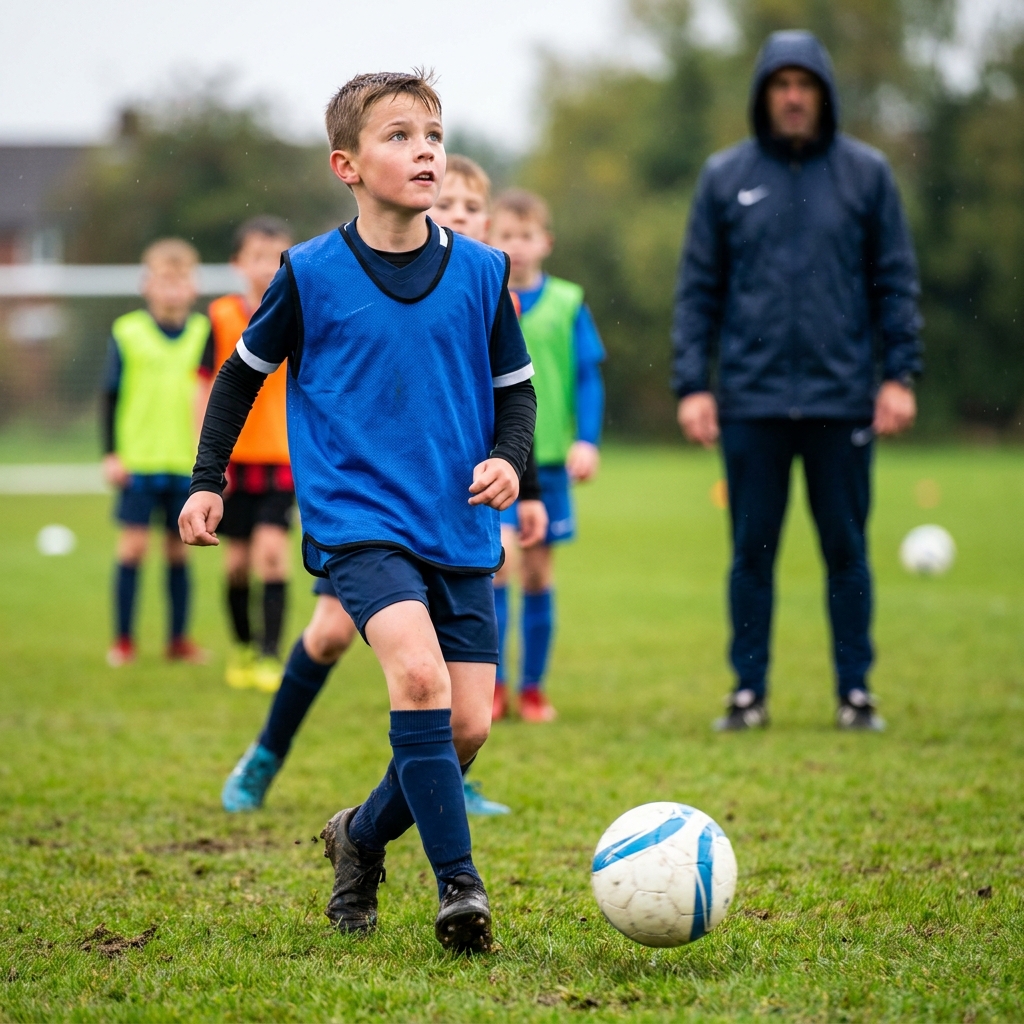
Under FutureFit, your Under-9s stay at 5v5, your Under-11s stay at 7v7 and your Under-13s stay at 9v9. Same pitch, same numbers, one more year. Here is how to make sure that year feels like a step forward rather than a repeat.
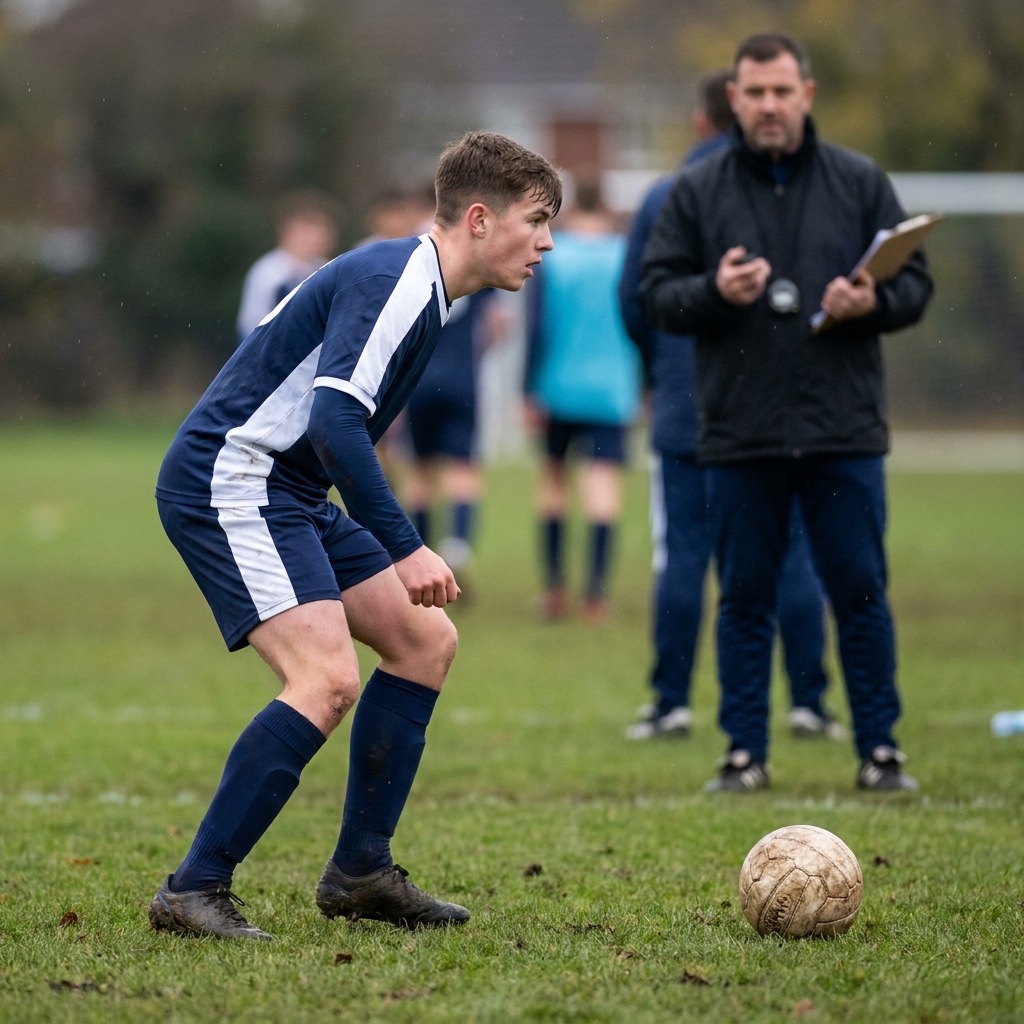
Most 1v1s are lost in the first second, when the defender rushes in and dives. Teach your players to slow the attacker down, take away the dangerous option and pick the right moment, and they will win far more of them.
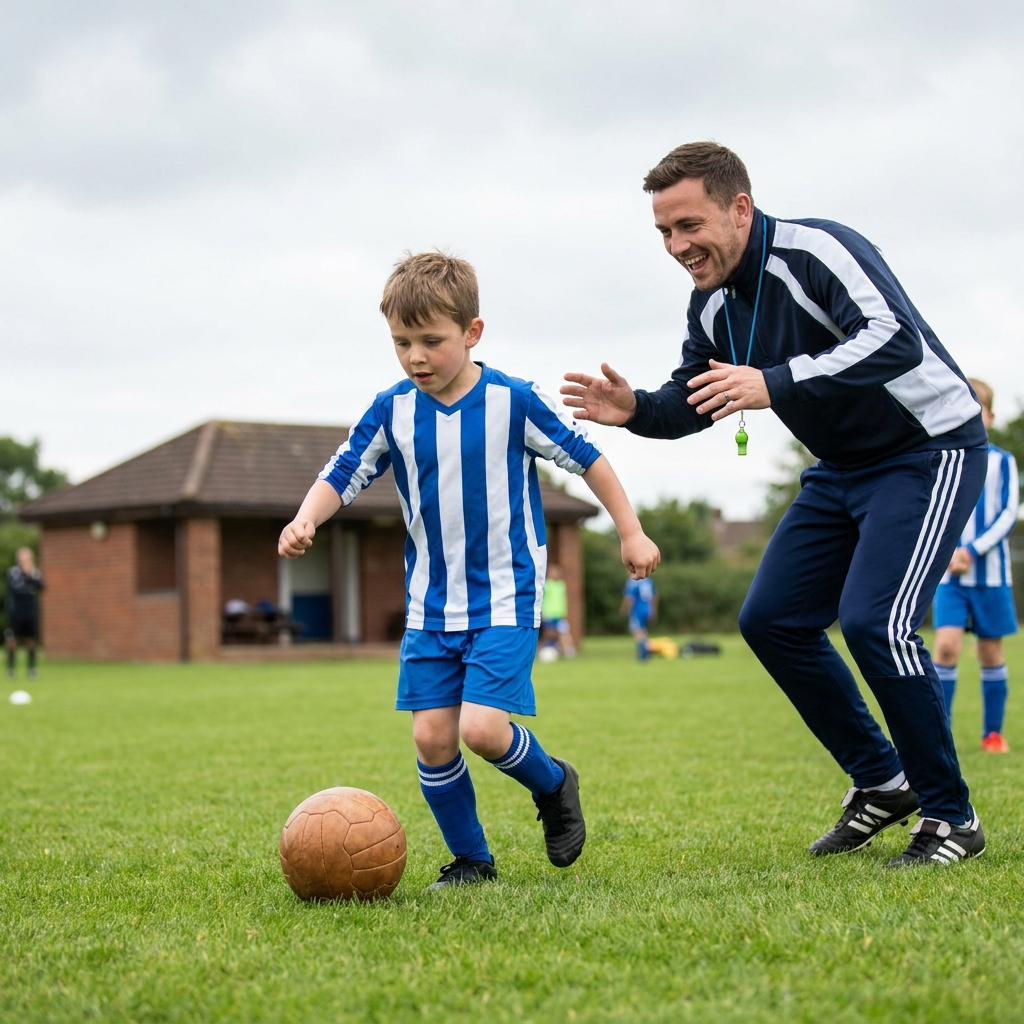
The FA's FutureFit framework lands this season, bringing a 3v3 entry format at Under-7s. Here is what actually changes on a Saturday morning, and how to coach it well.