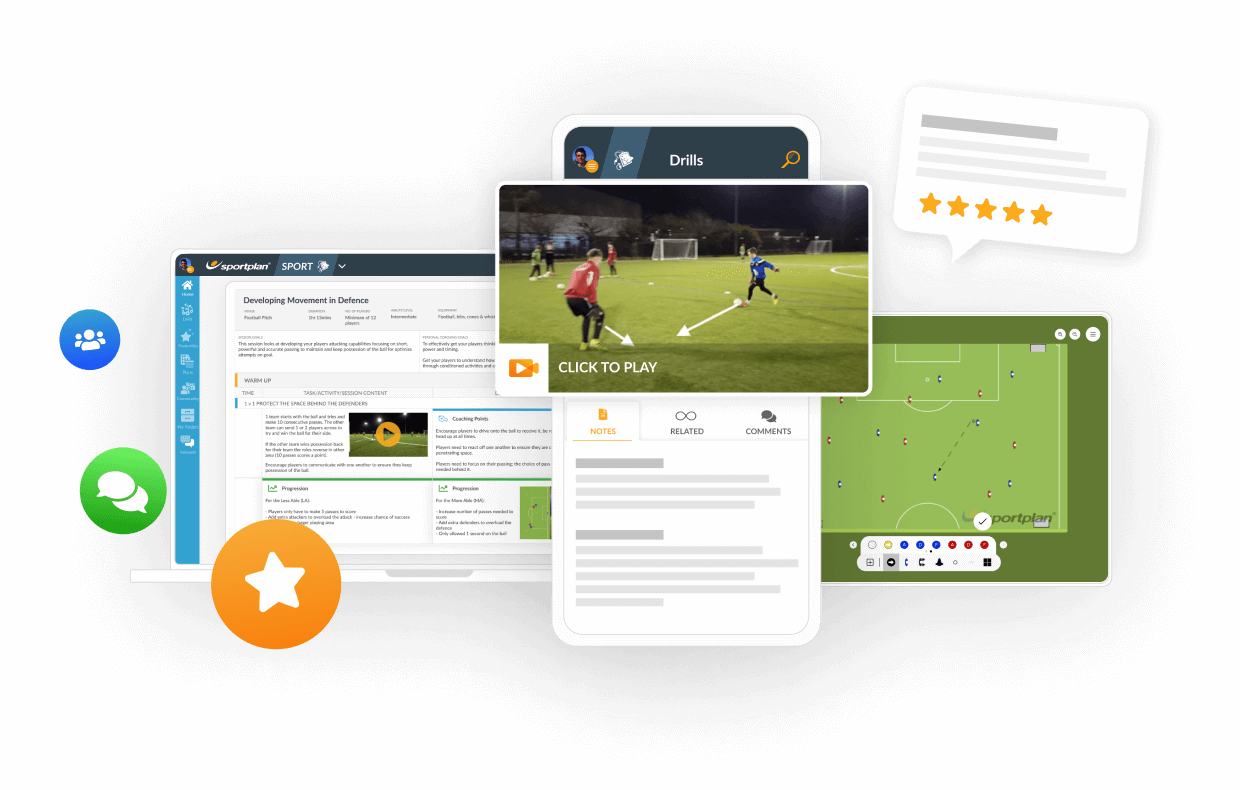
Trabajo de marcación con realidad de juego:
25 min.
1-Se pondrá una portería en el fondo y a los costados a eso de 30 a 35 metro hacia el frente 2 porterias puestas de picas y un cono luego de las picas pero en el medio no en el costado.
2-Pondrás 2 filas luego del cono del medio color rojo algunos 6 a 7 pasos de distancia.
3-Pones 2 filas, una fila con balón y otra sin balón. El jugador que no tiene balón saldá en velocidad a pasarle por atras al cono del medio color rojo en el diagrama, luego de pasar por el cono ya tiene que prepararse en posición de marcación porque el otro jugador de la fila que tiene balón va entrar con la pelota a lograr pasar por una de las 2 porterias de picas obviamente el defensor debe impedir eso. Del jugador lograr pasar por el medio de una de las porterias el jugador que estaba defendiento automaticamente pasa a ser ofensivo y se vuelve un 2 vs 1 que es el portero. A este tambien se le puede poner un defensa frente al portero por si el jugador logra pasar.
in more ways than one
 sportplan_netball


in more ways than one
sportplan_football

Under FutureFit, your Under-9s stay at 5v5, your Under-11s stay at 7v7 and your Under-13s stay at 9v9. Same pitch, same numbers, one more year. Here is how to make sure that year feels like a step forward rather than a repeat.
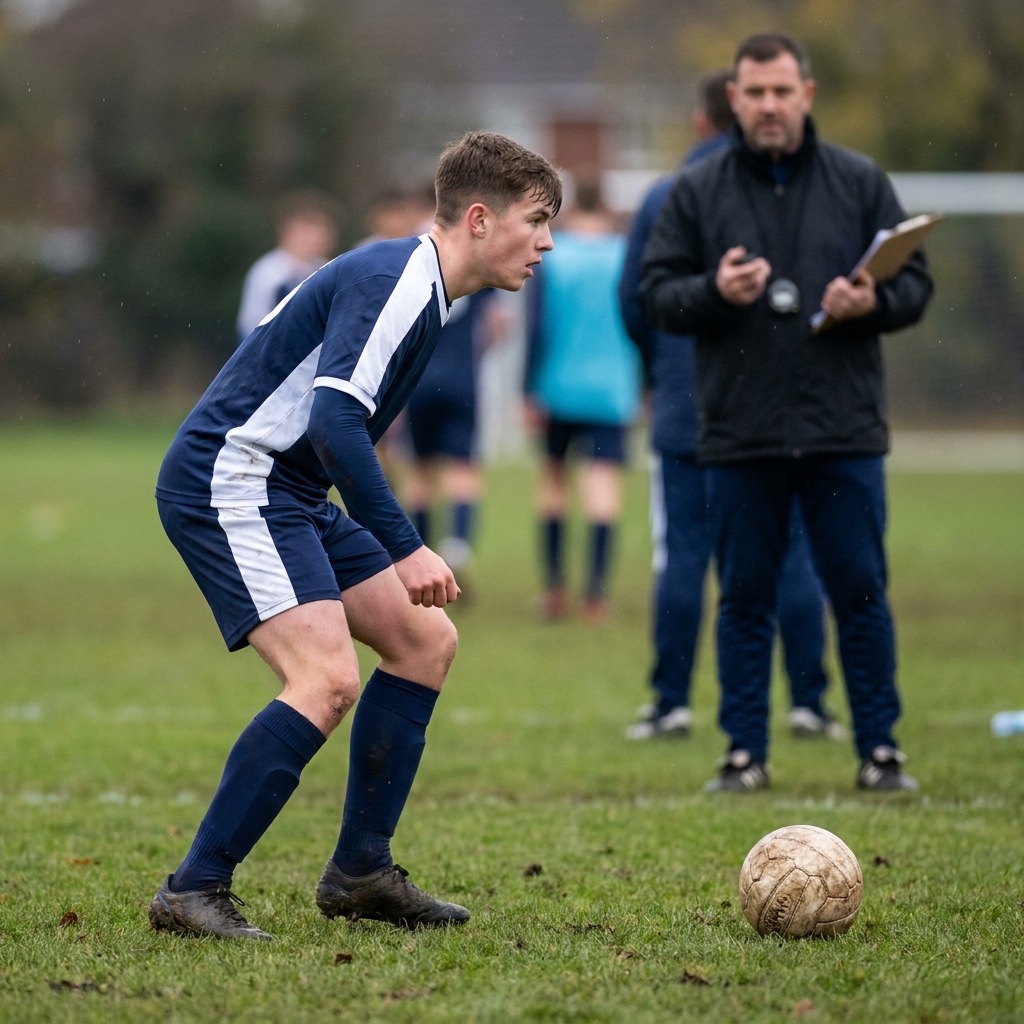
Most 1v1s are lost in the first second, when the defender rushes in and dives. Teach your players to slow the attacker down, take away the dangerous option and pick the right moment, and they will win far more of them.

The FA's FutureFit framework lands this season, bringing a 3v3 entry format at Under-7s. Here is what actually changes on a Saturday morning, and how to coach it well.