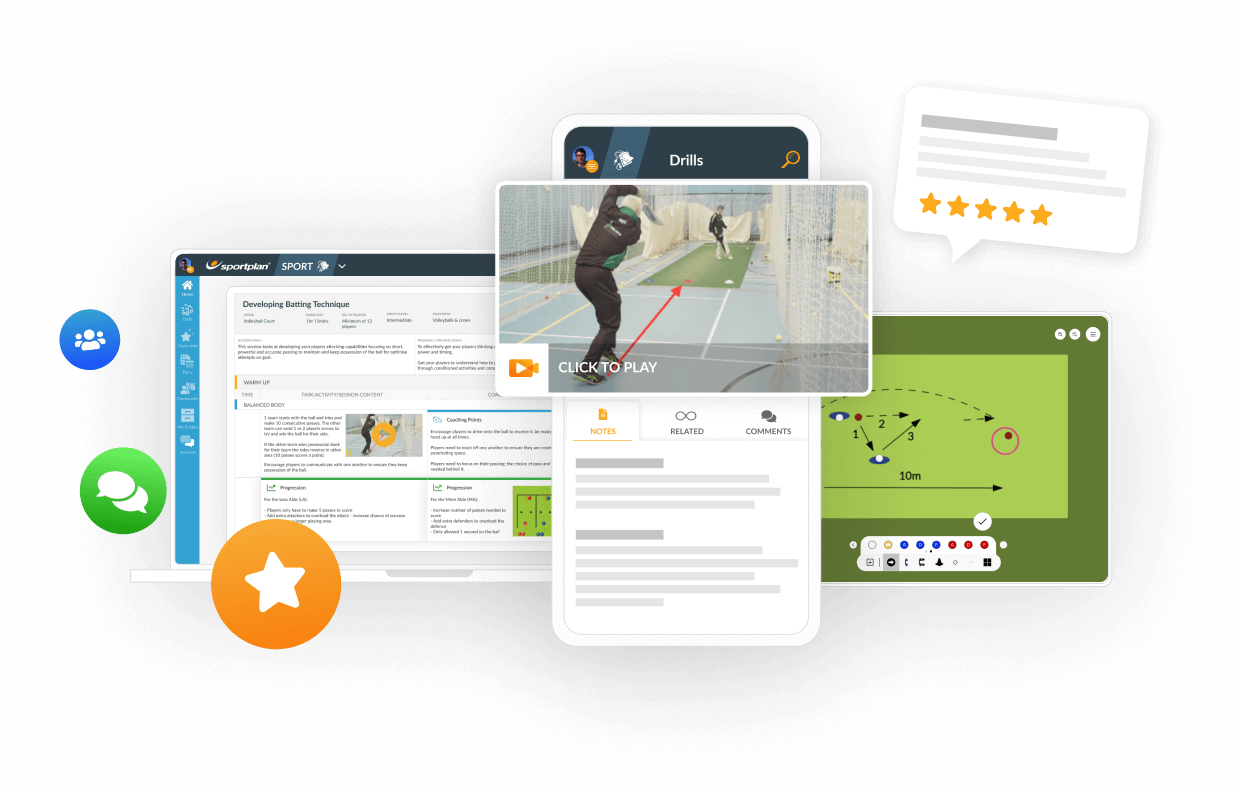
Three Stations are set up -
1.
A coach or partner stands down the wicket of the palyer so he can perform a drop feed. The aim of this drill is for the batsmen to come down the wicket and hit the ball on the 2nd bounce along the floor (Hopfully in the 'V')
2.
Nearly identiacal to drill 1 however the batsmen are trying to strike the ball in the air over the infield (Mid On and Mid Off)
3.
This drill is slightly different a overarm feed is made by a player or coach.
The Batsman is to try and change the delivery by moving around the crease.
for example sitting deeper in the crease to make a yorker a half volley or step accross to the leg side to open up a shot to the off side.
This drill is a really good way to manipulate the field and make it easier to score agaist deliverys which would be difficult to score off.
With Drill 1 and 2 (Down the wicket drill) the coaching points are very similar to those of the front foot drive.
Front Foot Shots –
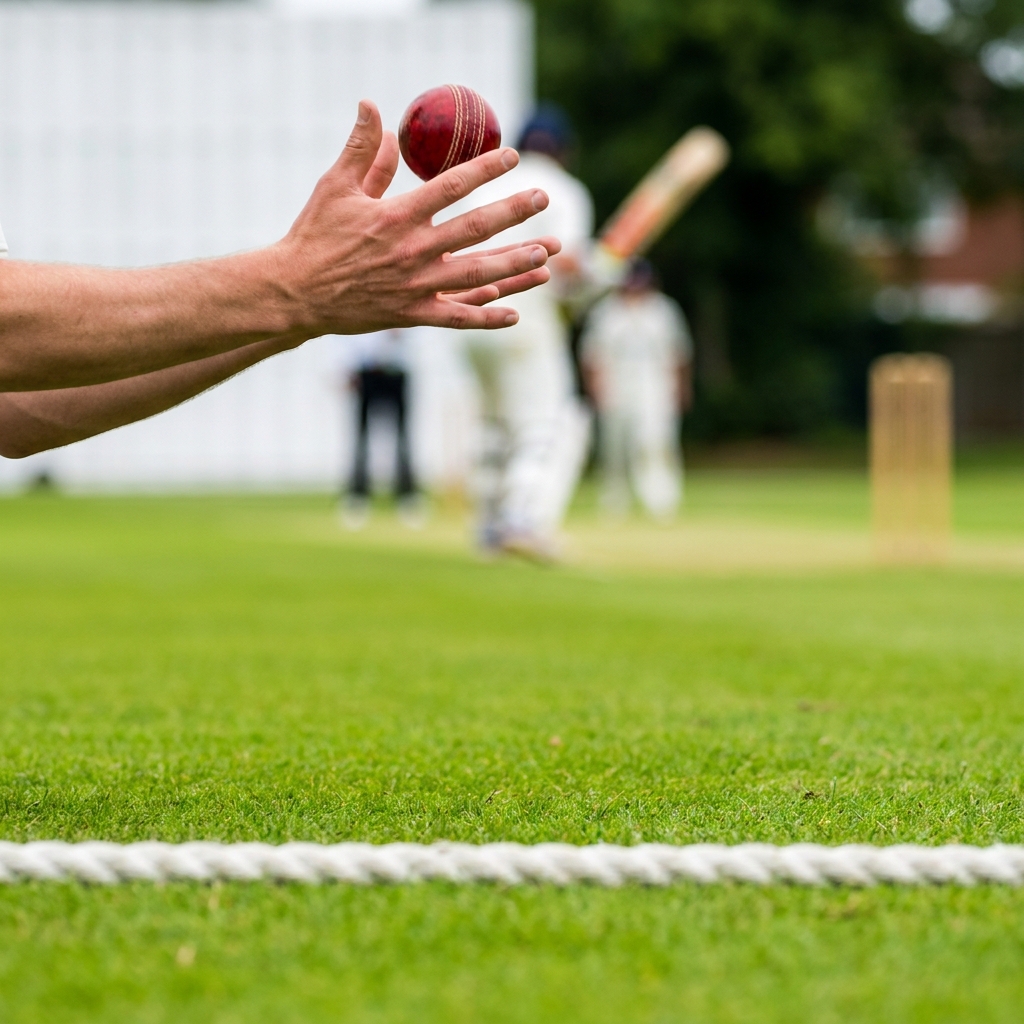
The new Laws of Cricket are in force from 1 October 2026 and the 'bunny hop' boundary catch is gone. Here is how to coach your fielders to catch on the rope this winter.
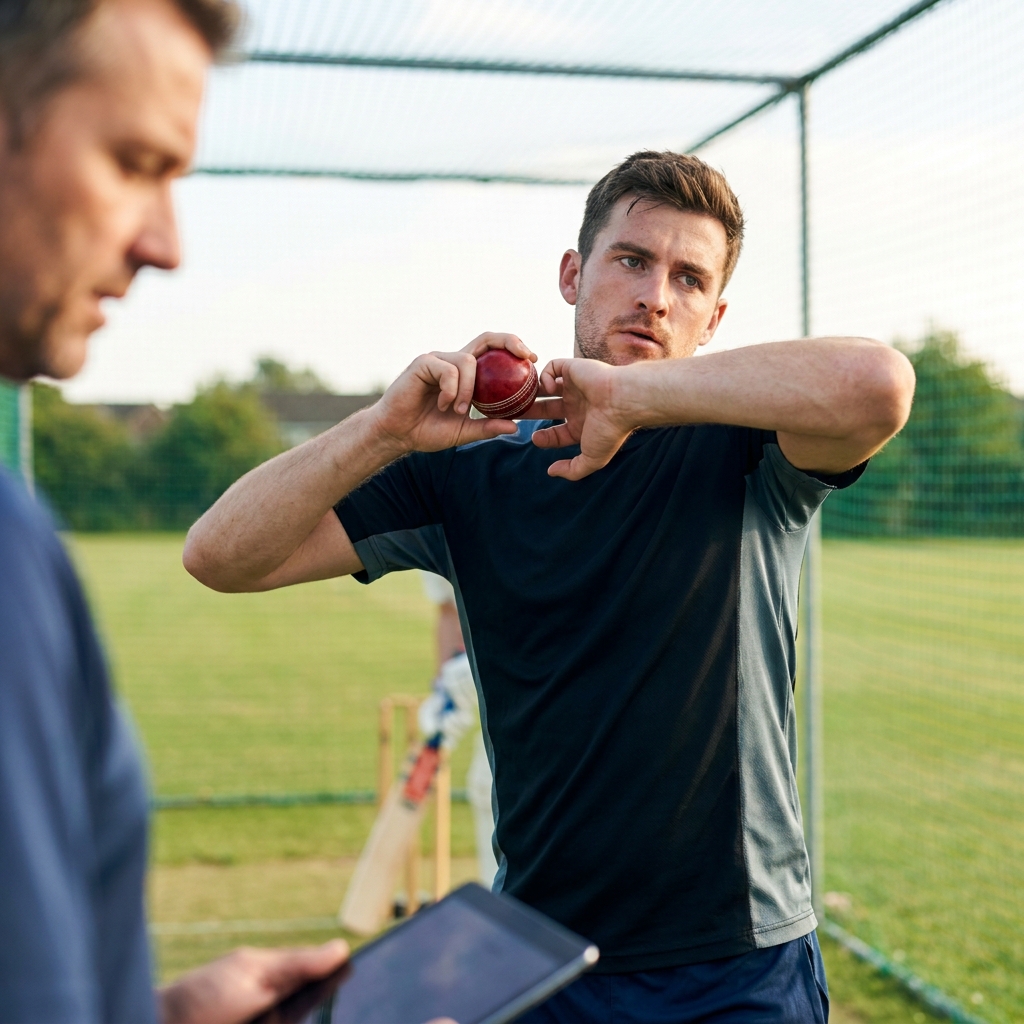
The covers are on and the last tea has been served. What your club does between now and April decides how the next season starts. Here is a simple, honest winter plan for players, bowlers and juniors.
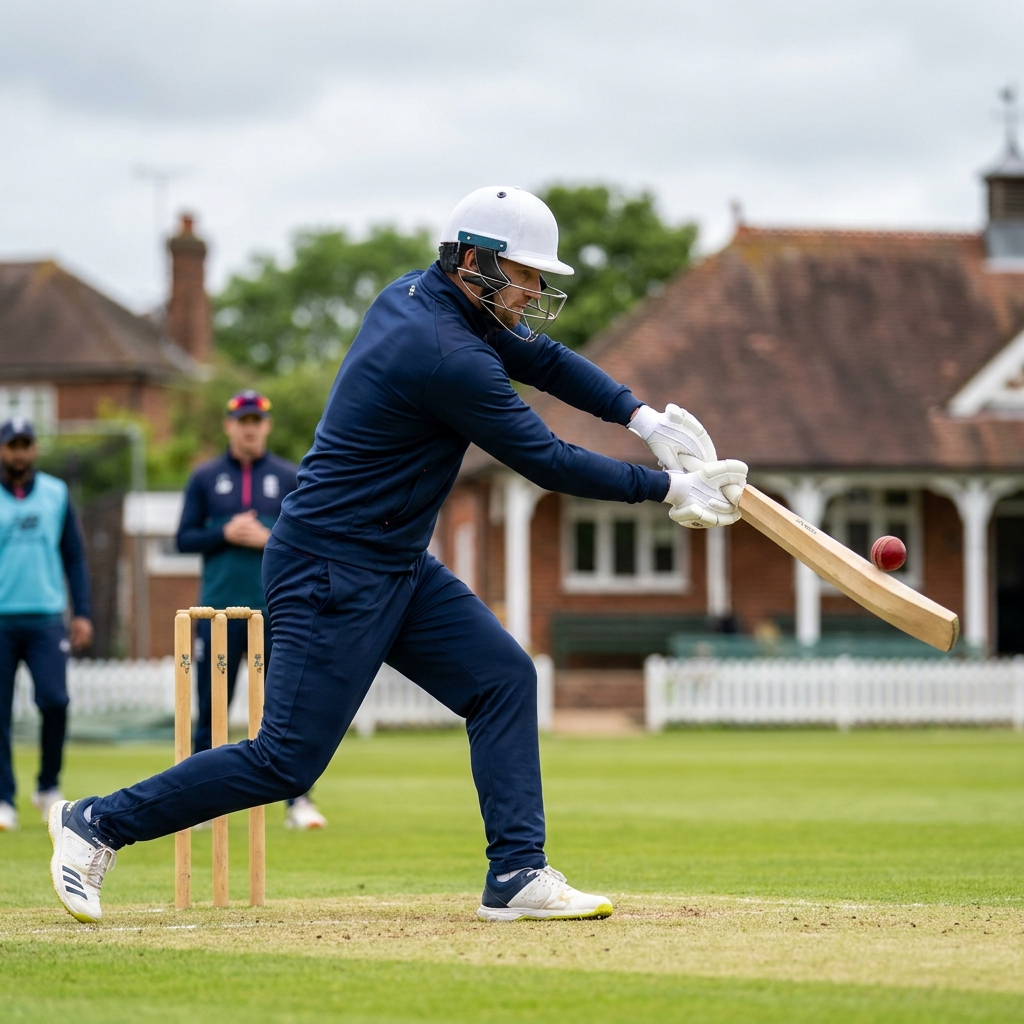
August is when seasons are decided, and most club games are lost chasing rather than setting. Give your batters a framework for the chase and you win the close ones.


Register for FREE and get coaching tips, top drills, session and more every week!