Physical Game - Tactical elements
Equal number of players One team bats other bowls under arm. There will always be less number of bats then players.
Aim- Bowlers have to take wickets, every time they do the coaches remove 1 bat. A wicket is either a catch or stumps being hit by the bowler only.
Bowlers change round every ball but can only bowl in the bowling circle, only one bowler at a time in the circle.
Batters go to the 2 pairs of stumps they have to run whether they hit the ball or miss. Bowlers can bowl at any time even if the batter is not there.
So batters have to hit the ball well enough and in the gaps for them to run around the yellow cone behind the wick keeper and pass their bat on to the next team mate without a bat.
Game is over when all bats have gone.
Score is only counted when down to 3 bats then switch over.
Wicket keeper is a coach as can throw a missed ball back to make the fielding team run around more.
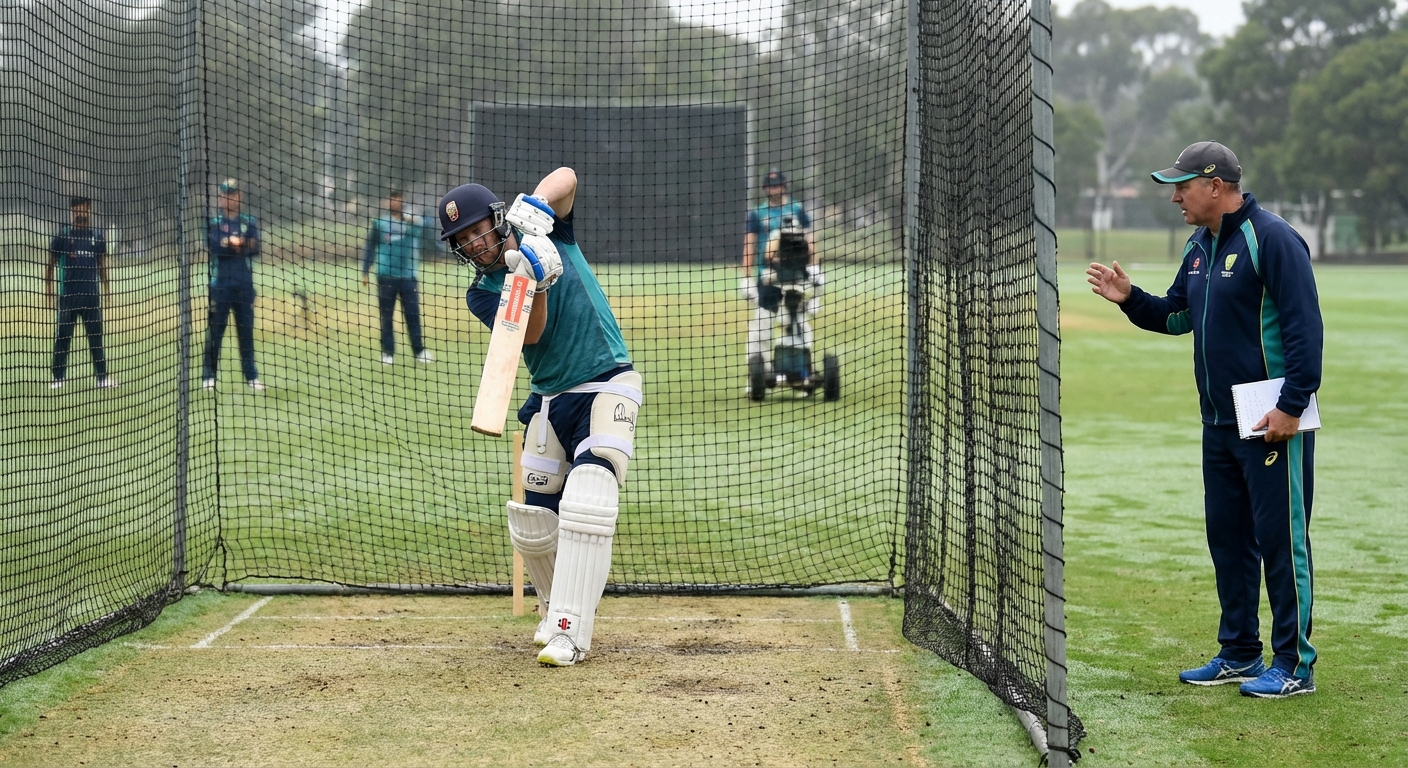
Pre-season is the best time to rebuild and refine batting technique without the pressure of match results. This article covers the fundamental batting positions that underpin consistent run-scoring, provides a progressive session framework from shadow batting to live bowling, and highlights the common pre-season mistakes that coaches should avoid.
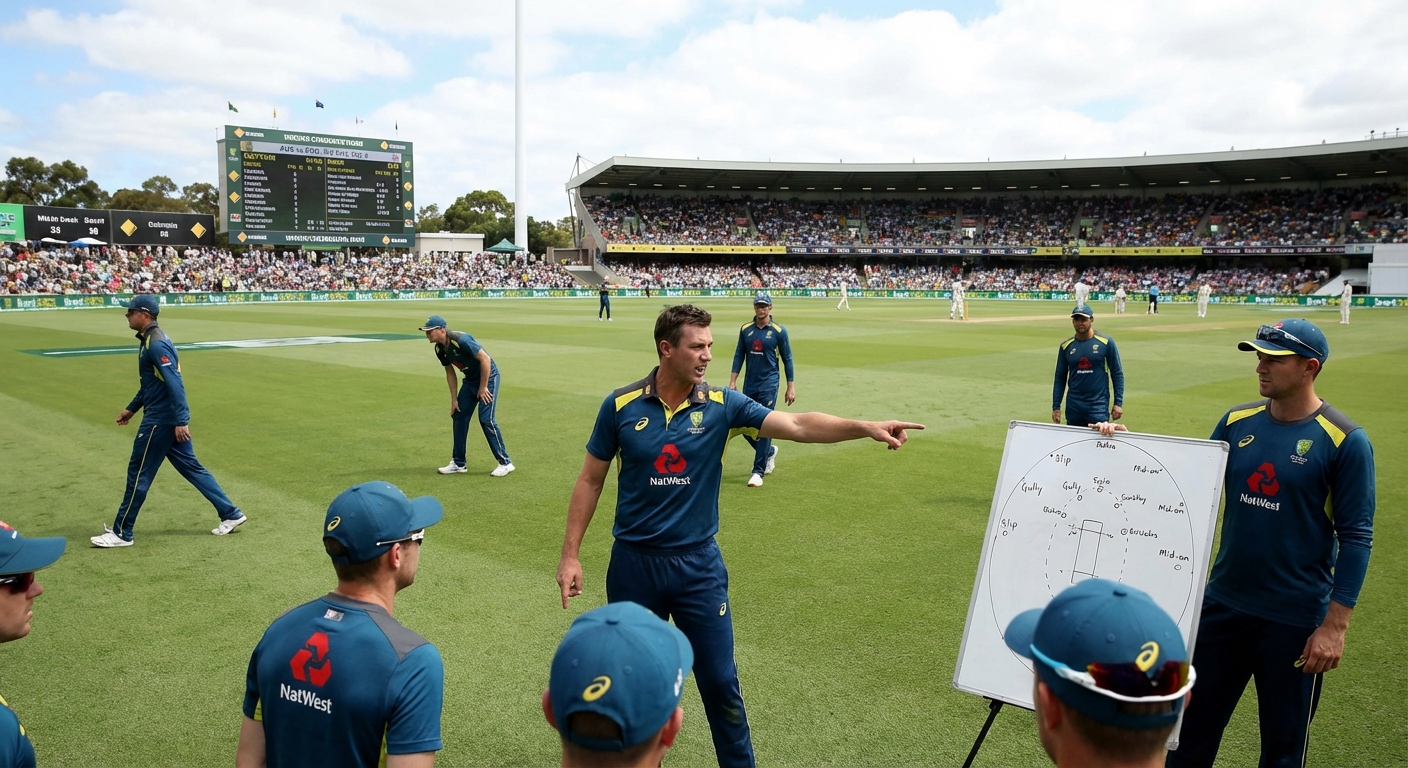
Fielding placement in limited overs cricket is a tactical chess match that changes with every phase of the innings. This article breaks down how captains should set fields during the powerplay, middle overs, and death overs, and provides practical coaching sessions for developing game-aware fielders who anticipate rather than react.
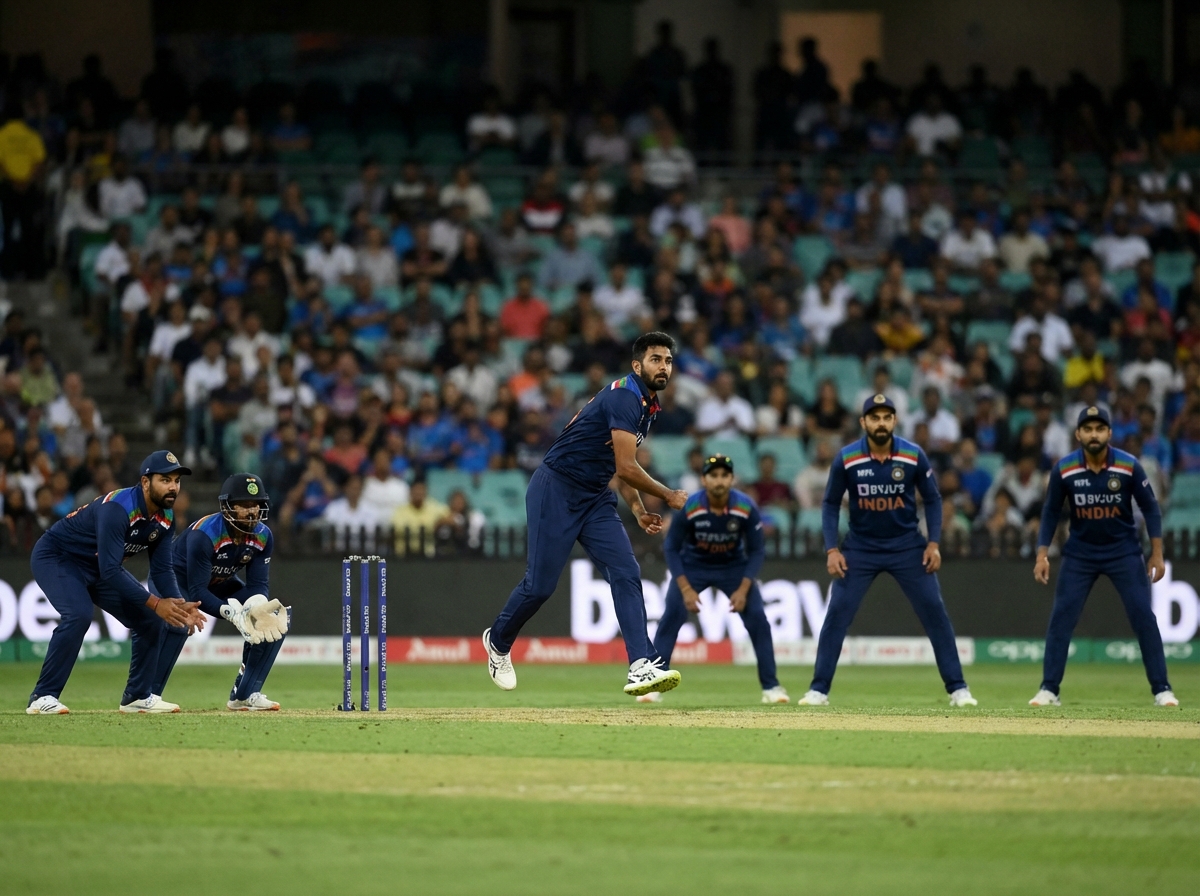
With IPL 2026 starting this month, we break down the art of powerplay bowling - field placement, line and length, and how to turn the fielding restrictions to your advantage.


Register for FREE and get coaching tips, top drills, session and more every week!