

what is the grip for hitchhkers thumb?
what's the grip for hitchhkers thumb?


Hi Anil,
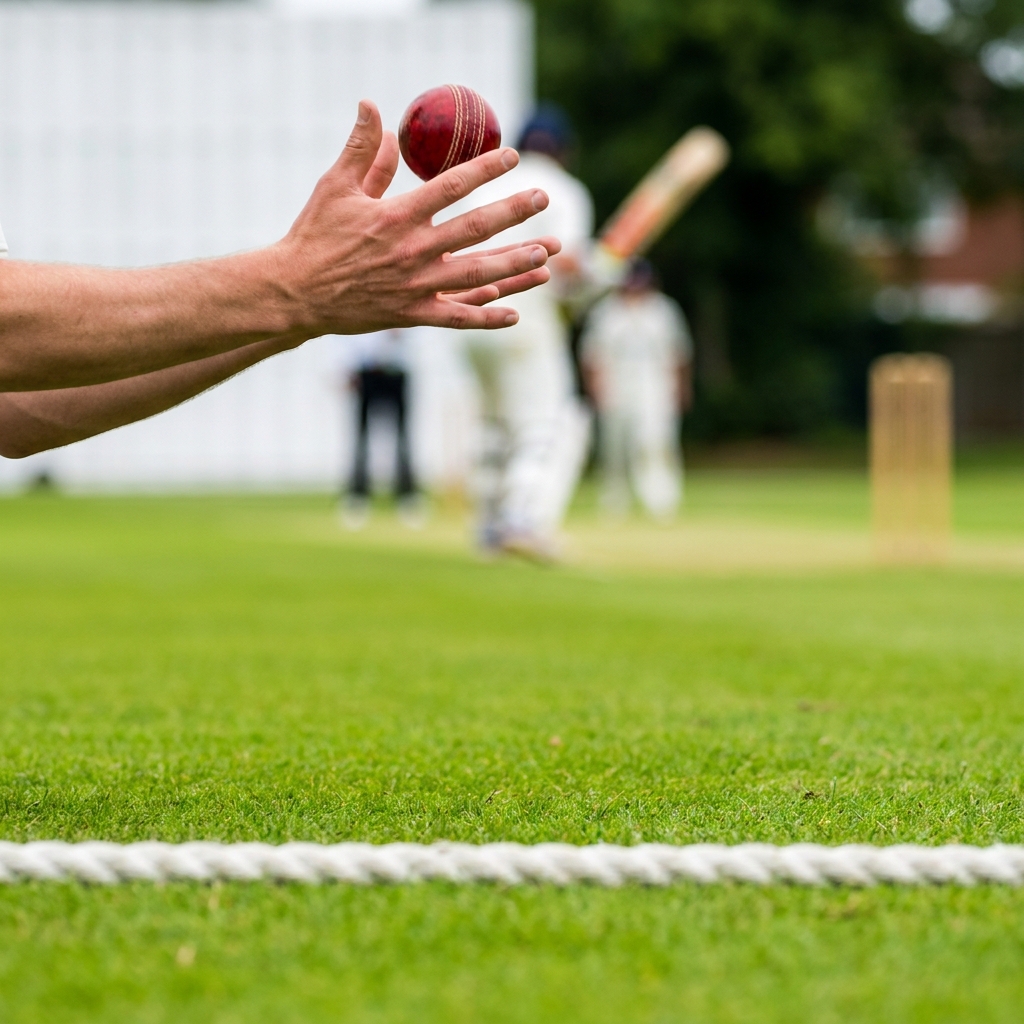
In cricket, the grip for a hitchhiker's thumb or "V" grip is a technique used by bowlers to generate swing or seam movement on the cricket ball. This grip allows the bowler to make the ball move in the air, making it difficult for the batsman to predict the ball's trajectory.
Here's how the grip works:
Hold the cricket ball with your index finger and middle finger on one side of the seam. These two fingers are usually close together and placed along the seam of the ball.
The thumb is placed on the other side of the seam, forming a "V" shape with the index finger. This grip allows the bowler to create uneven pressure on the ball while it's in the air.
By using the "V" grip and positioning the seam in a specific manner, the bowler can influence the ball to swing or seam in one direction or the other. It can move either away from the batsman (outswing) or towards the batsman (inswing), or it can even deviate off the pitch after hitting the ground (seam movement).
The key to successfully using this grip is to practice and master the control of the seam and the pressure applied by the fingers and thumb. Bowlers often use this grip in conjunction with their wrist position, seam orientation, and body movement to get the desired movement on the ball.
It's important to note that using a hitchhiker's thumb grip is not the only way to generate swing or seam movement, and different bowlers may use variations of this grip to suit their playing style and conditions. Additionally, the effectiveness of this grip can depend on the type of ball being used, pitch conditions, and the skill of the bowler.
Hope this helps.
Archie