

what are the ways to stop getting the ball in the air?
what are the ways to stop getting the ball in the air as a batsman?


Hi Amit,
I've just had a look in the Answers archive and found this really good answer which looks at how to stop players hitting the ball in the air.
Hope this helps,
The Sportplan team.

I havent answered this question yet so i thought i would have a go at it.
There are some simple guidelines i follow when coaching kids and even young adults when it comes to keeping the ball on the ground.
Please note that when i coach younger kids i am less concerned about the more technical side of batting and more concerned about them enjoying their cricket.
From a technical side%3A
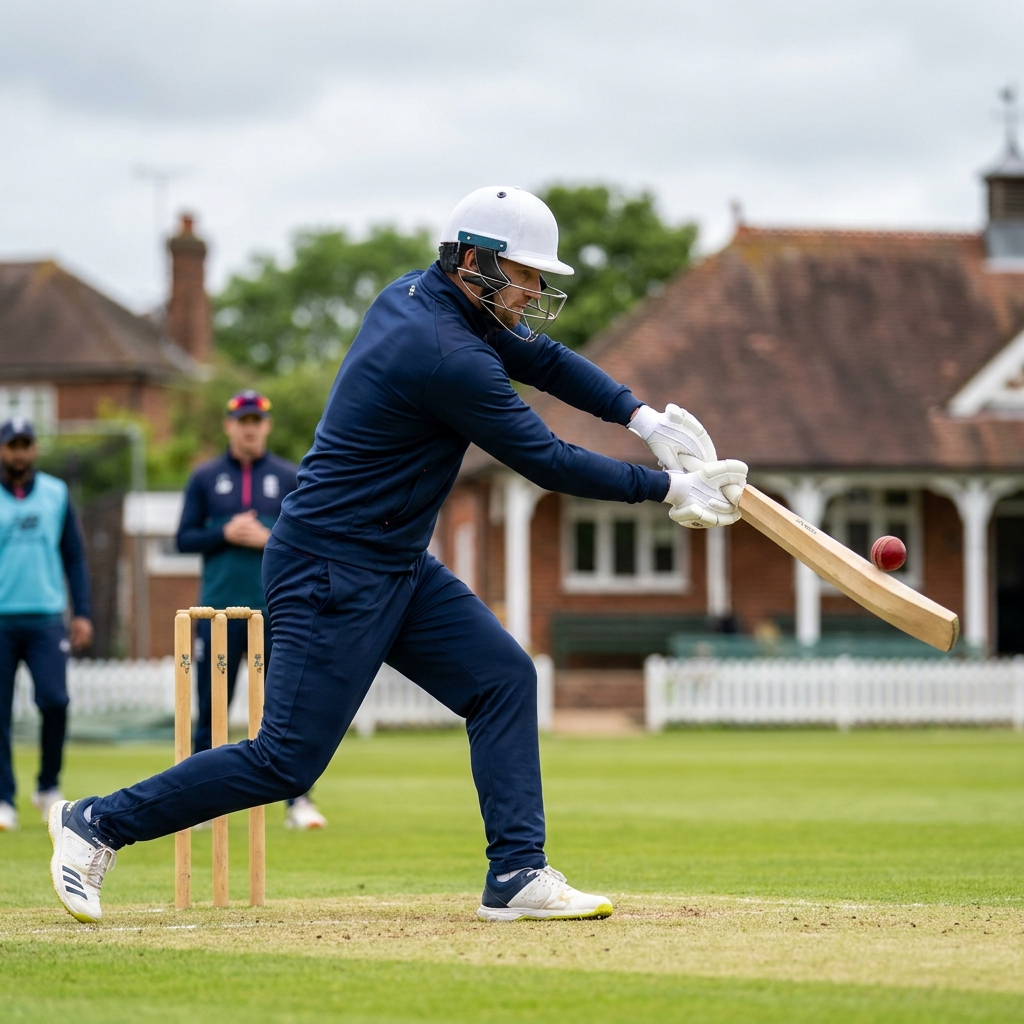
-1. Stronger top hand and weaker bottom hand will almost make it impossible to hit the ball in the air. (There are numorous methods to achieve this. I usually put a squash ball in the palm of their hand).
-2. Weight coming forward during shot. (You will almost certainly notice that when the batsmen hits the ball in the air, they are usually leaning back).
-3. Head position. (Needs to be down and still. If i find a batsman having trouble doing this, I make him tuck his head into his front shoulder when facing up).
Together these guidelines will not only stop a batsman from hitting the ball in the air, but will generally improve their batting as a whole.
When it comes to the younger ones i just always make sure they are hitting the ball on the off-side. Most kids who are right-hand dominant and bat right-handed usually hit everything with their bottom hand thus hitting everything on the on-side.
As long as the kids are still enjoying their cricket you can try some of the above techniques. But dont get too serious.
With my 8 year old son who is right-handed and a right hand bat, i make a game with him which involves playing tennis wrong-handed. This strengthens his non-dominant hand and if i can get him playing back-hands with his left hand, it mimics a cricket shot.
Sorry to be so long-winded. I hope this helps.