

Why are game sense activities important?
Question 1: Why are game sense activities important? Please give 2-3 examples relating to Game sense. Question 2: Please explain 4 areas you need to consider when planning a game-specific session.


Hi Raja,
Game sense is vital in all areas of the game.
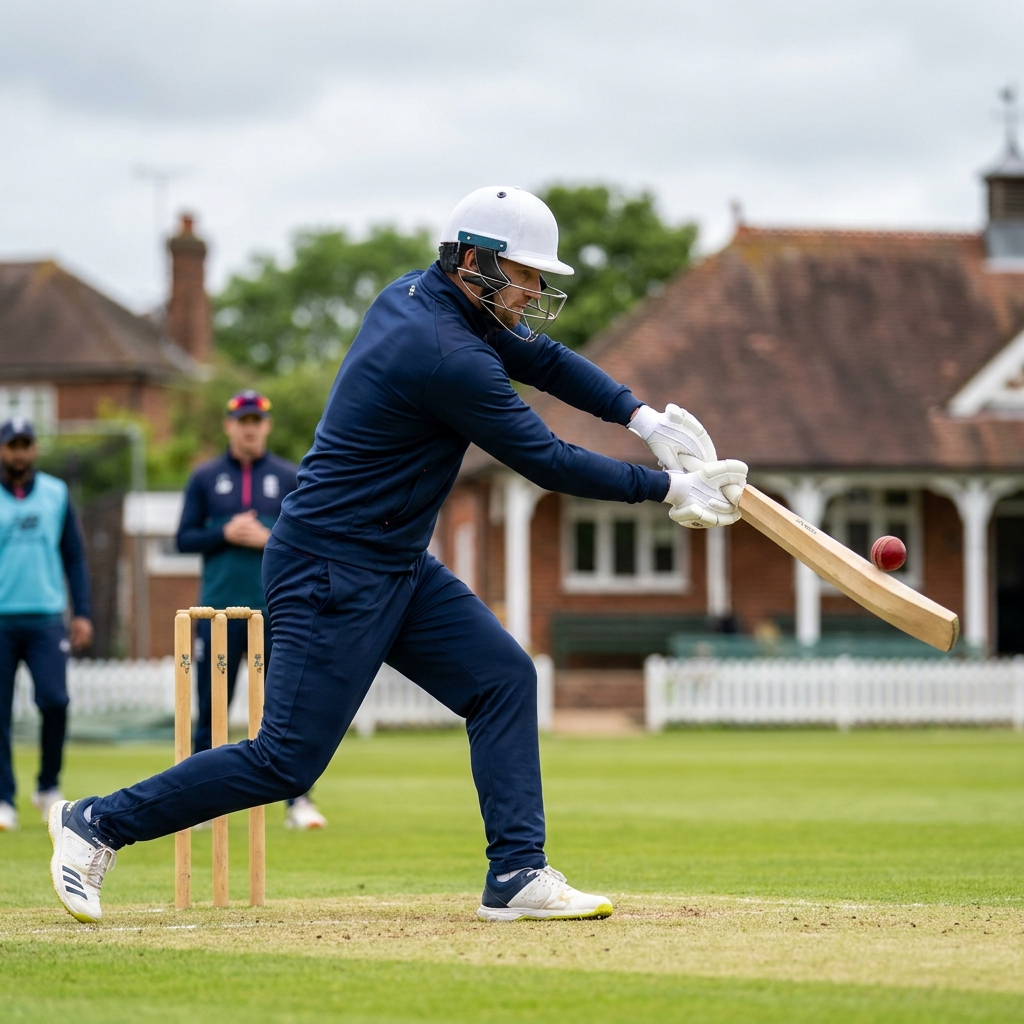
As a batsman, you need to know when to knuckle down and protect your wicket or that you need to pick the run rate and start looking for boundaries.
As a bowler, you need to know when to bowl full and straight in the block hole nearer the end of the innings and the batsman is looking to hit boundaries. Or if you need to chuck some out a bit wider to get them playing some shots to look for the edges instead.
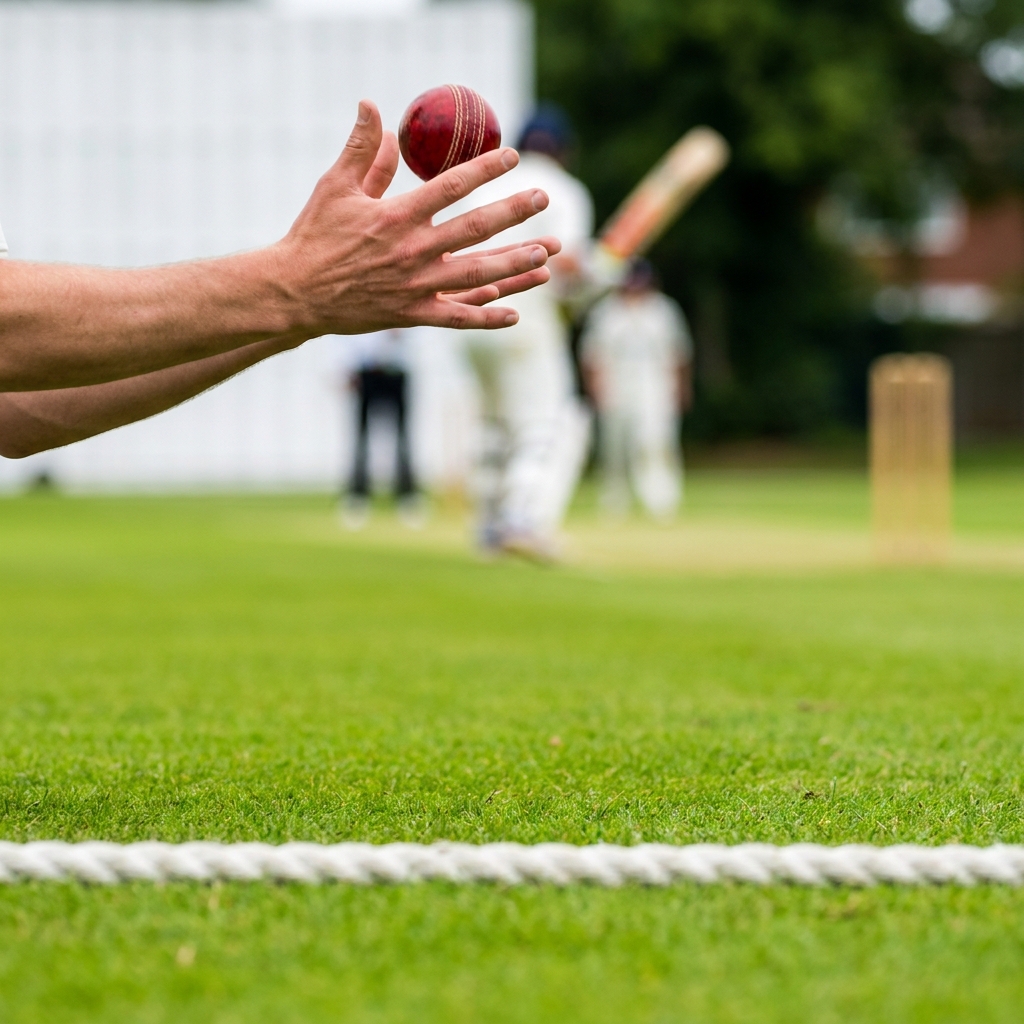
Also as fielders, having the game sense to know which end to throw to for a run out, whether to have a shy at the stumps or actually to just hold onto the ball and not risk over throws.
Most vitally, is the captains game sense. Knowing which bowler to throw the ball to to get the team a wicket and how to set the field depending on the state of the game.
Those four points above are all aspects that you should focus on. Perhaps have stations for each part of the game.
BATTING
Set players scenarios and make them play the situation using their game sense to dictate how they approach it. For example, they have one wicket left but need just two runs from the final over etc.
BOWLING
They`re bowling half way through the innings and although the batters are not scoring quickly, they`re also not playing at many balls so not giving away many chances. Get them thinking about how they need to adjust their lines and lengths to get the batters forward and playing some shots.
FIELDING
The batters are taking quick singles in order to up the run rate but are still a long way off reaching the target. Should we be trying to run them out, if so which end should they throw at. Or does the team need to just allow the singles and not give away extras with silly over throws?
I hope this helps!
Hi Raja,
Game sense is vital in all areas of the game.
As a batsman, you need to know when to knuckle down and protect your wicket or that you need to pick the run rate and start looking for boundaries.
As a bowler, you need to know when to bowl full and straight in the block hole nearer the end of the innings and the batsman is looking to hit boundaries. Or if you need to chuck some out a bit wider to get them playing some shots to look for the edges instead.
Also as fielders, having the game sense to know which end to throw to for a run out, whether to have a shy at the stumps or actually to just hold onto the ball and not risk over throws.
Most vitally, is the captains game sense. Knowing which bowler to throw the ball to to get the team a wicket and how to set the field depending on the state of the game.
Those four points above are all aspects that you should focus on. Perhaps have stations for each part of the game.
BATTING
Set players scenarios and make them play the situation using their game sense to dictate how they approach it. For example, they have one wicket left but need just two runs from the final over etc.
BOWLING
They`re bowling half way through the innings and although the batters are not scoring quickly, they`re also not playing at many balls so not giving away many chances. Get them thinking about how they need to adjust their lines and lengths to get the batters forward and playing some shots.
FIELDING
The batters are taking quick singles in order to up the run rate but are still a long way off reaching the target. Should we be trying to run them out, if so which end should they throw at. Or does the team need to just allow the singles and not give away extras with silly over throws?
I hope this helps!

what is bad pach,why dose a palyer fail to score again and again ,with holding perfect tecknique