

Lesson plan for 5 year olds
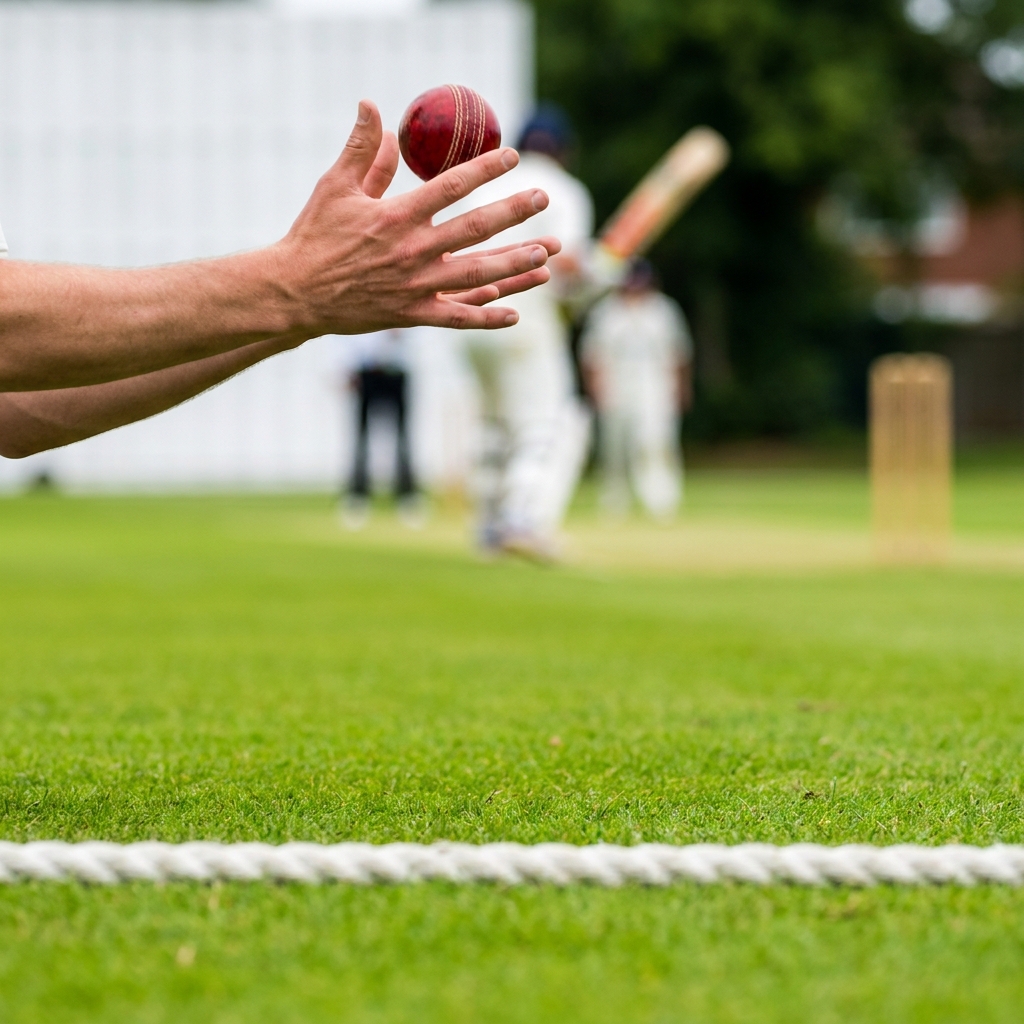
Hi, can anyone help me with a basic plan for a first session with 5 to 7 year olds in throwing and catching?

You could start off with a version of Poison Ball using a tennis ball or some other soft ball of similar size. You start with 2 kids about the length of a cricket pitch apart (or closer if they can`t throw that far). The rest of the kids are put in between. The aim of the game is to throw the ball and hit someone from the group in the middle. If the ball hits one them they are out of the game and stand over on the sidelines. If someone from the middle catches the ball they can call someone from the sidelines back into the group. The game eventually ends if either the last person is hit or the last person catches the ball and then everyone comes back into the game. The last 2 people out become the new throwers. If one of the 2 throwers, throws to the person on the opposite side and he catches it, he can yell out "freeze". This means that everyone in the middle group cannot move at all and the thrower has a free shot. If the target person is hit or moves he is out. If he uses his hands to shield himself from being hit then he will be out, but can still protect himself. Decide before you begin the game whether head shots count.
If you are after information on coaching drills for young kids then, 101 Youth Cricket Drills for age 7 to 11 by Luke Sellers is a good place to start. He also has a book by the same name for age 12 to 16. The ebook version is cheaper at around $16 and you can print out the drill you need and take it to your training session.
great help, many thanks Neville