TRANSFORM YOUR TEAM'S SEASON WITH PROFESSIONALLY PLANNED SESSIONS
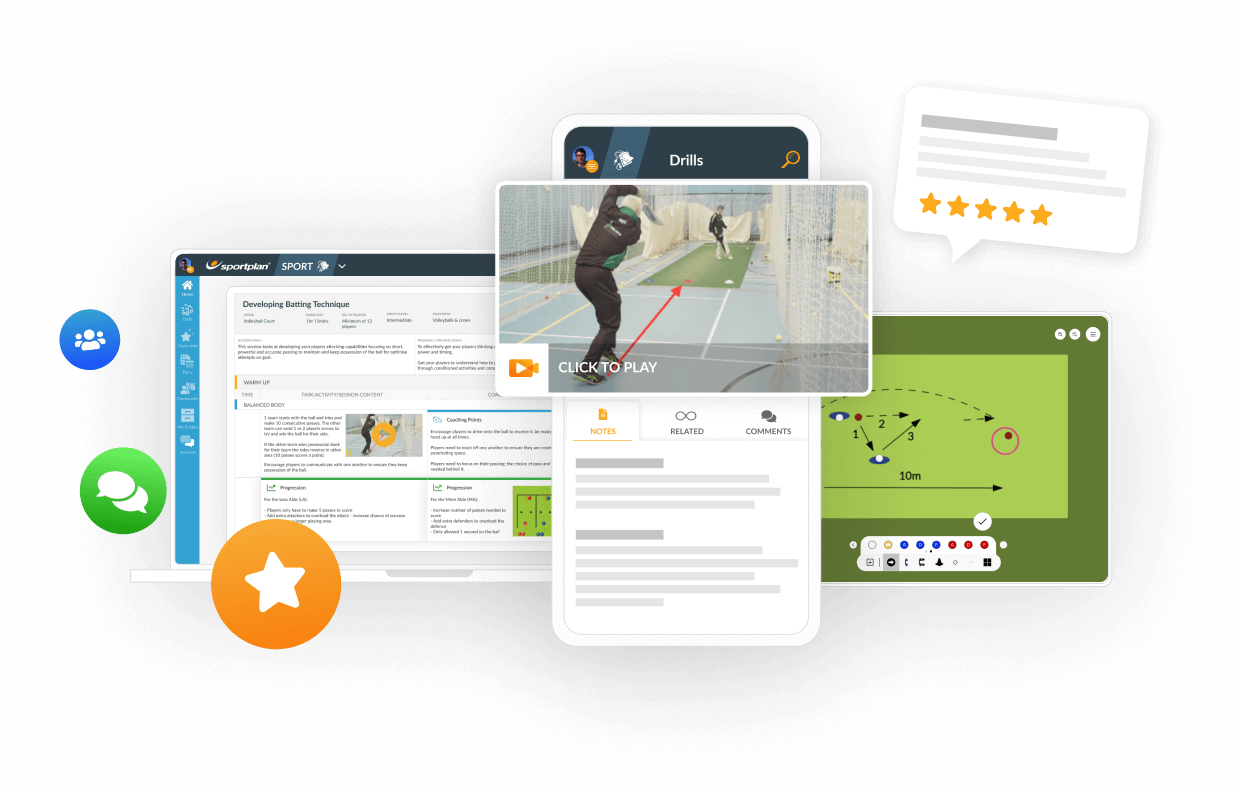
Use our expert plans or build your own using our library of over 700+ drills, and easy-to-use tools.
JOIN NOW
at what length we should defense ball on front foot
Hi Wajahat,
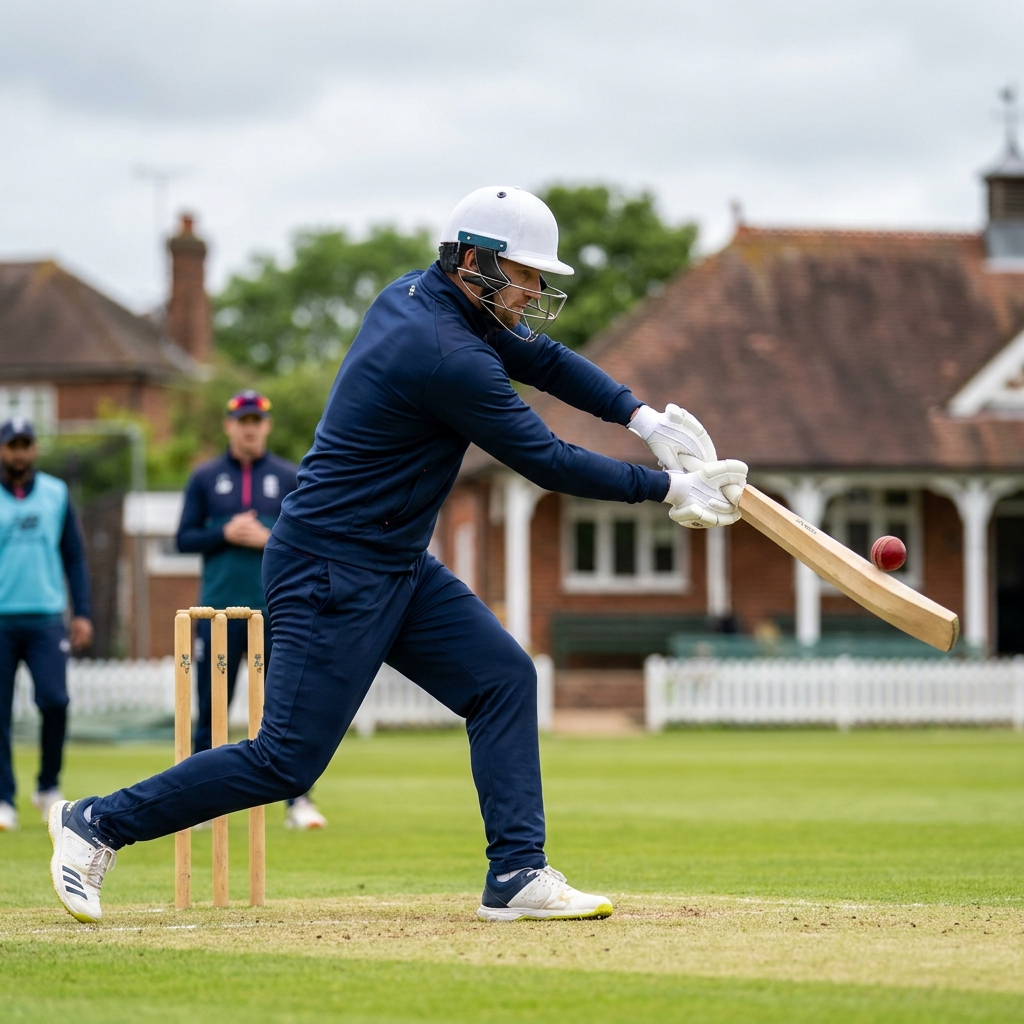
The batter tends to defend the ball on the front foot more often when the ball is bowled fuller (closer to the batter). This is as the ball has less time to bounce high up on the batter, and therefore it is easier to get forward and defend the ball safely into the ground. You would tend to defend on the back foot when the ball is balled on a shorter length.
I hope this helps,
Cam
A bowling change can dismantle a partnership, halt a run surge, or hand the match back to the batting side. This article explores how modern captains use match phases, matchup data, and rhythm signals to time their changes, with a practical framework coaches can use to develop tactical thinking in young captains at club and age-group level.
T20 data shows that teams bowling 40 or more dot balls win more than 65 per cent of matches. Strike rotation is now the most undervalued skill in batting. This article breaks down why singles matter more than sixes, the soft-hands and crease-depth techniques behind elite rotators, and a coaching framework to train relentless ones and twos under pressure.
Pre-season is the best time to rebuild and refine batting technique without the pressure of match results. This article covers the fundamental batting positions that underpin consistent run-scoring, provides a progressive session framework from shadow batting to live bowling, and highlights the common pre-season mistakes that coaches should avoid.
Use our expert plans or build your own using our library of over 700+ drills, and easy-to-use tools.
JOIN NOW