

How to practice cuts and drives towards point and thirdman?
How to practice cuts and drives towards point and thirdman area. Are there any specific drills

In both cases, you need to be in control of the ball, body balance, and your reflexes.
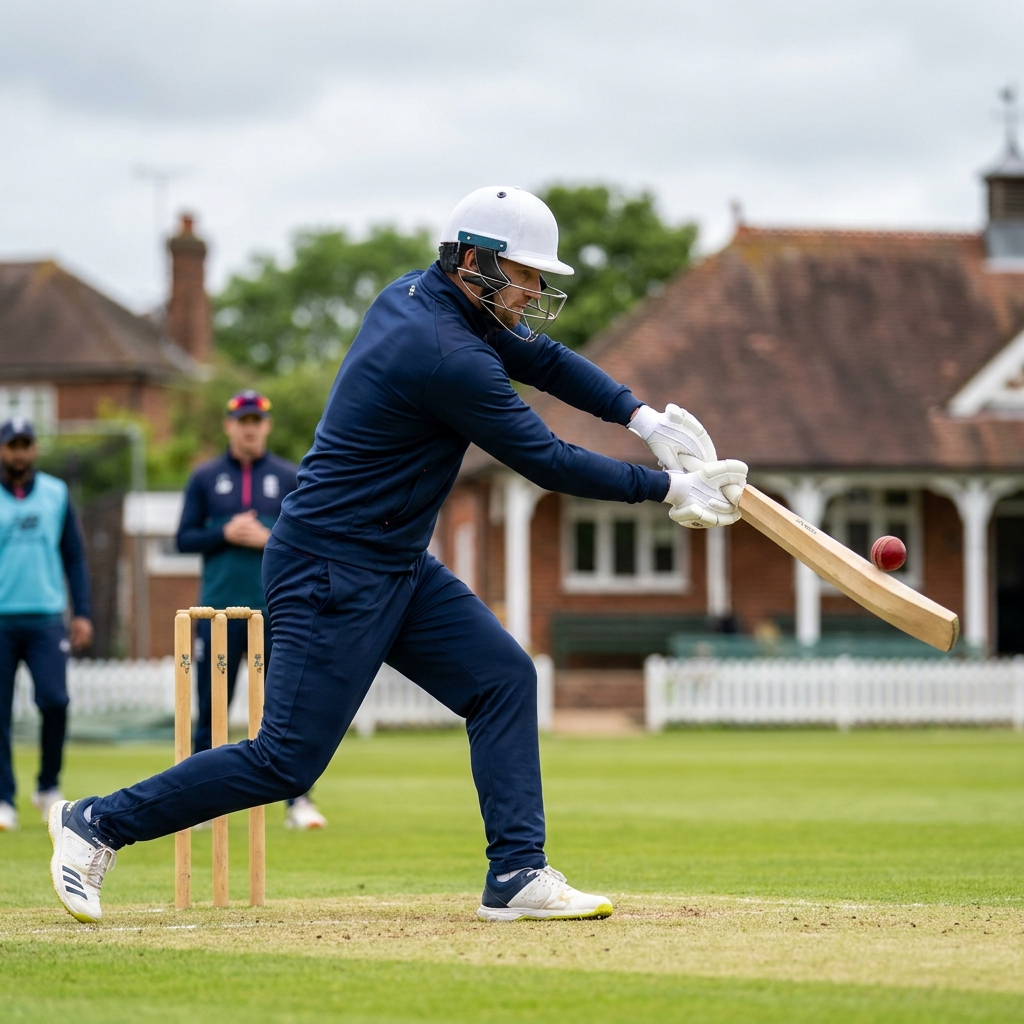
Remember, for these shorts ,you would be mostly playing with 6 inches of the bat i.e an angular or horizontal bat (not the straight bat).
So your reflexes to reach the ball should be really good. To hit the ball in the point direction, you need to mate the ball in front of the body. To hit or stear the ball in 3rd man direction, you mate the ball behind the body.
To practice these shots, wear full cricket gear ( and not just gloves as done in lot of academies). Ask your team mate to throw-down from a short distance. The bowling should be wide outside the offstump and should be pitched short of good length.
In both cases you need to go on the back foot and be sufficient near the ball (and not too close).
While hitting the ball in point direction , hit it hard while keeping the ball down (bcoz there is a point fielder always present).
For Third Man , this shot is much easier to play than square cut/drive. You need to go behind the ball on the back foot and offer some bat and some push so that ball changes direction (no one will bowl you in that line).
Practice 100 balls for each shot.You gain confidence of 10 shots.
Cheers,
Praful