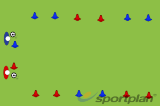
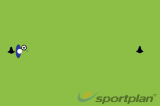
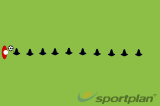
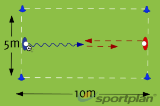
Player(s) dribble from one cone to the other.
They work on taking 2 touches backwards with the soles of one foot and push the ball forward with the interior of the other foot.
Once they reach one cone, they turn and accelerate back to the start before repeating.
Look for good body movement along with the touches, namely 2 hops backwards with the roll of the ball and a quick forward step with the pushing of the ball.
Preferrably coach 2 quick small touches backwards followed by a larger touch forward so the player(s) makes gradual forward progression with the emphasis being on good touches of the ball.
in more ways than one
 sportplan_netball

in more ways than one
sportplan_football
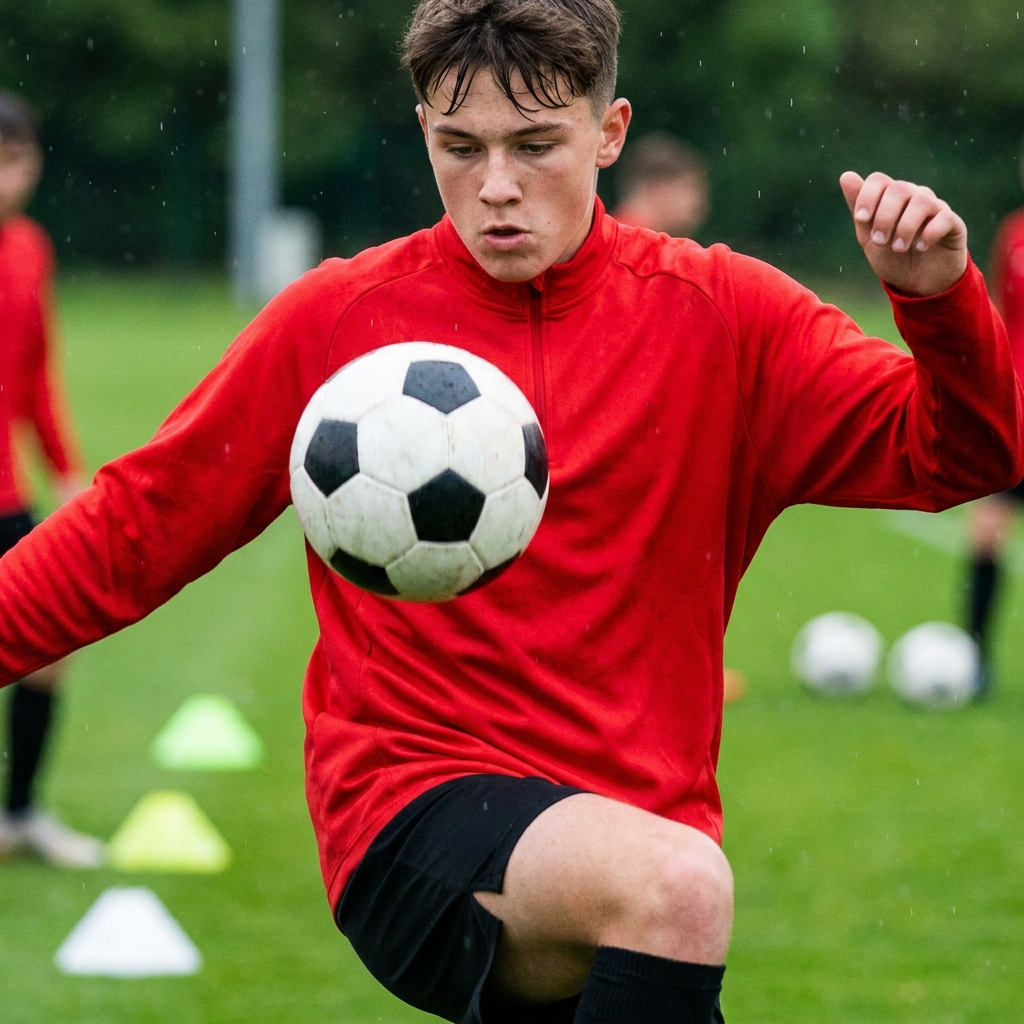
Deliberate heading is now out of U11 grassroots matches. Here is how to coach chest, thigh and foot control so your players still win the ball in the air.
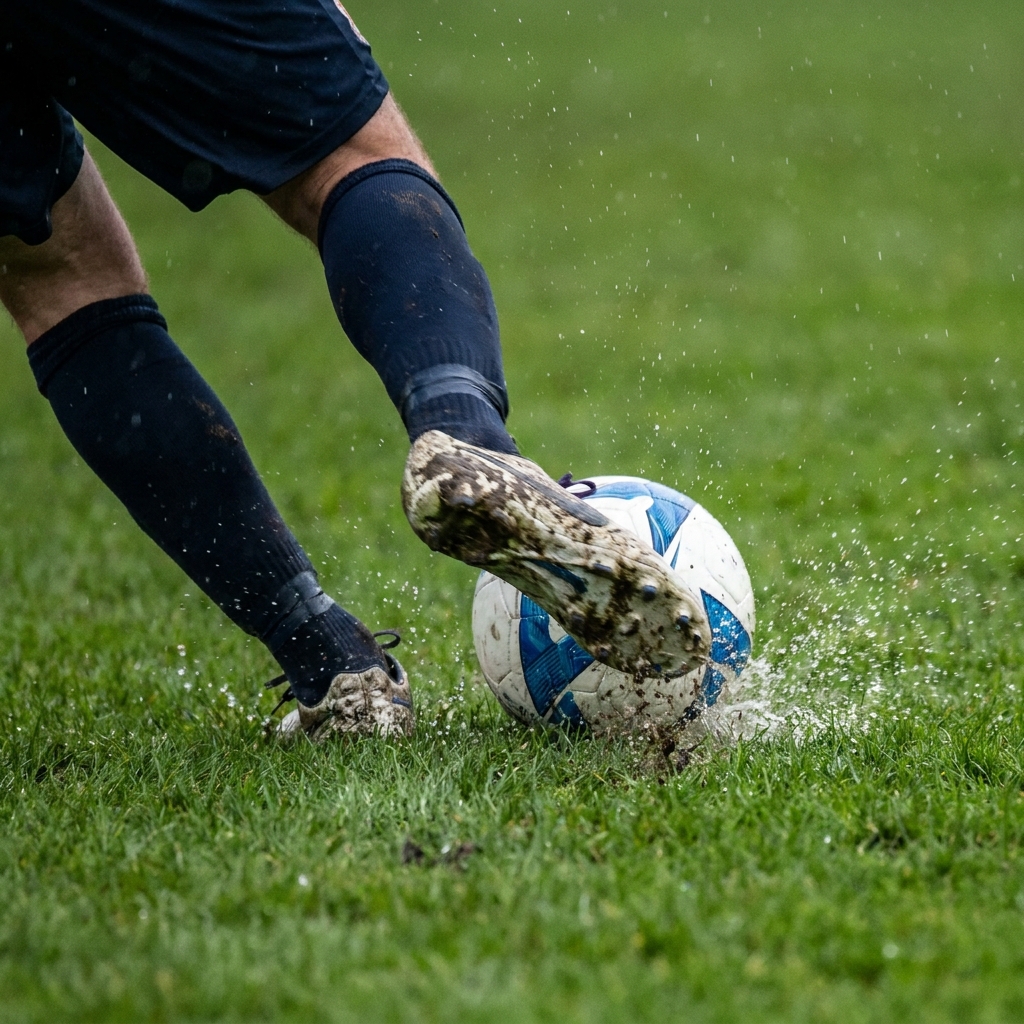
Long-range goals doubled at the 2026 World Cup as teams sat deep. Here is how to coach when to shoot from distance, the technique, and the follow-up.
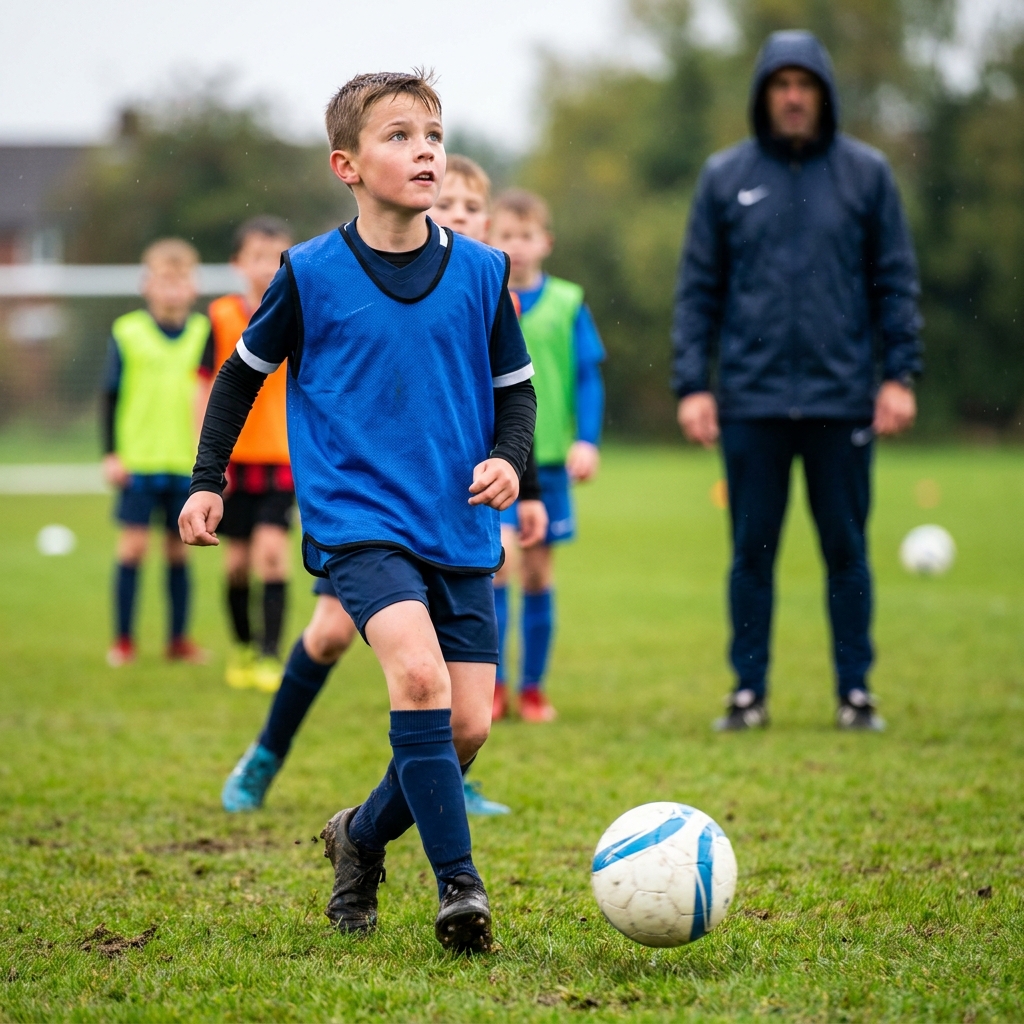
Under FutureFit, your Under-9s stay at 5v5, your Under-11s stay at 7v7 and your Under-13s stay at 9v9. Same pitch, same numbers, one more year. Here is how to make sure that year feels like a step forward rather than a repeat.