

Spin bowling has evolved significantly with T20 cricket demanding more variations and deceptive deliveries. Coaches now focus on developing spinners who can control pace, vary trajectory, and execute multiple delivery types while maintaining a consistent bowling action.
Essential Variations
Building a complete spin bowling arsenal:
Stock ball: The foundation - consistent line, length, and turn that builds pressure.
Arm ball: Goes straight on, deceiving batters expecting turn.
Carrom ball: Flicked with the middle finger for unexpected movement.
Pace variations: Subtle changes in speed keep batters guessing timing.
Off-Spin Development
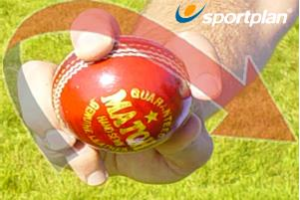
Finger position: Traditional grip with first and second fingers across the seam.
Revolutions: More spin equals more turn and bounce variation.
Drift: Making the ball move in the air before turning off the pitch.
The doosra: Spinning away from the right-hander with the same action.
Leg-Spin Craft
Wrist position: The key to generating significant turn and bounce.
Googly: The wrong'un that turns the opposite way.
Top spinner: Dips and bounces more, often taking the edge.
Flipper: Skids on low, targeting LBW or bowled dismissals.
Match Execution
Reading batters: Identifying weaknesses and preferred scoring areas.
Field setting: Coordinating variations with catching positions.
Pressure building: Using dot balls to set up wicket-taking deliveries.
Adaptability: Adjusting plans based on pitch conditions and match situations.
Key Coaching Points
- Master the stock ball before adding variations
- Consistent action hides the variation from the batter
- Revolutions determine how much the ball turns
- Practice each variation until it becomes second nature
- Develop tactical awareness alongside technical skills