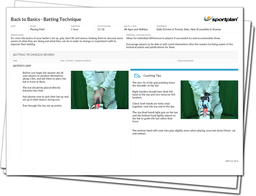
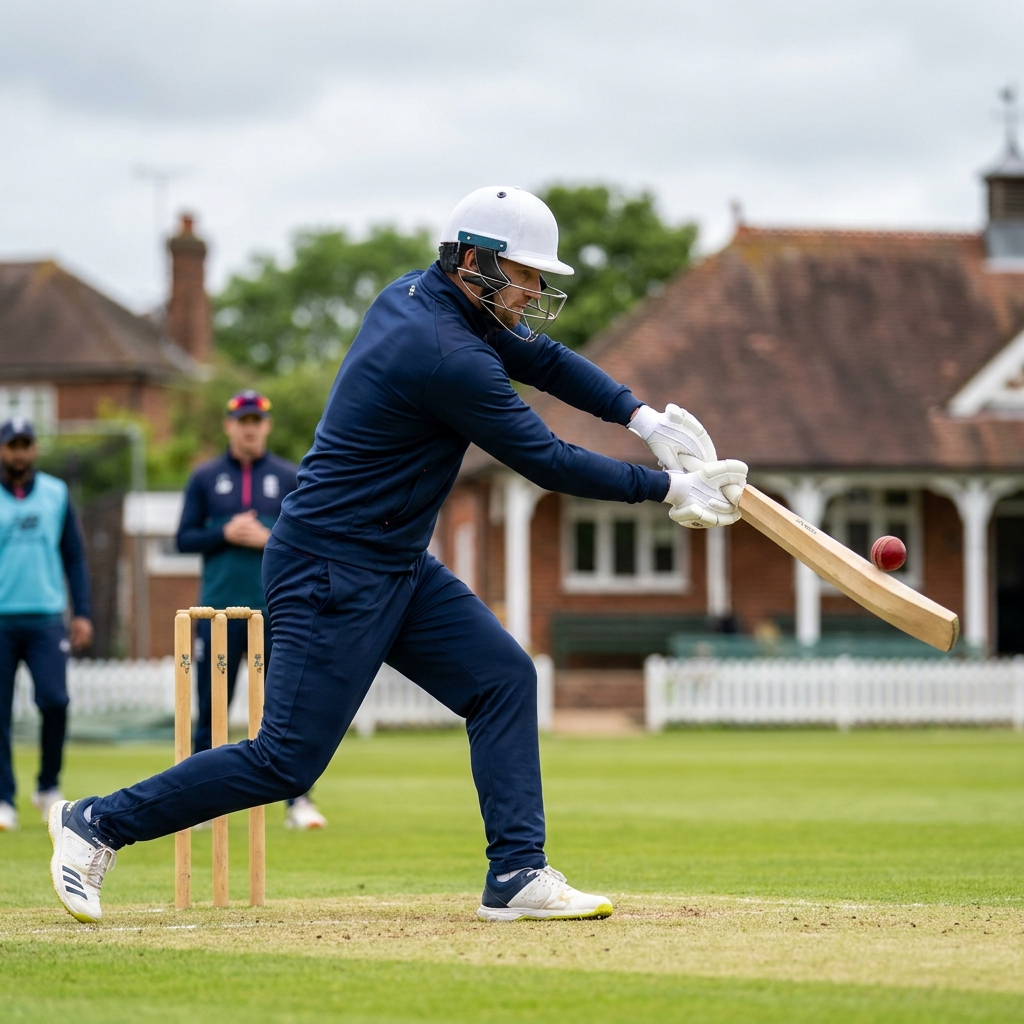
At this point in the season it's a good idea to review players' batting technique.
Many cricket coaches will tell you that most batting problems stem from a poor set-up, or stance - for this reason it's important that you take time to review the basics, with special attention on the:
Trigger Movements:
As well as looking at these batting elements, this session also looks at your players' trigger movement (aka pre-delivery). There's a lot of discussion in the cricket world about trigger movements, but most players have one, even if it's just a small shuffle of the feet. They help your players to move from their original stance into a 'ready position' as the bowler releases the ball.
Help your players to become more aware of what they're doing at the crease and help them improve their batting with this week's session.

The new Laws of Cricket are in force from 1 October 2026 and the 'bunny hop' boundary catch is gone. Here is how to coach your fielders to catch on the rope this winter.

The covers are on and the last tea has been served. What your club does between now and April decides how the next season starts. Here is a simple, honest winter plan for players, bowlers and juniors.
August is when seasons are decided, and most club games are lost chasing rather than setting. Give your batters a framework for the chase and you win the close ones.


Register for FREE and get coaching tips, top drills, session and more every week!