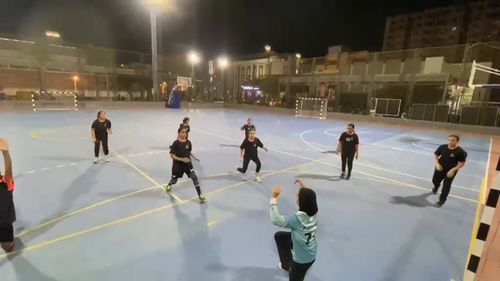
1. Î ÎÎ½Î±Ï Î±Î¼Ï Î½ÏικÏÏ ÎºÎ¬Î½ÎµÎ¹ ÏÎ»Î¬Î³Î¹ÎµÏ Î¼ÎµÏακινήÏÎµÎ¹Ï ÎµÎ½ÏÏÏ ÏÏν κÏνÏν και ο δεÏÏεÏÎ¿Ï Î±Î¼Ï Î½ÏκÏÏ Î±ÎºÎ¿Î»Î¿Ï Î¸ÎµÎ¯ ÏÎ¹Ï ÎºÎ¹Î½Î·ÏÎµÎ¹Ï ÏÎ¿Ï . 2. Î ÎÎ½Î±Ï ÎºÏαÏάει μÏάλα Ïε θÎÏη ÏÎ¿Ï Ï, ο δεÏÏεÏÎ¿Ï ÎºÎ¬Î½ÎµÎ¹ Îξοδο-εÏαÏή ÏÎ¬Î¿Ï Î», εÏιÏÏÏÎÏει με ÏίÏÏ Î²Î®Î¼Î±Ïα, ÏεÏνάει Ïον κÏνο αÏÏ ÏÎ¬Î½Ï ÎºÎ±Î¹ κάνει εÏÏμενη Îξοδο-εÏαÏή ÏÎ¬Î¿Ï Î». 3. ÎιαγÏνια Îξοδο-εÏαÏή ÏÏον ÏαίκÏη με Ïη μÏάλα, διαγÏνια εÏιÏÏÏοÏή με ÏÏÎξιμο και εÏαÏή ÏÏον κÏνο.
This practice has no coaching points
This practice has no progressions
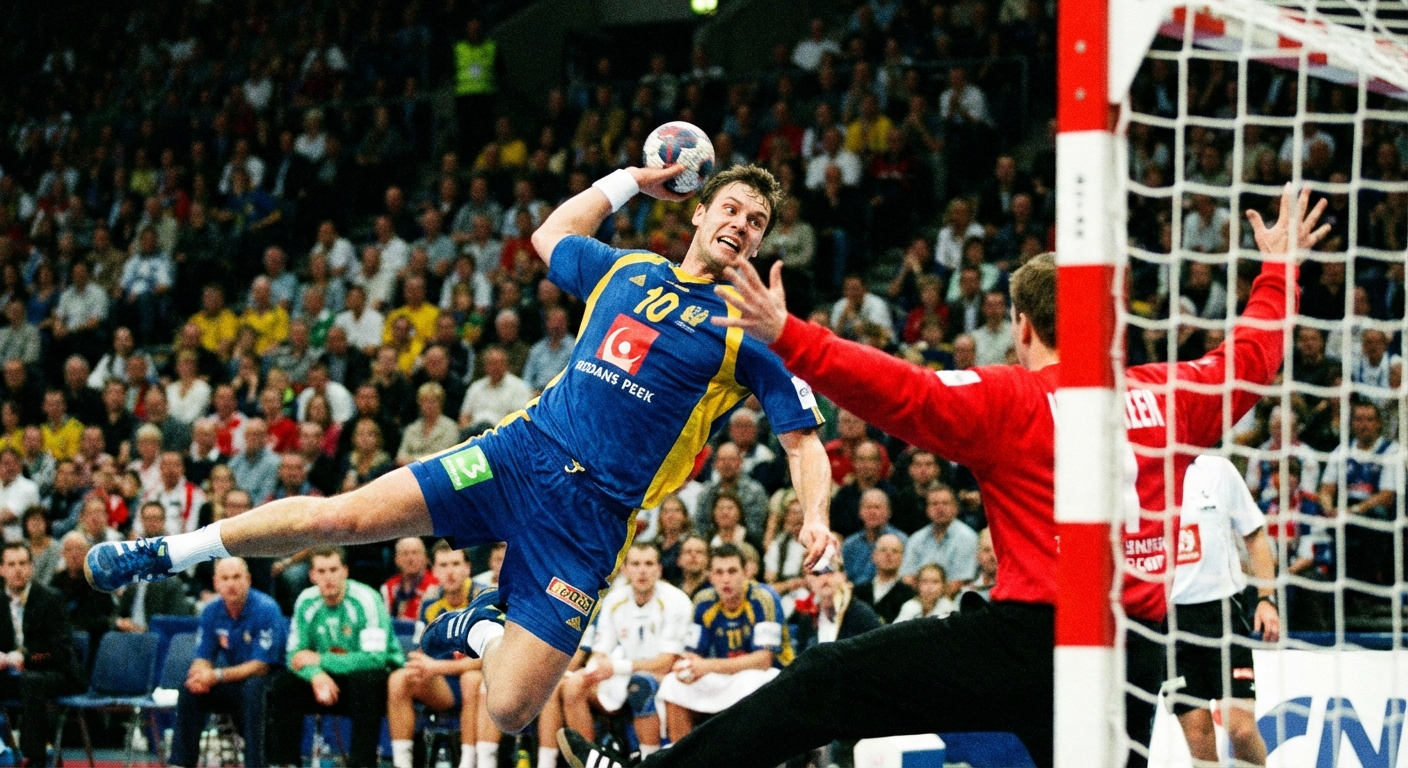
Wing players operate in the most demanding shooting position on a handball court, where acute angles and a close goalkeeper make finishing a specialist skill. This article breaks down the technique, decision-making, and training progressions that coaches need to develop elite wing finishing.
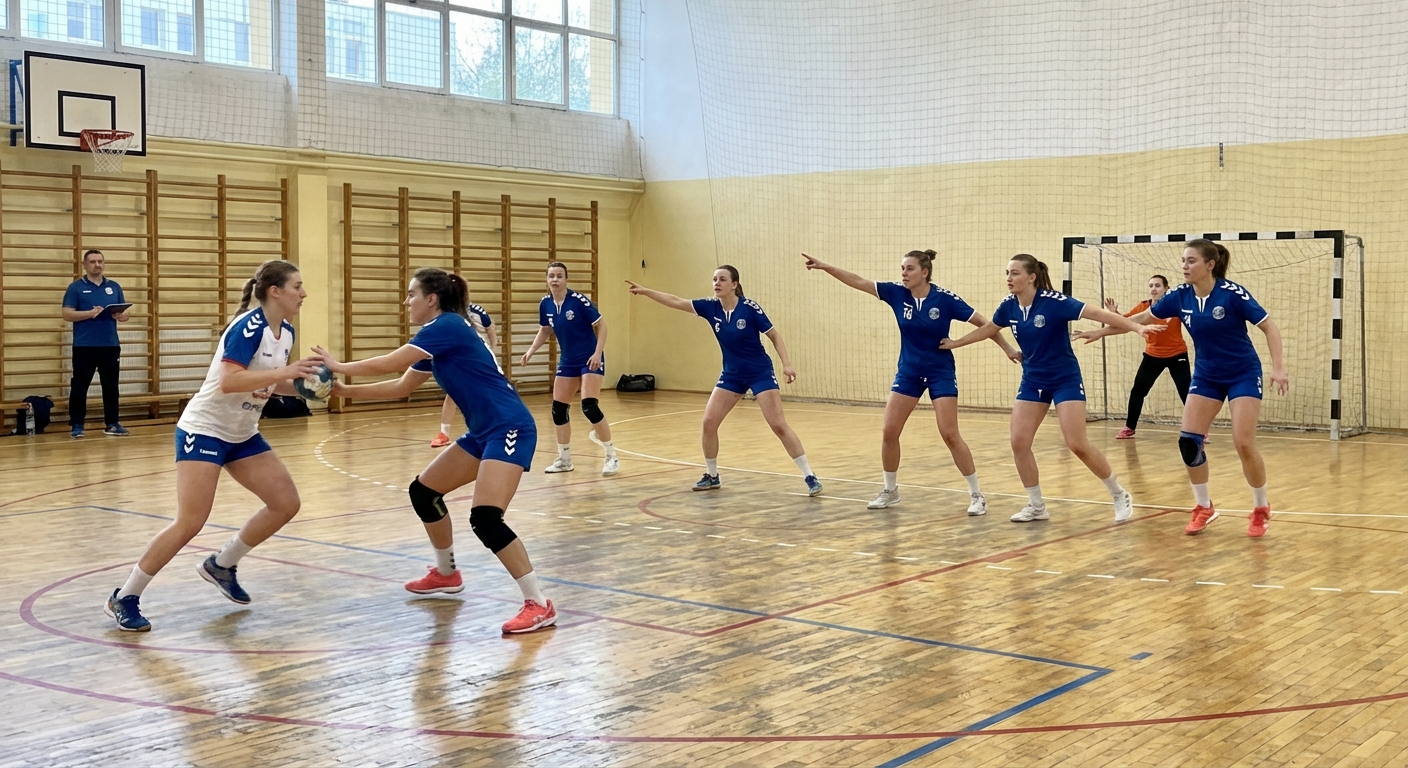
The transition from attack to defence is the most vulnerable moment in handball. This article examines the 3-second recovery principle, the specific roles players must adopt during transition, and the training scenarios that build a team's ability to recover defensive shape under pressure.
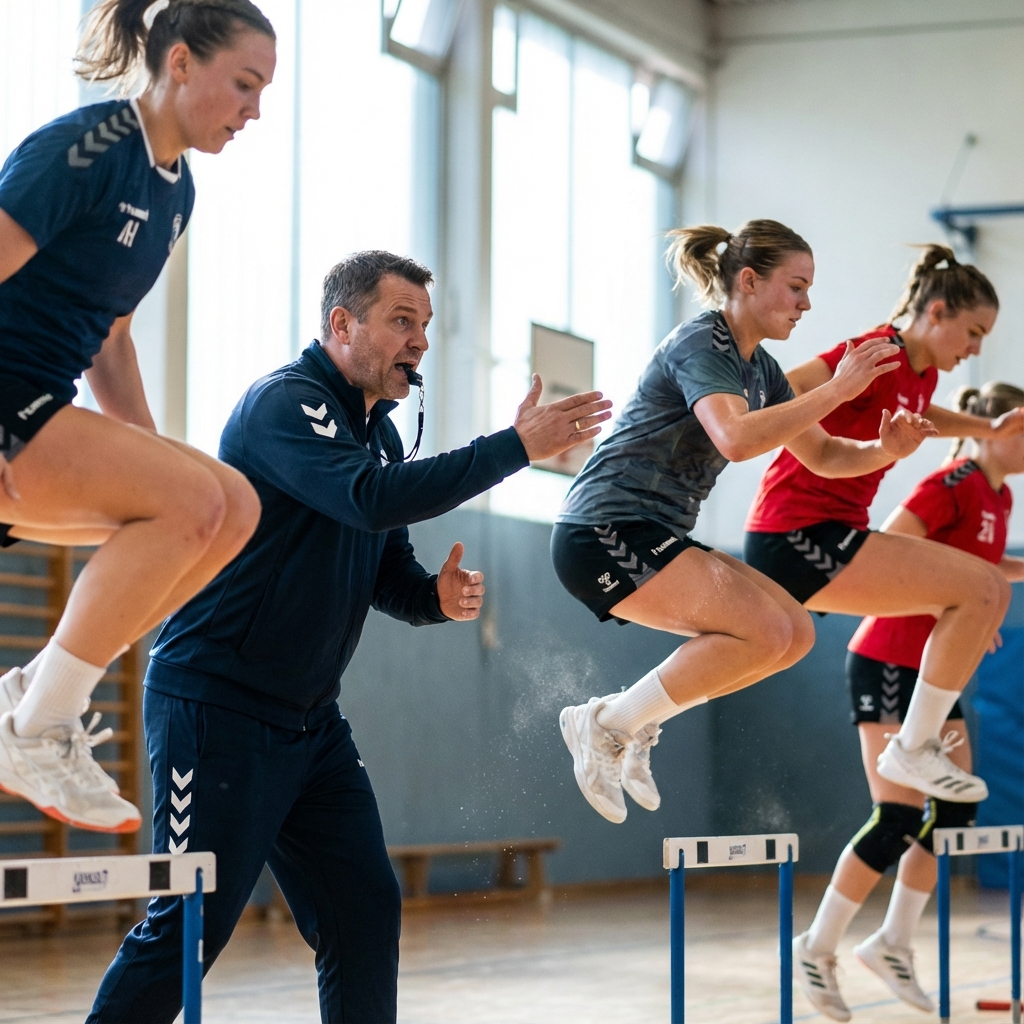
Handball demands explosive power, repeated sprint ability, and the strength to compete physically for 60 minutes. Sport-specific conditioning develops the athletic qualities that underpin elite performance.


Register for FREE and get coaching tips, top drills, session and more every week!