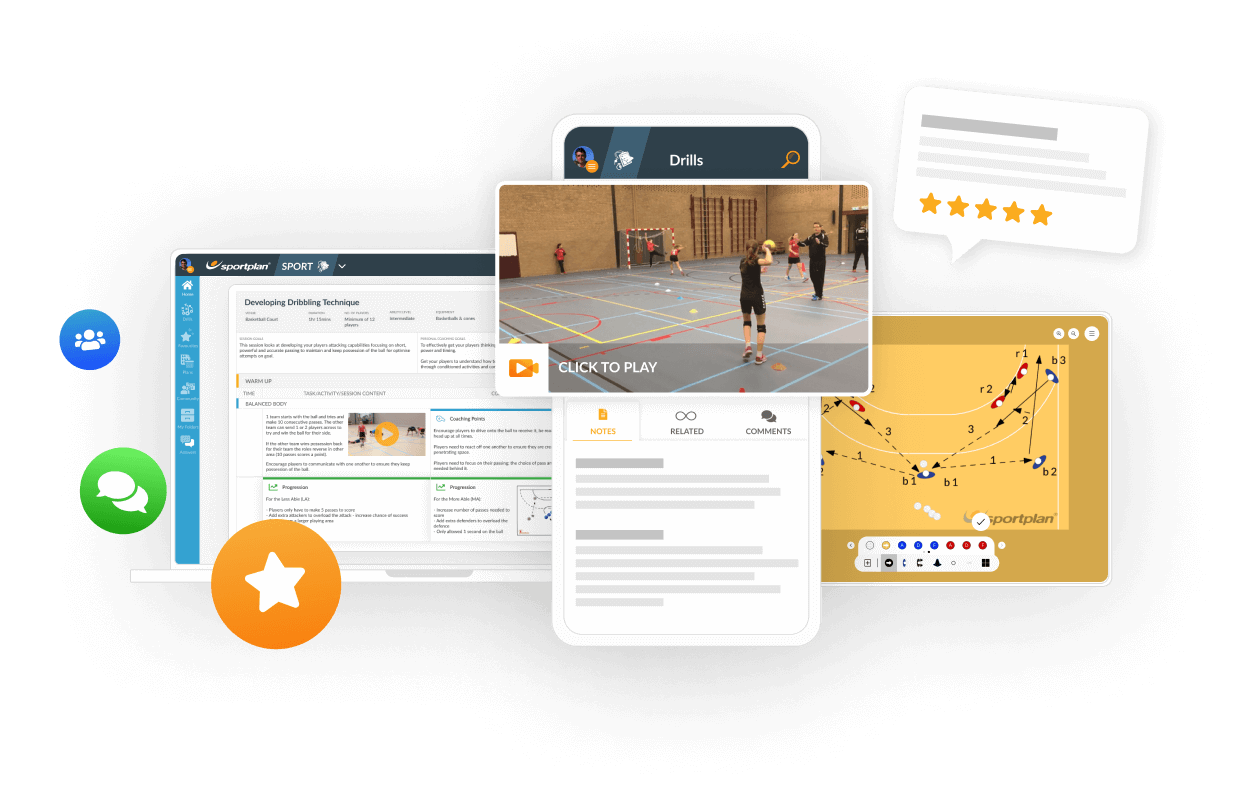
ΤοÏοθεÏοÏνÏαι 2 κÏνοι Ïε αÏÏÏÏαÏη 2 μ. μεÏÎ±Î¾Ï ÏÎ¿Ï Ï. Î ÏÏ ÎºÏαÏάει 2 μÏÎ¬Î»ÎµÏ ÏÏα ÏÎÏια ÏÎ¿Ï . ÎÎ½Î±Ï Î²Î¿Î·Î¸ÏÏ ÎÏει μια μÏάλα ακÏμα. Î ÏÏ ÎºÎ¬Î½ÎµÎ¹ κινήÏÎµÎ¹Ï Ïε 8άÏι γÏÏÏ Î±ÏÏ ÏÎ¿Ï Ï 2 κÏÎ½Î¿Ï Ï. ΠβοηθÏÏ ÏεÏάει Ïη μÏάλα ÏÏον ÏÏ, Î±Ï ÏÏÏ ÏÏÎÏει να Ïην ανÏαλλάÏÏει με μια δική ÏÎ¿Ï . ΠβοηθÏÏ Î¼ÏοÏεί να κάνει ÏÏοÏÏοιήÏειÏ, ÏÏÏÎ¯Ï Î½Î± ÏεÏά Ïη μÏάλα. Î ÏÎ¿Î¿Î´ÎµÏ Ïικά, οι ÏάÏÎµÏ Î¼ÏοÏοÏν να γίνονÏαι ÏÏο ÏÏδι και να ÏÎ¹Ï ÎµÏιÏÏÏÎÏει με Ïο ÏÏδι ο ÏÏ, αλλά και ανÏίθεÏα αÏÏ Ïην κίνηÏη ÏÎ¿Ï ÏÏ.
This practice has no coaching points
This practice has no progressions
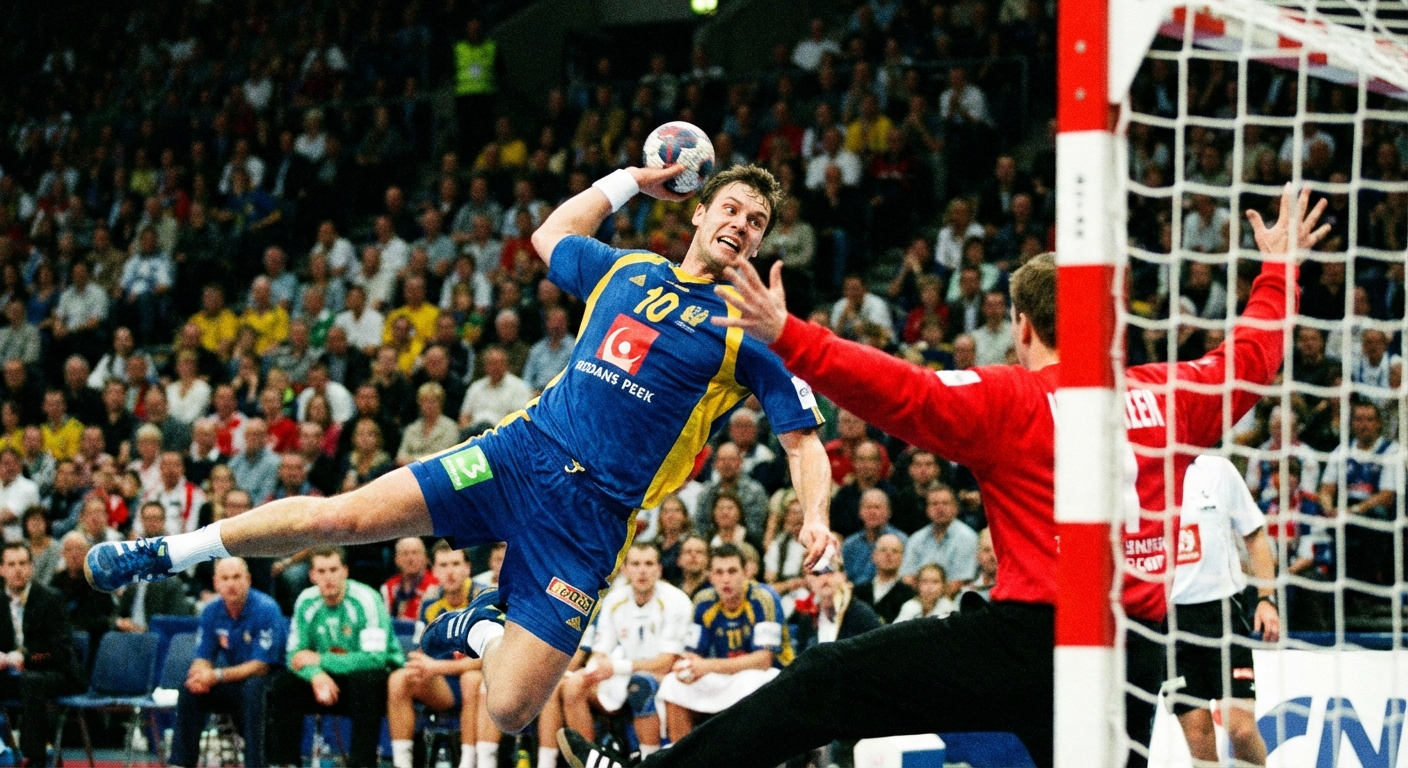
Wing players operate in the most demanding shooting position on a handball court, where acute angles and a close goalkeeper make finishing a specialist skill. This article breaks down the technique, decision-making, and training progressions that coaches need to develop elite wing finishing.
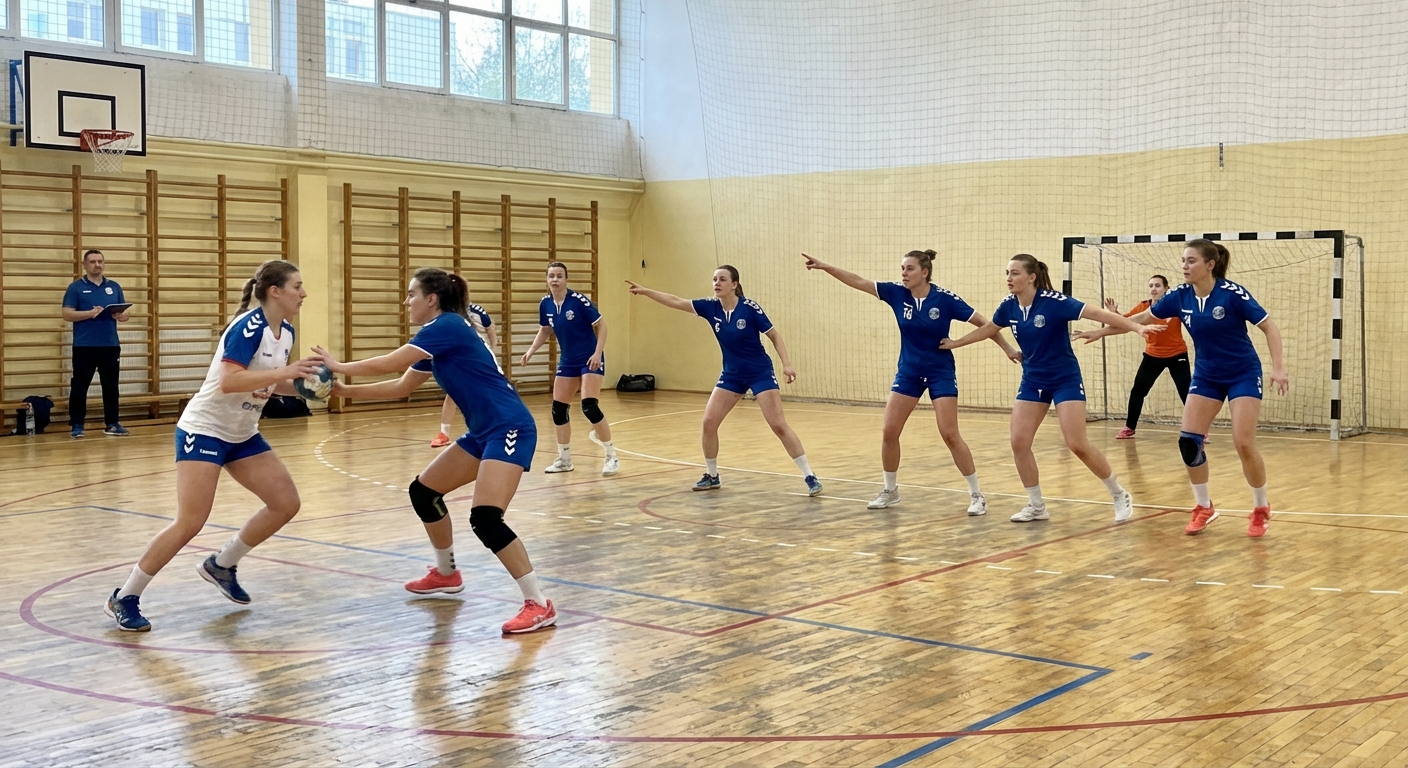
The transition from attack to defence is the most vulnerable moment in handball. This article examines the 3-second recovery principle, the specific roles players must adopt during transition, and the training scenarios that build a team's ability to recover defensive shape under pressure.
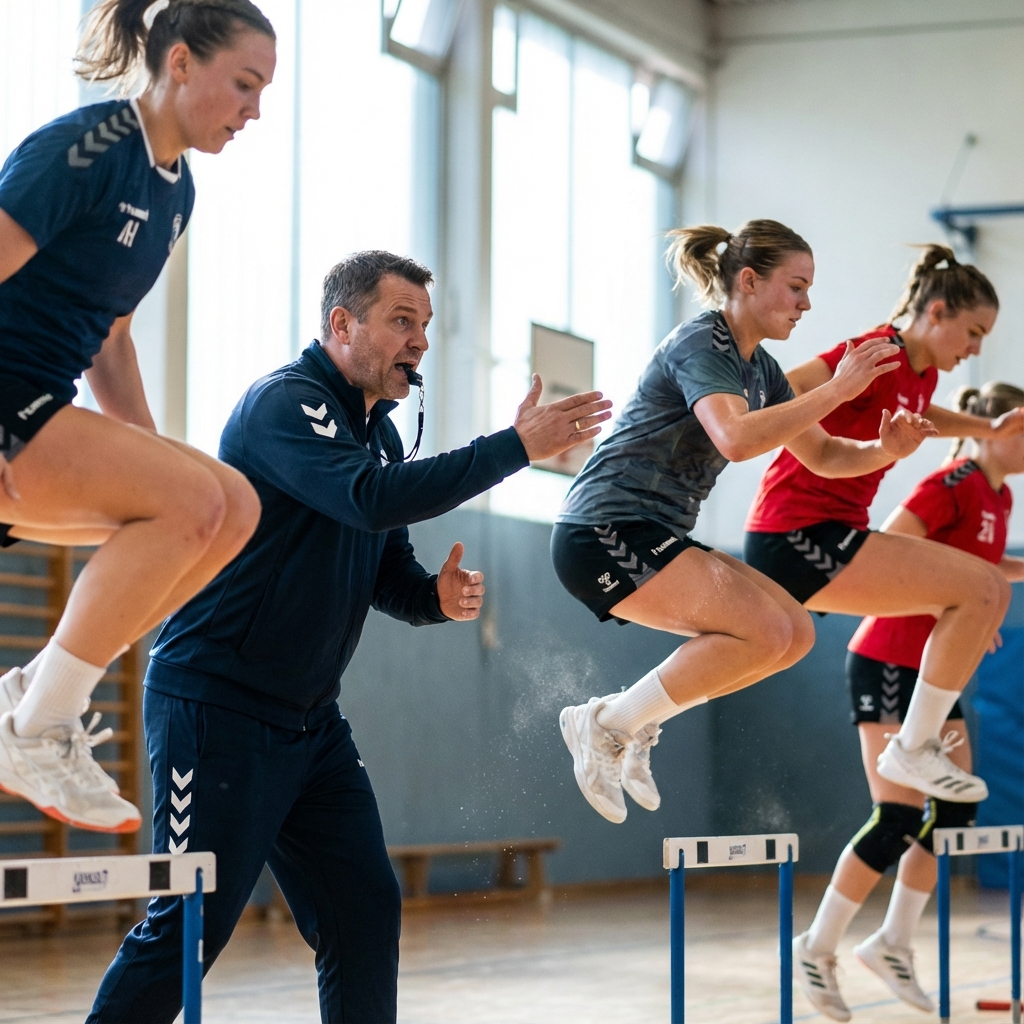
Handball demands explosive power, repeated sprint ability, and the strength to compete physically for 60 minutes. Sport-specific conditioning develops the athletic qualities that underpin elite performance.


Register for FREE and get coaching tips, top drills, session and more every week!