ÎÎ¬Î¶Î¿Ï Î¼Îµ Ïο ÎÎ (ή Ïο ÎÎ) Ïε θÎÏη Î Î. Το Î Î ÏÏο 4 (ή ÏÏο 3). Î Î ÏάÏα ÎΠκαι κάνει ÏÏÎ±Ï ÏÏ ÏÏÏÎ¯Ï Î¼Ïάλα με Ïο ÎÎ (ÏÏÏÎ¯Ï Î±Î»Î·Î¸Î¹Î½Î® αÏειλή, αÏλά Î±Î»Î»Î¬Î¶Î¿Ï Î½ θÎÏειÏ), ÎÎ ÏάÏα ÎÎ, ÎÎ ÏάÏα ÎÎ, ÎÎ ÏάÏα Î Î, Î Î ÏάÏα ÎΠκαι κÏβει 2ο ÏÎ¯Î²Î¿Ï ÏÏο 2ο δοκάÏι (4αμ. ÏÏην ÎµÏ Î¸ÎµÎ¯Î±).Το Î Î "Î³Î»Ï ÏÏÏάει" ÏÏο 3. Το ÎÎ ÎÏÏεÏαι ÏÏο κÎνÏÏο, ÏÏα βήμαÏα ÏÎ¿Ï Î Î, αÏειλεί ÏÏο 4 αμ., ÎÏει ÏÎ¿Ï Ï, ÏάÏα ÏÏα 2 ÏÎ¯Î²Î¿Ï Î® ÏάÏα ÏÏην κάθεÏη ÏÎ¿Ï ÎÎ.
This practice has no coaching points
This practice has no progressions
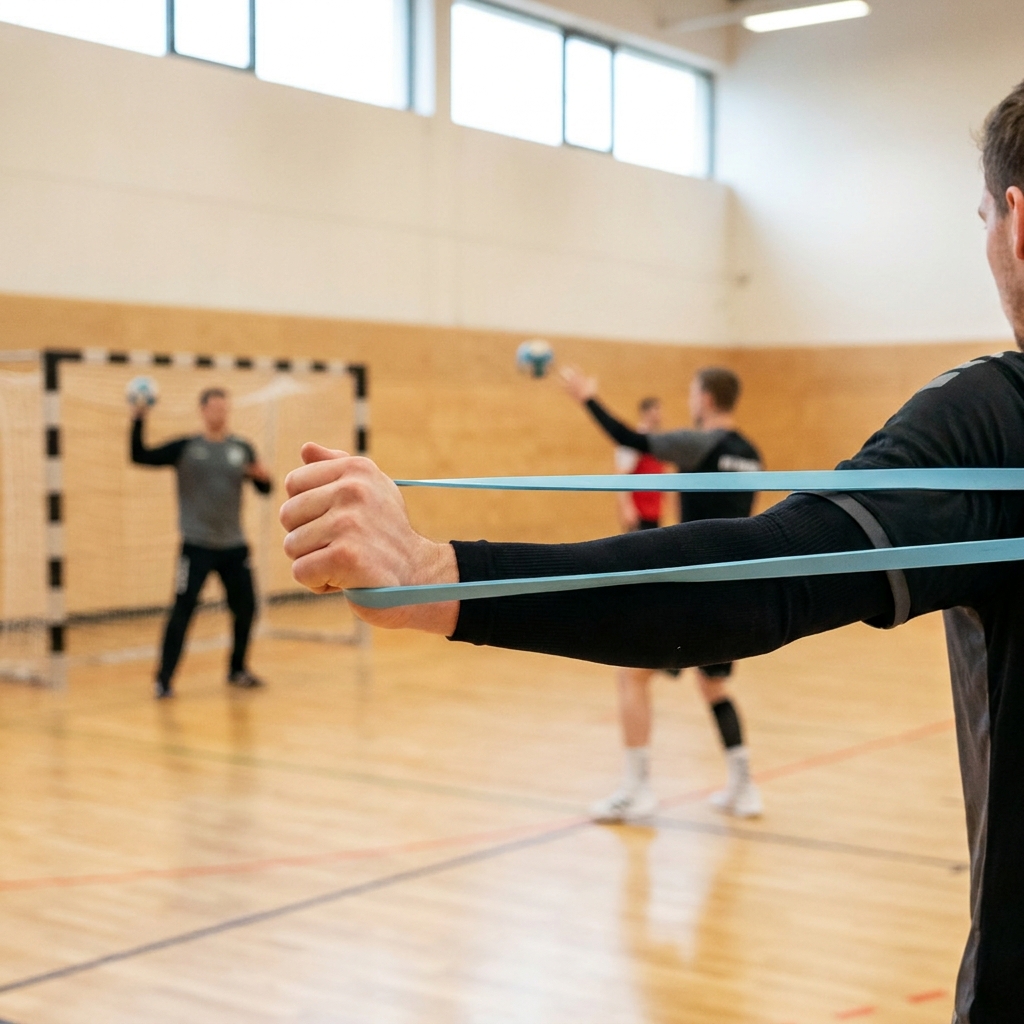
As indoor leagues get back into full swing this November, throwing volume climbs fast. A few minutes of shoulder care in every warm-up is the difference between a healthy season and a lost one.
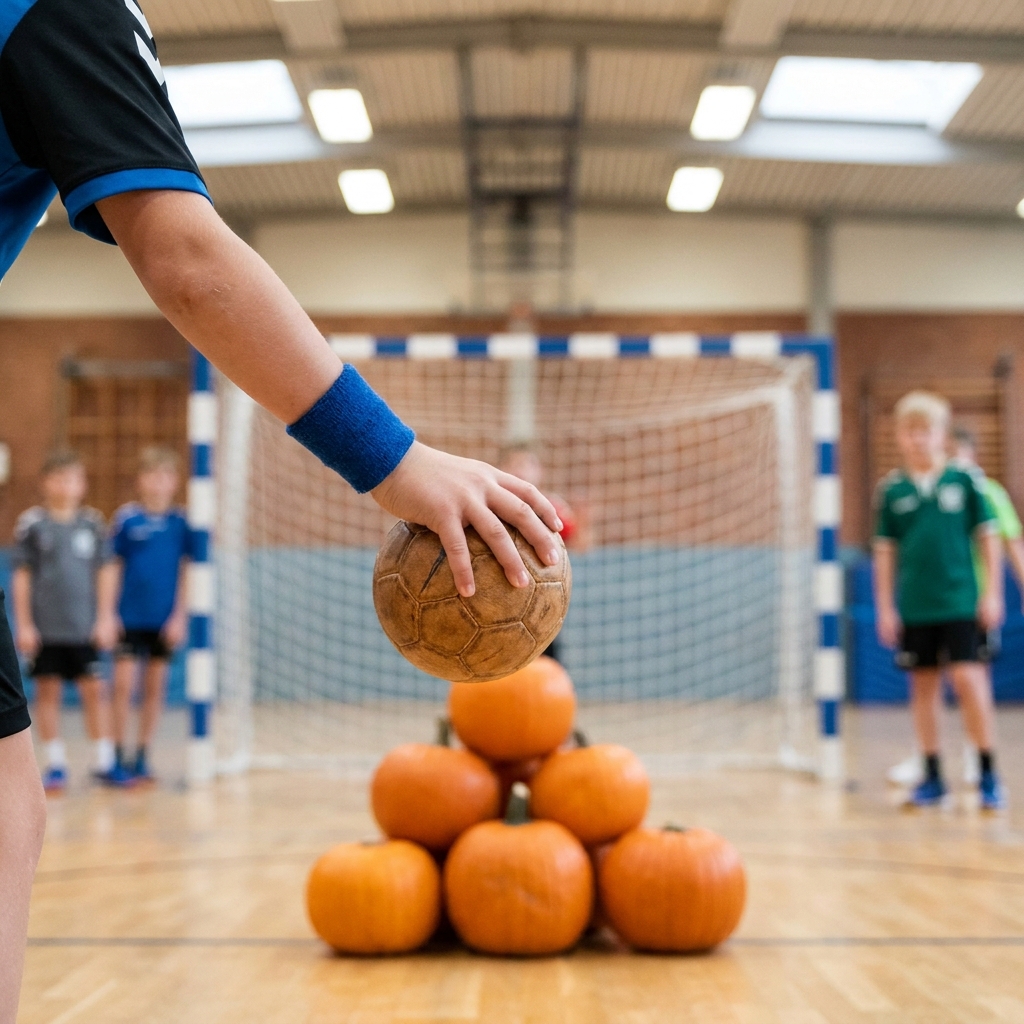
A ready-to-run Halloween handball session for juniors: spooky warm-ups, verified drills and a small-sided game finale.
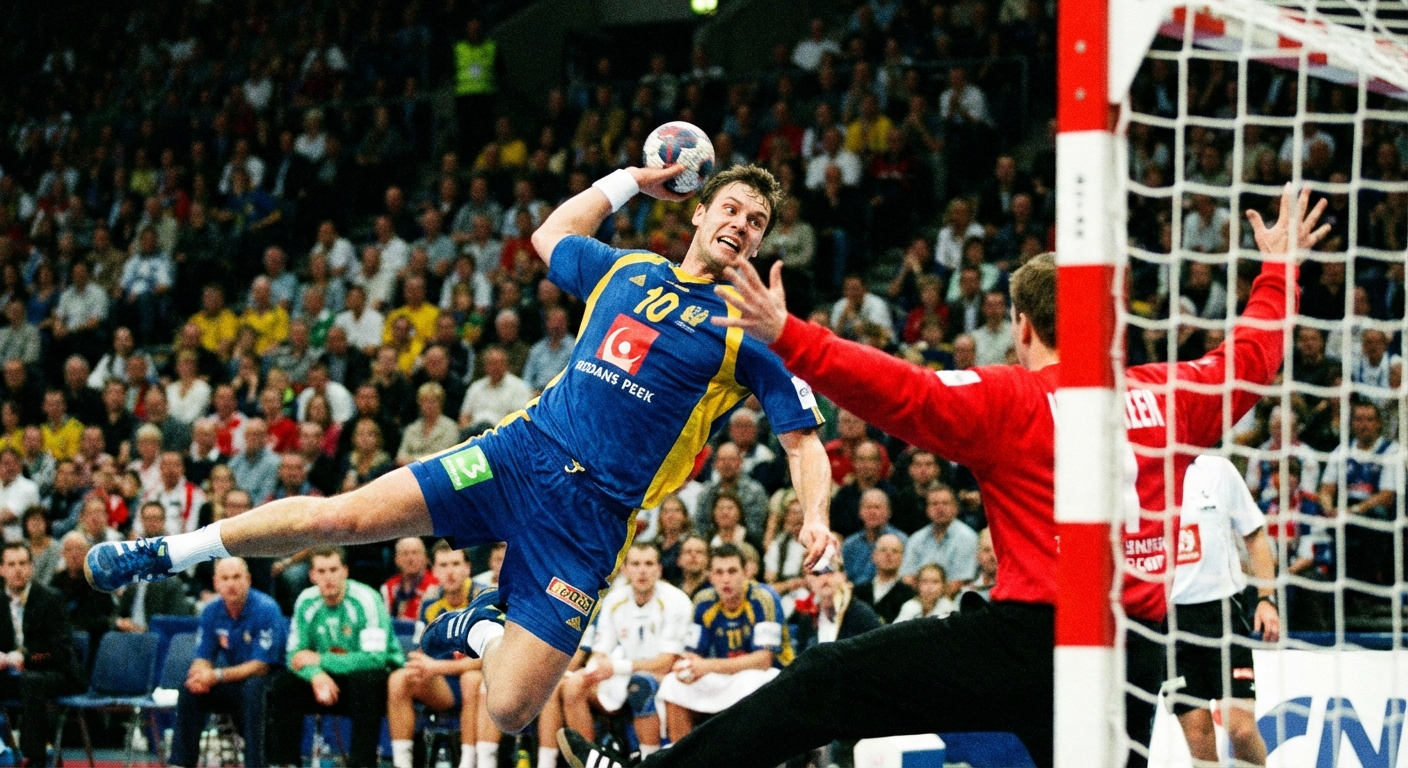
Wing players operate in the most demanding shooting position on a handball court, where acute angles and a close goalkeeper make finishing a specialist skill. This article breaks down the technique, decision-making, and training progressions that coaches need to develop elite wing finishing.


Register for FREE and get coaching tips, top drills, session and more every week!