Îίναι αÏλÏÏ ÏÏÎ±Ï ÏÏÏ, αλλά με ÏÏ Î½ÎµÏγαÏία Î Î-Î Î. Το Î Î ÏÏο 4 (2ο δοκάÏι). Το ÎΠανοικÏή αÏειλή, ÏάÏα ÏÏο ÎÎ, Ïο ÎΠανοικÏή αÏειλή, ÏάÏα ÏÏο Î Î. Το ΠΠανοικÏή αÏειλή ÏÏο 3, αÏοÏÏ Î³Î®-νÏÏίμÏλα-ÎºÏ ÎºÎ»Î¹ÎºÎ® κίνηÏη αÏÎµÎ¹Î»Î®Ï ÏÏον 4αμ., ÏÏ Î½ÎµÏγαÏία με Ïο Î Î. ÎεÏά, Ïο Î Î ÏÏÎ±Ï ÏÏ Î¼Îµ ÎÎ ÏÎ¿Ï Î±Ïειλεί ÏÏον 3αμ., και ÎÏει εÏιλογÎÏ: ÏÎ¿Ï Ï, ÏÎÏαÏμα, ÏάÏα Î Î, ÏάÏα ÎÎ ÏÏην κάθεÏη. Το Î Î ÏκÏιν ÏÏο 4αμ. ÏÏαν αÏειλεί Ïο ÎΠκαι μεÏά γλιÏÏÏάει ÏÏο 2αμ.
This practice has no coaching points
This practice has no progressions
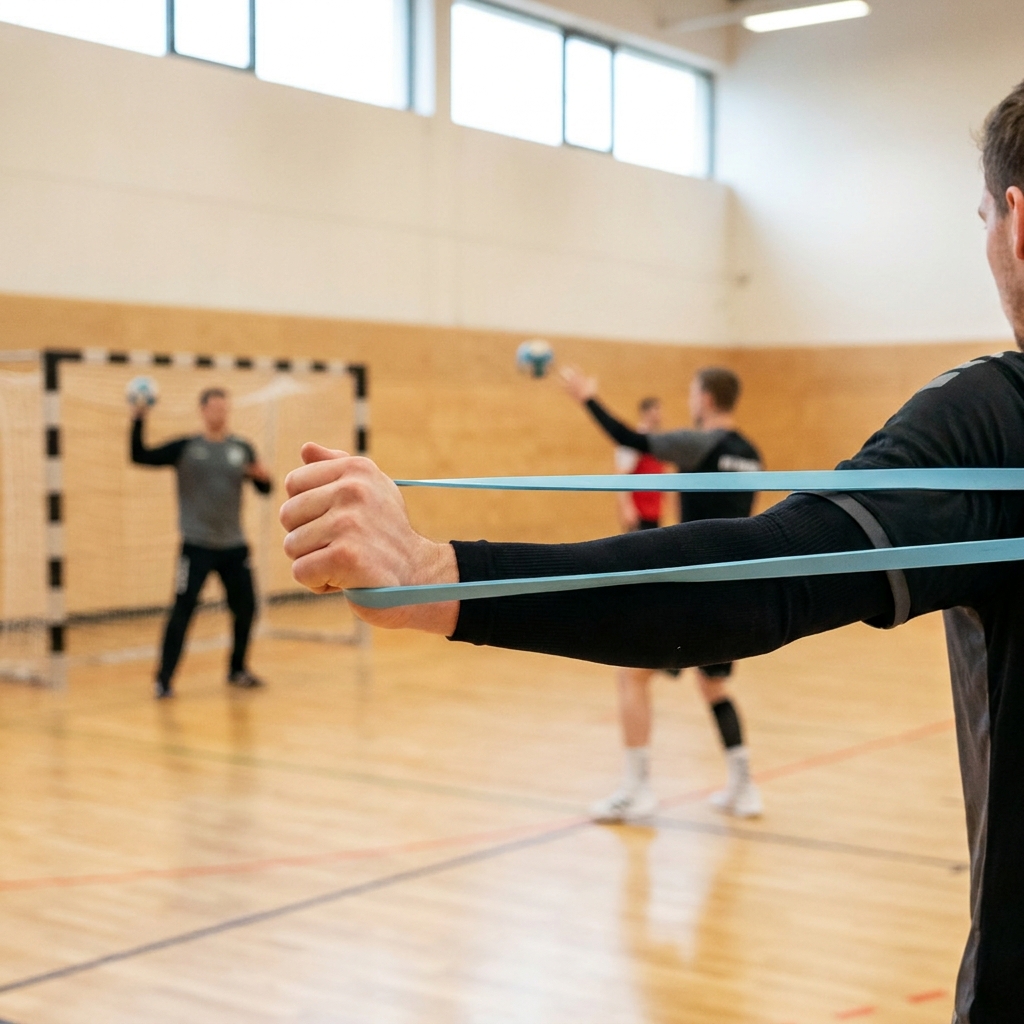
As indoor leagues get back into full swing this November, throwing volume climbs fast. A few minutes of shoulder care in every warm-up is the difference between a healthy season and a lost one.
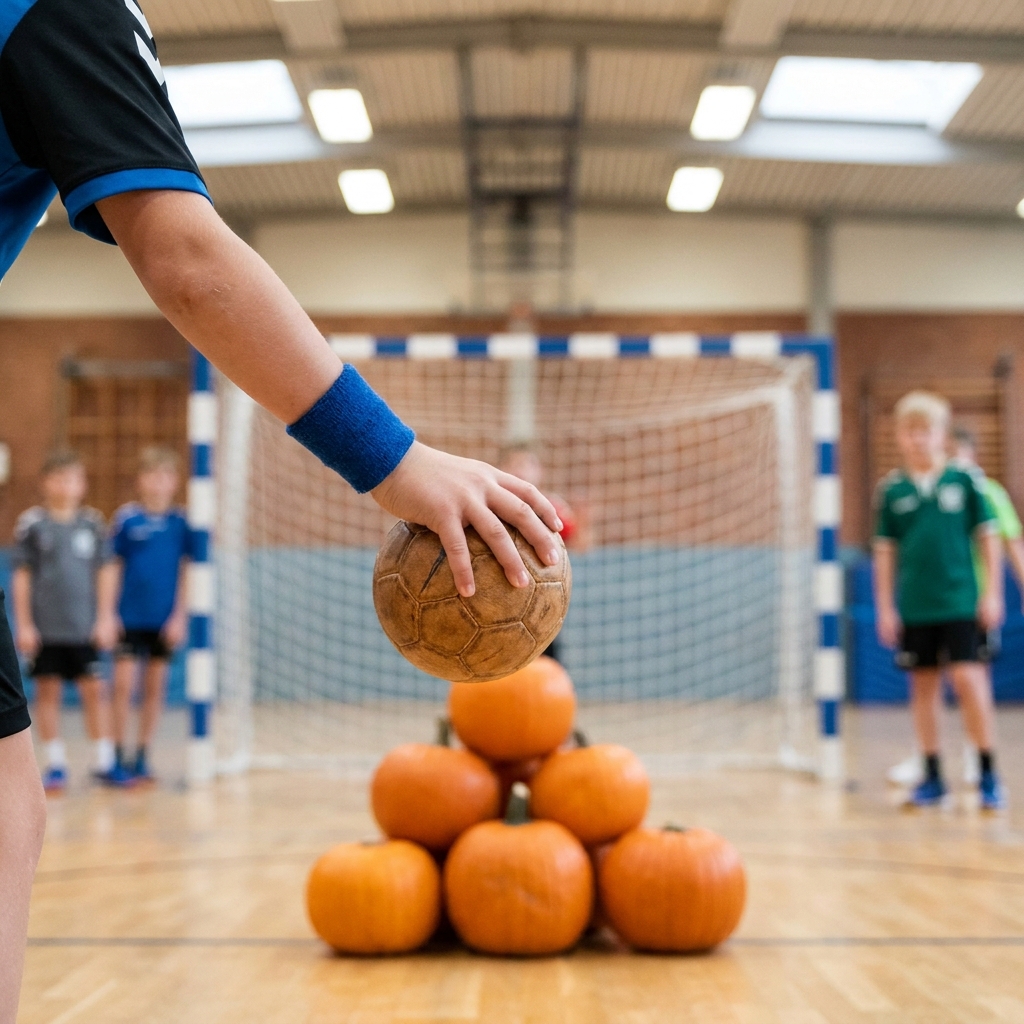
A ready-to-run Halloween handball session for juniors: spooky warm-ups, verified drills and a small-sided game finale.
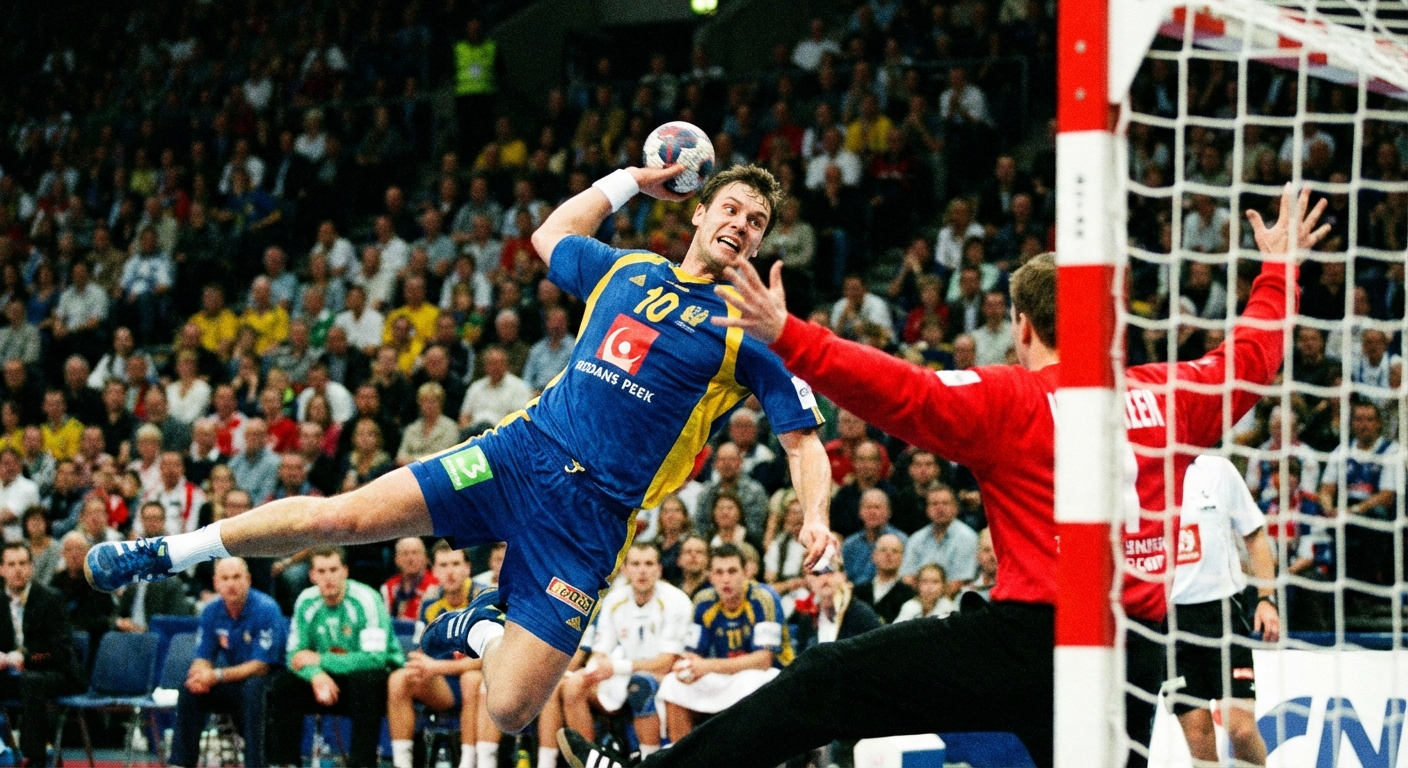
Wing players operate in the most demanding shooting position on a handball court, where acute angles and a close goalkeeper make finishing a specialist skill. This article breaks down the technique, decision-making, and training progressions that coaches need to develop elite wing finishing.


Register for FREE and get coaching tips, top drills, session and more every week!