Groups organised into 2 equal teams as illustrated
Each batter strikes the ball which has been served by the coach or teacher and attempts to run around the cones and back to the base line
The fielding team must retrieve the ball and throw it to each of the bases in turn attempting to beat the running batter to the final base
The batting team continues for a set time or until all the batters are out
Teams then rotate
The team which completes the most runs are deemed winners
To acquire and develop batting and fielding skills
To select and apply skills and tactics to score more runs whilst batting by hitting the ball into gaps and only playing at balls that are necessary.
To reduce the amount of runs scored when fielding by returning the ball around the bases quickly and by identifying where batters are hitting the ball.
To evaluate and improve performance by observing team members and the opposition when performing by listening to and following instructions.
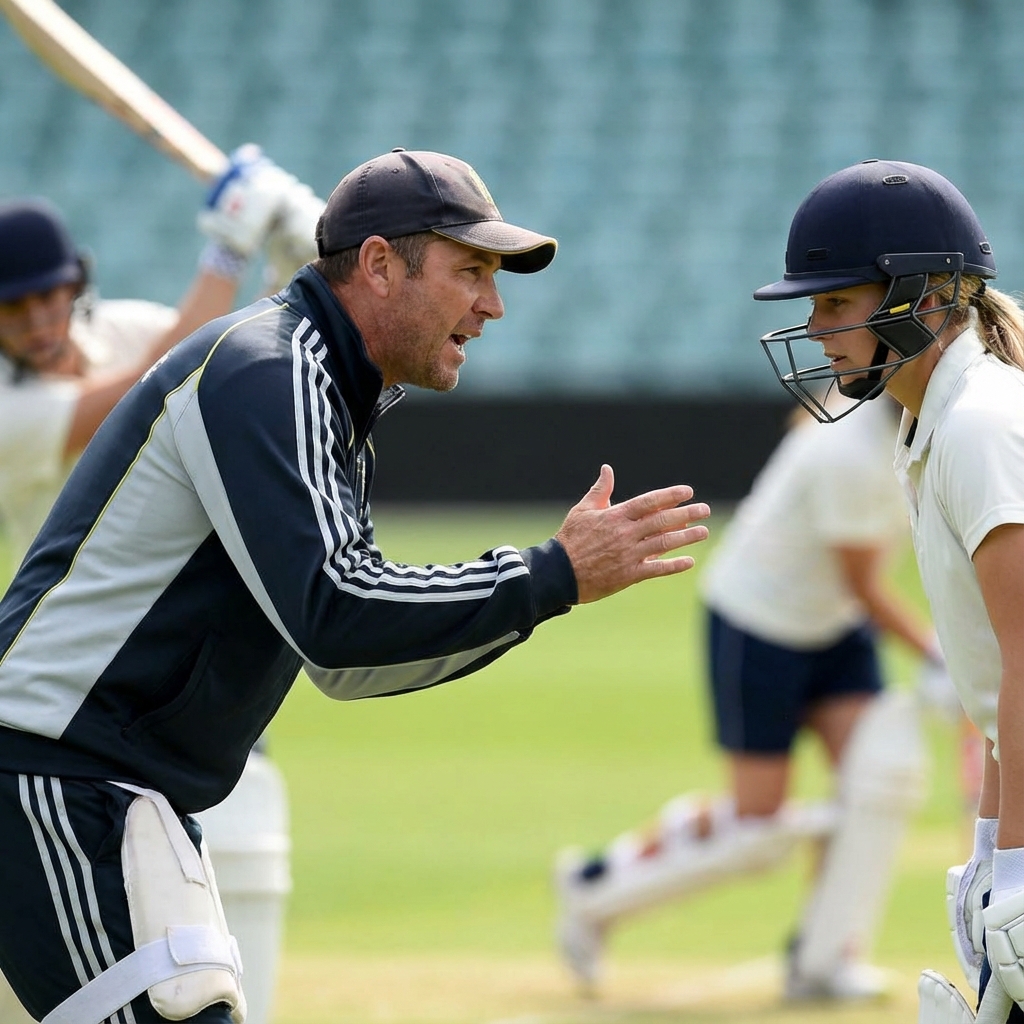
Game-based training and match simulation prepare players for real competition more effectively than isolated drills. Modern coaching integrates pressure scenarios, decision-making, and competitive situations into every training session.
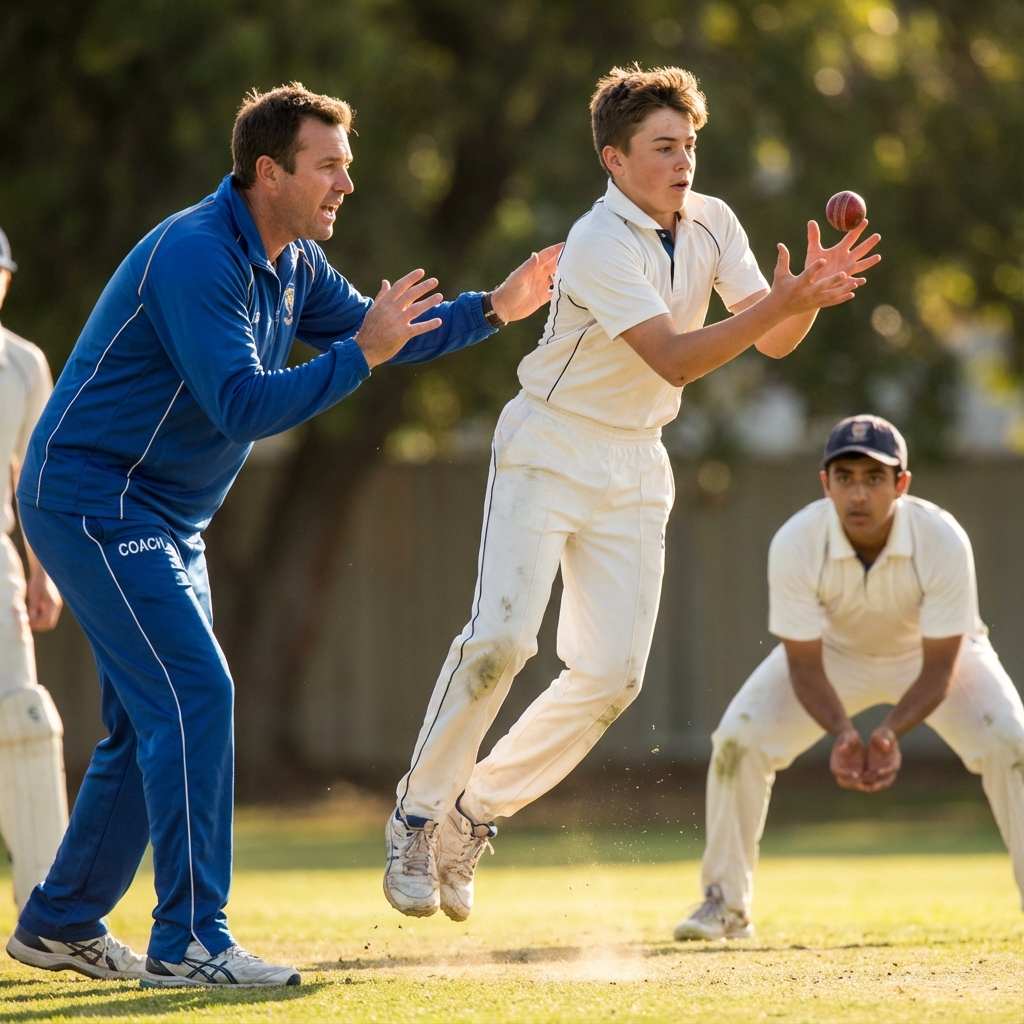
Catches win matches remains cricket's truest saying. From high balls under lights to sharp slip catches, the ability to hold chances consistently separates winning teams from those that let matches slip away.
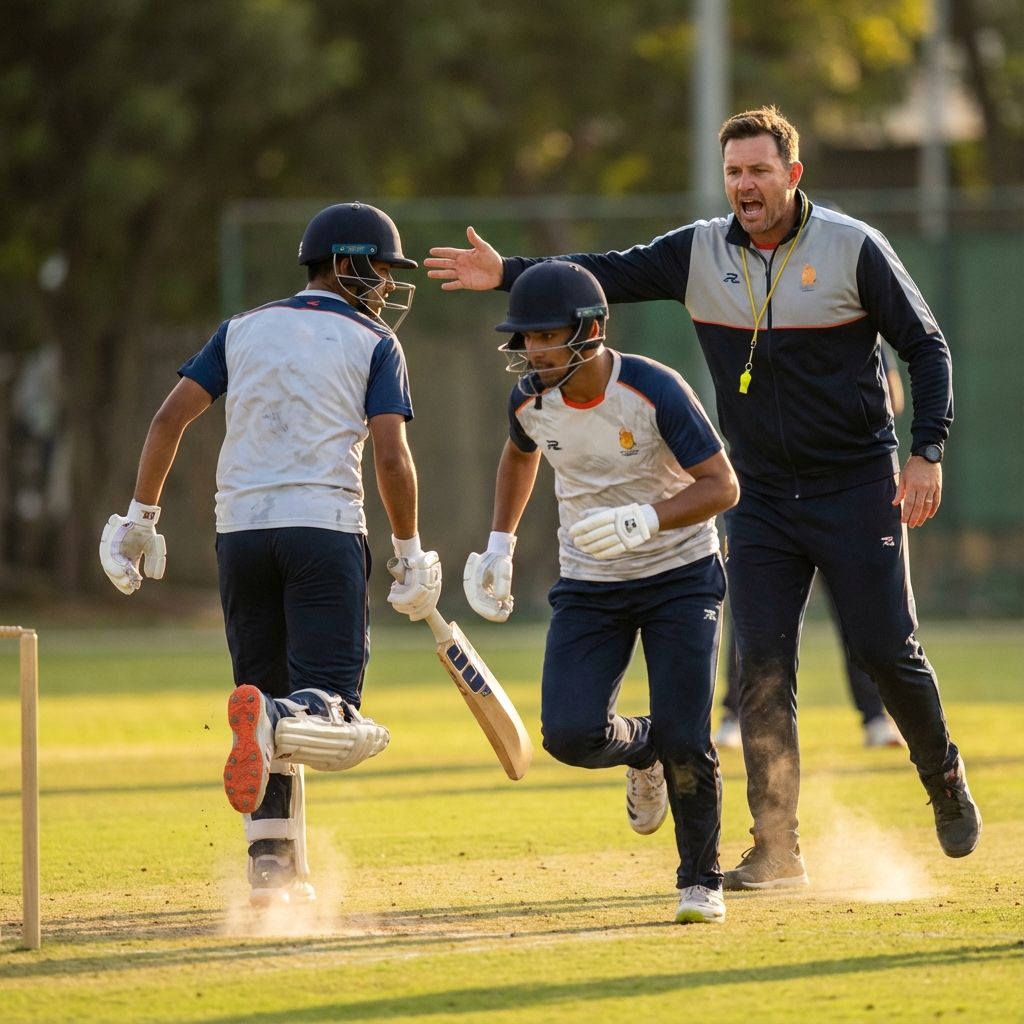
Elite running between wickets adds significant runs without risk. Quick singles, converted twos, and intelligent strike rotation separate the best batting partnerships from average ones across all formats.


Register for FREE and get coaching tips, top drills, session and more every week!