one feeder, one batsman and two fielders.
Feeder starts at the cone and (underarm) feeds the ball to the batsman.
The batsman must defend the ball using a forward defensive shot, trying to make the ball bounce as little as possible.
The fielders are stood as close as they feel comfortable and must attempt to catch the ball after the batsman has hit the ball.
The batsman can be out by being bowled, caught on the full or caught with one hand after one bounce.
It is important to ensure the batsman ONLY play defensive shots. If a boy plays an attacking shot they will be automatically out and may be asked to sit out from the game.
The players move around anti-clockwise when somebody is out. Fielder on the right becomes batsman, Batsman becomes left fielder and so on.
To make this drill more challenging, the feeder could be allowed to join the fielders after he lets go of the ball.
Alternatively the feeder could be given more freedom with their bowling, allowing them to feed the ball faster or being allowed to throw the ball overarm.
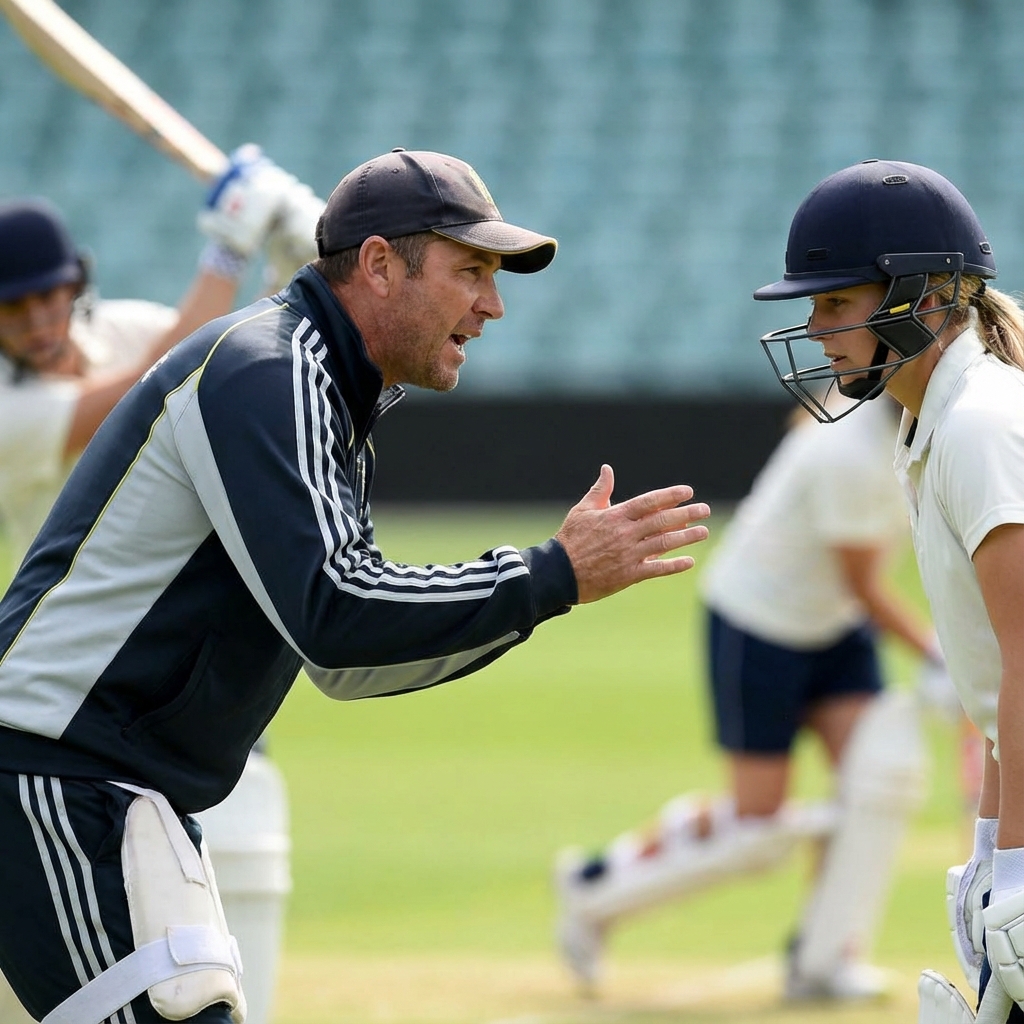
Game-based training and match simulation prepare players for real competition more effectively than isolated drills. Modern coaching integrates pressure scenarios, decision-making, and competitive situations into every training session.
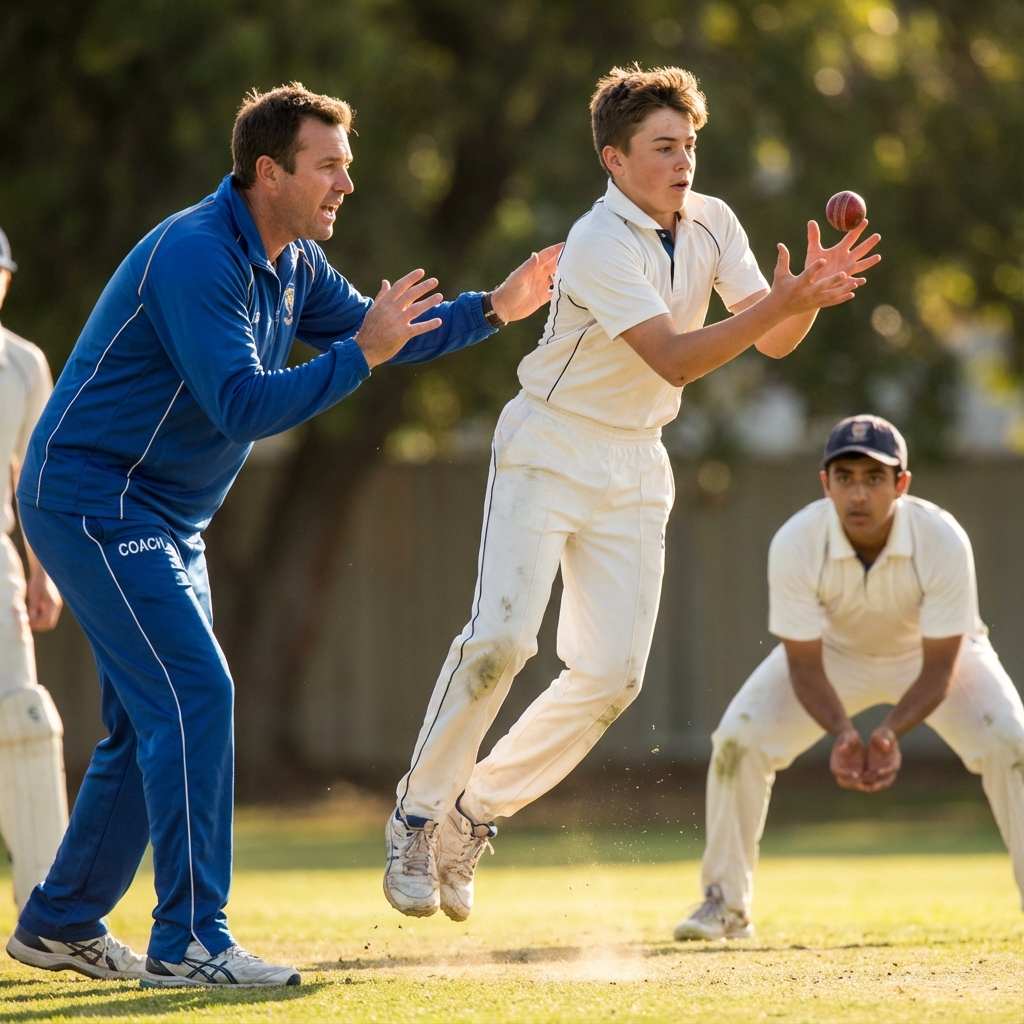
Catches win matches remains cricket's truest saying. From high balls under lights to sharp slip catches, the ability to hold chances consistently separates winning teams from those that let matches slip away.
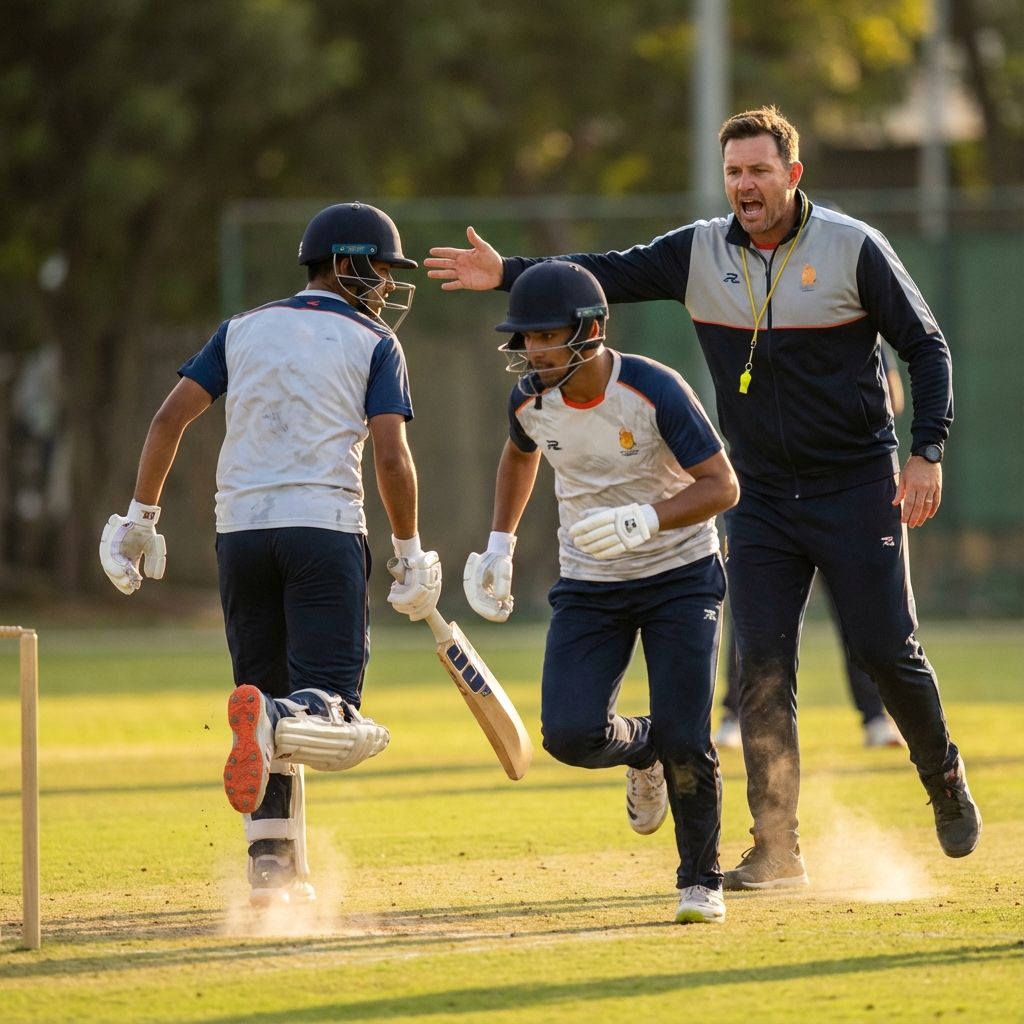
Elite running between wickets adds significant runs without risk. Quick singles, converted twos, and intelligent strike rotation separate the best batting partnerships from average ones across all formats.


Register for FREE and get coaching tips, top drills, session and more every week!