

Running between wickets
Running between wickets

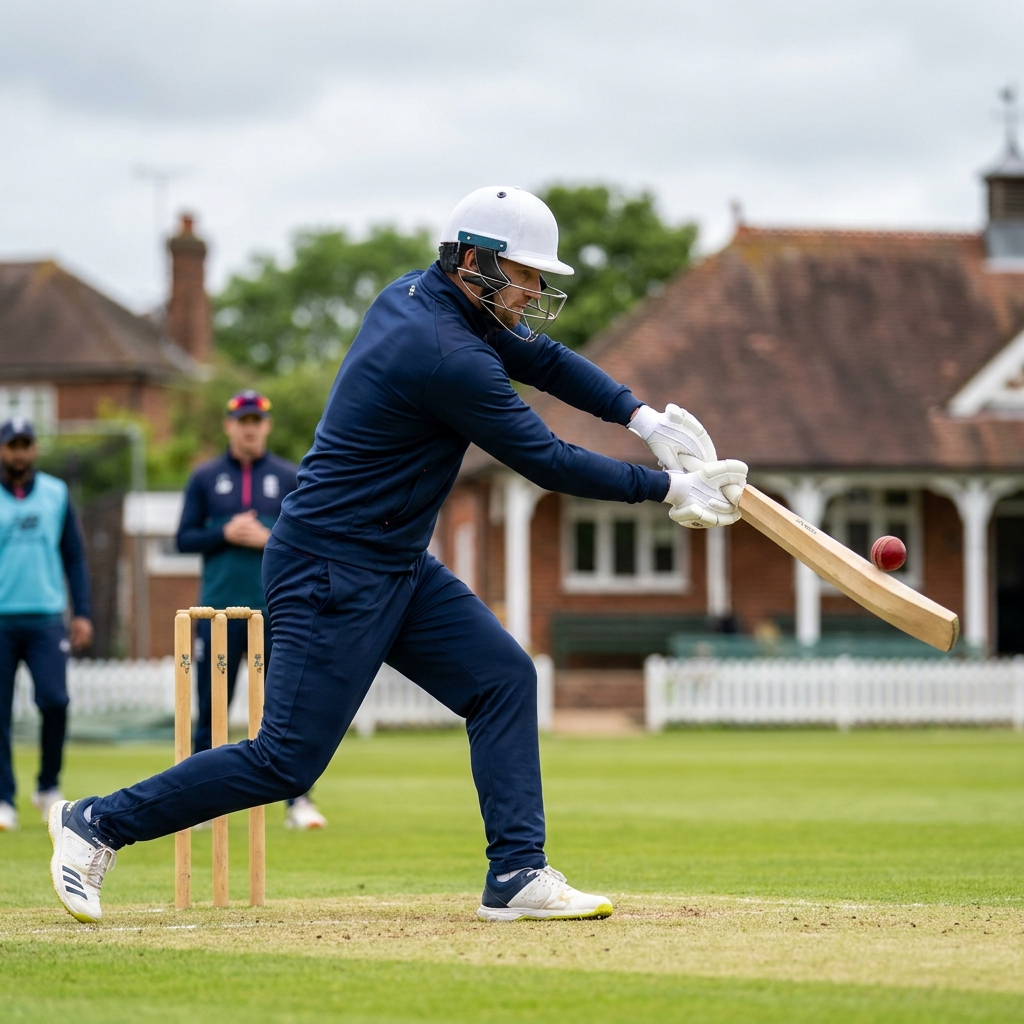
Canât stress enough on the importance of this area of the game. A good team is a team that runs well between wickets.All great batsmen have been good runners between wickets. Ideal habit to form is taking a start with weight forward as a non-striker bat in your left hand if you are standing around the wicket and vice versa. As a non-striker you take the initiative of calling for a run for everything that is in front of you. When the ball is hit behind you it is the strikers call. You will realize that you have a lot to do even when you are not facing the ball. Here is when a lot of batsmen make the mistake of relaxing and taking their mind of the game once they are off strike.This relaxed approach often resulted in the form of run outs. If you are the striker make it a habit to call loudly for a run. Itâs a good habit to form as you play higher level of cricket it will get noisier in the stadium. "Yes" and "No" are the basic calls. Sometimes you could call "waiting" when you are waiting for the ball to pass a fielder. Avoid calls like "Go" which could be confused for "No". Another crucial part of running between wickets is grounding the bat in the crease when finishing or going for another run try and stretch as much as possible and slide that bat through and not plunk it inside. The idea is to get you to run as less a ground as possible to complete a run. Sandip Patil was a master of this Good start and a long stretch to finish a run. Never looked in desperate hurry to complete a run, but, always made that run. Excellent runner between wickets. Save that extra second thatâs the idea. Remember one of the biggest enemies of batsman these days is the third umpire.