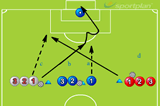
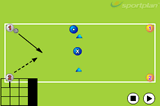
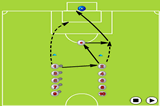
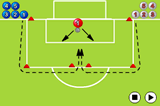
Groups of six. Four balls per group. Position players as shown in the diagram. Repeat in another area for a total of 12 players.
Red player 1 passes the ball to red server 3 who passes the ball back into the path of red player 1. Red player 1 shoots low and to the far post. Red player 3 turns and runs to the area at the far post to pick up any rebounds or shots wide of the target. Red player 3 becomes the goalkeeper. Blue goalkeeper goes to the back of the line and blue players 1 and 2 assume the pass and serve positions. Repeat the practice and rotate positions. Save= 5 points; rebound= 3 points; goal= 5 points; shot on target= 3 points.
Progression: Make blue player 1 a defender.
in more ways than one
 sportplan_netball


in more ways than one
sportplan_football

Four Halloween-themed games sneak a full warm-up, finishing, rondo and small-sided game into one junior football session this week.
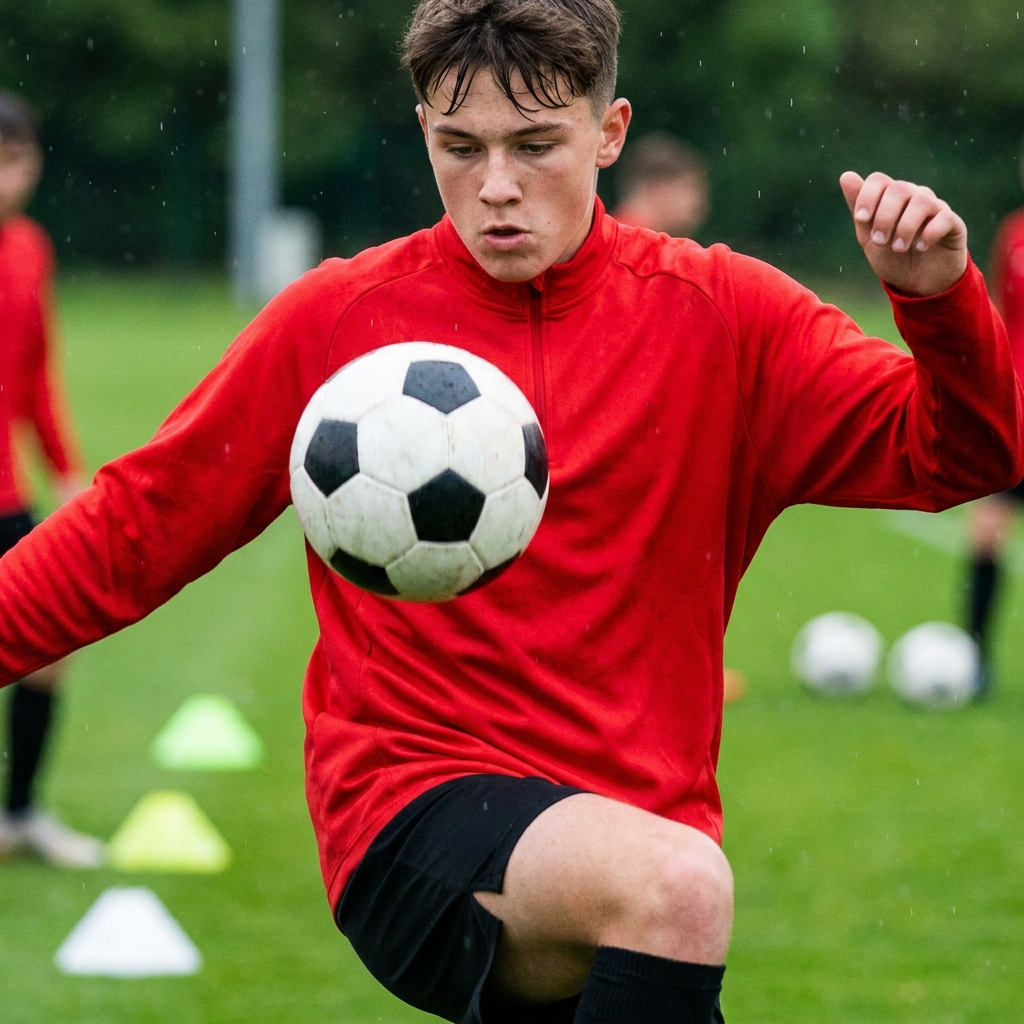
Deliberate heading is now out of U11 grassroots matches. Here is how to coach chest, thigh and foot control so your players still win the ball in the air.
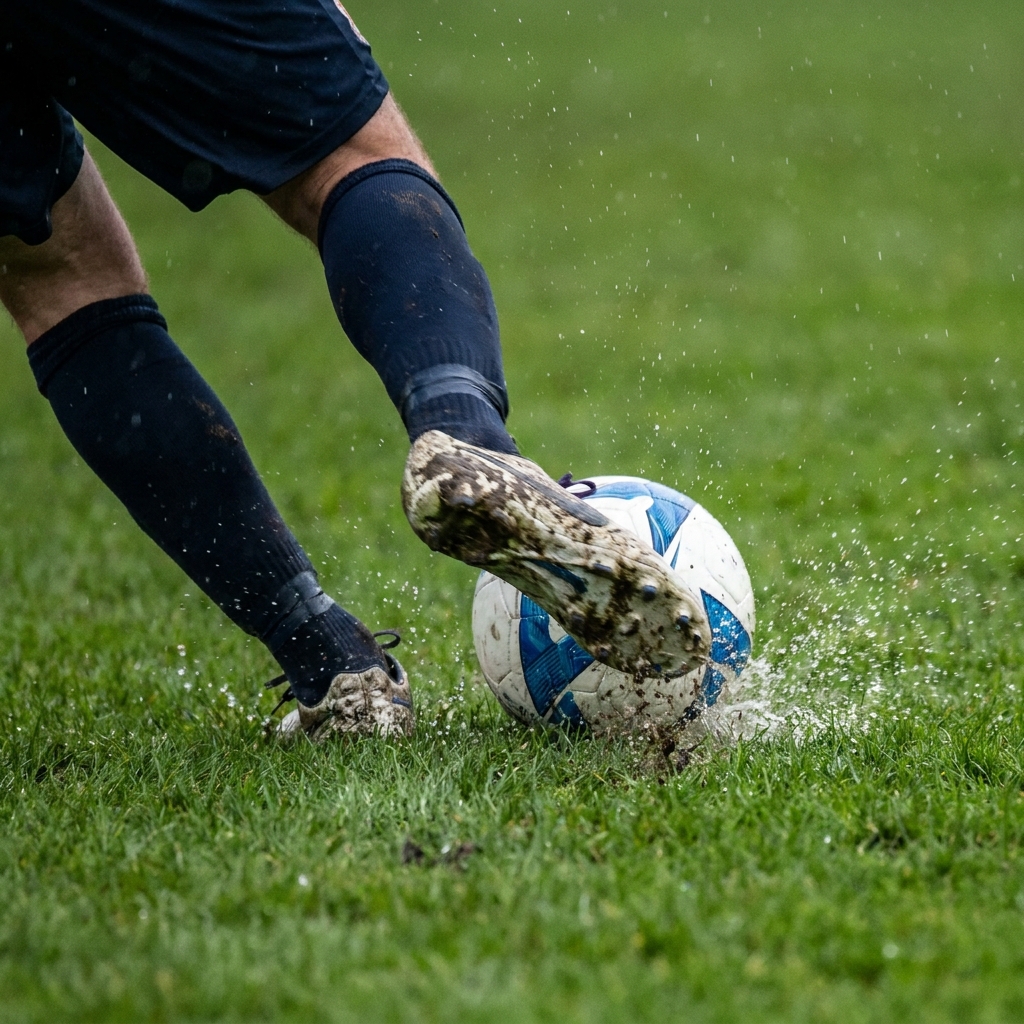
Long-range goals doubled at the 2026 World Cup as teams sat deep. Here is how to coach when to shoot from distance, the technique, and the follow-up.