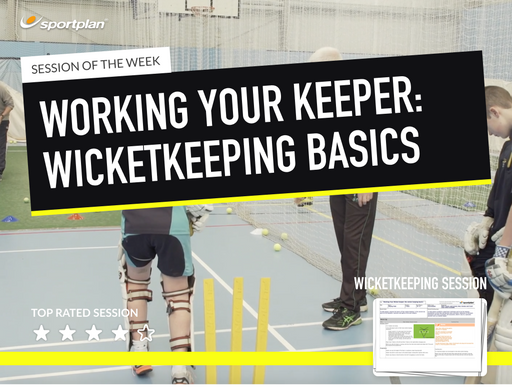
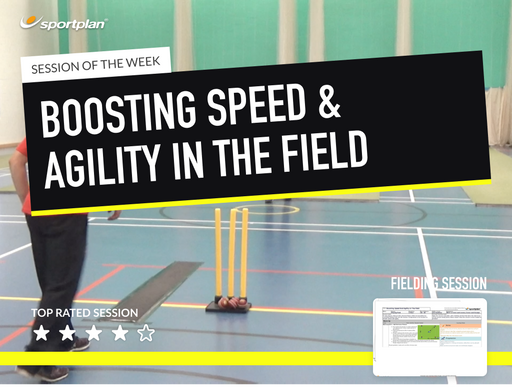
We often hear from coaches who say that when coaching large groups it can be difficult to give everyone an equal turn, especially when focusing on important technique areas. We believe we've found the solution to this problem with our Front and Back session.
By dividing your players into small groups you can get everyone working at the same time, meaning all your players will get a fair chance to improve their technique and shine before their next match.
Both these skills should be learnt from an early age and reviewed regularly. Teaching the technique is the simple part though, the difficulty is finding fun, effective and engaging methods to continually keep the coaching of these skills interesting which is where this session truly comes into its own.
To begin with we look at ways for you to introduce and reinforce the front foot drive, an attacking batting stroke that can be very effective if performed correctly. However, if performed incorrectly, and players plant their front foot too early, the rest of your player's body can end up in the wrong position, resulting with a wild swing that often results in players being caught out.
Once your players have got a solid grip on this attacking shot we then shift our attention to the back, looking at how players can deal with tricky shots such as the front foot drive with long barrier fielding. The long barrier should be a standard technique in all players' repertoires, it can be used to stop all manner of shots including difficult to deal bobblers and bouncers.

The new Laws of Cricket are in force from 1 October 2026 and the 'bunny hop' boundary catch is gone. Here is how to coach your fielders to catch on the rope this winter.

The covers are on and the last tea has been served. What your club does between now and April decides how the next season starts. Here is a simple, honest winter plan for players, bowlers and juniors.
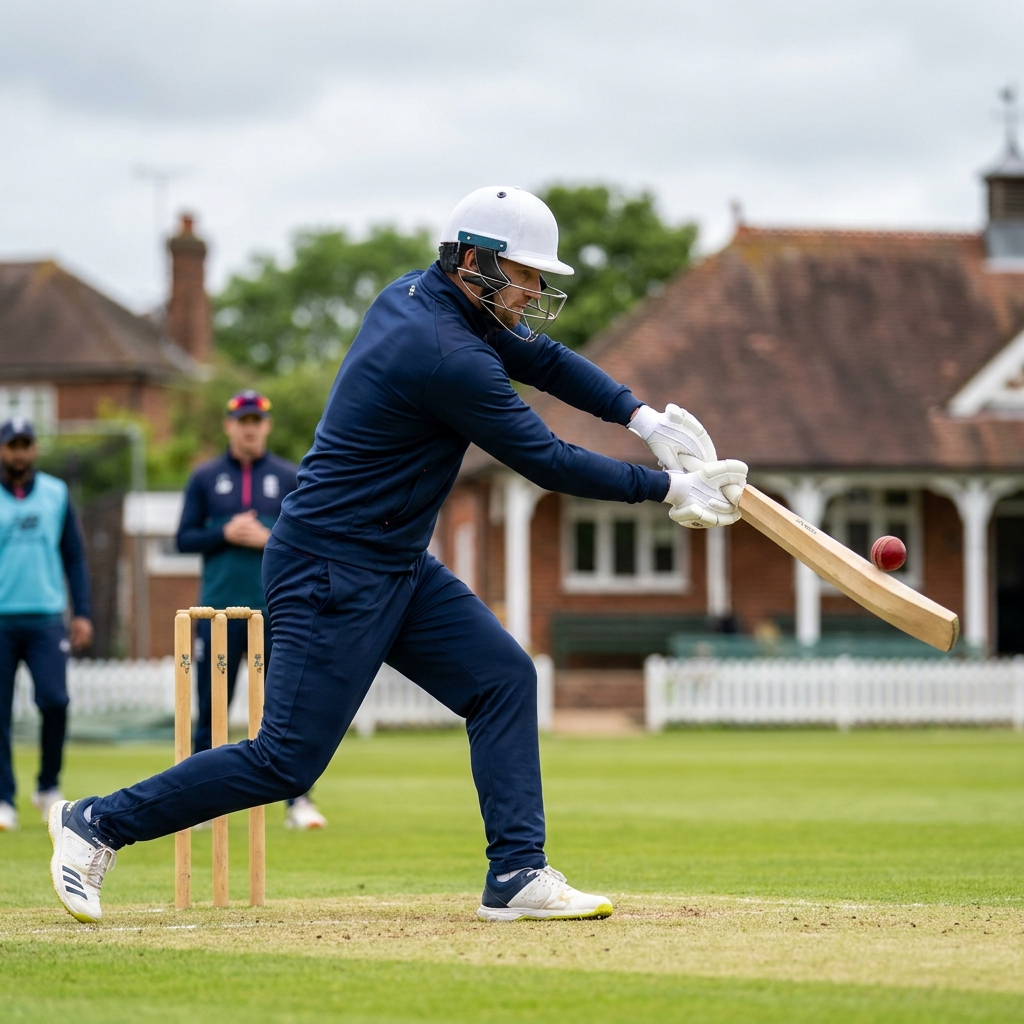
August is when seasons are decided, and most club games are lost chasing rather than setting. Give your batters a framework for the chase and you win the close ones.


Register for FREE and get coaching tips, top drills, session and more every week!