Setup: - The children pretend to be small, fast motorcycles. - The ball serves as the "handlebar." Players must navigate obstacles while moving through the play area. - Actions include: - Moving slowly, quickly, sideways, or backward. - Changing direction or swapping balls during movement. - Overcoming obstacles such as jumping, balancing, or tossing and catching the ball while in motion. - Honking (making a noise) if another player gets too close. Make it More Challenging: - Players can only walk on the lines of the sports hall (representing roads). - If two players meet on the same line, they must turn around. - Dribble while following the lines. Obstacle Variations: 1. Crossing rivers: - Hoops are placed slightly apart, requiring players to step into them to "cross." 2. Wide river jumps: - Hoops placed farther apart; players must jump between them. 3. Hanging bridge: - Balance along a thick rope or on benches (using the wide or narrow edge). 4. Through the forest: - Cones and poles placed close together; players must avoid touching other players or obstacles. 5. Crawling under a tunnel: - Create tunnels using benches covered with gym mats; players must crawl or slide underneath.
This practice has no coaching points
This practice has no progressions
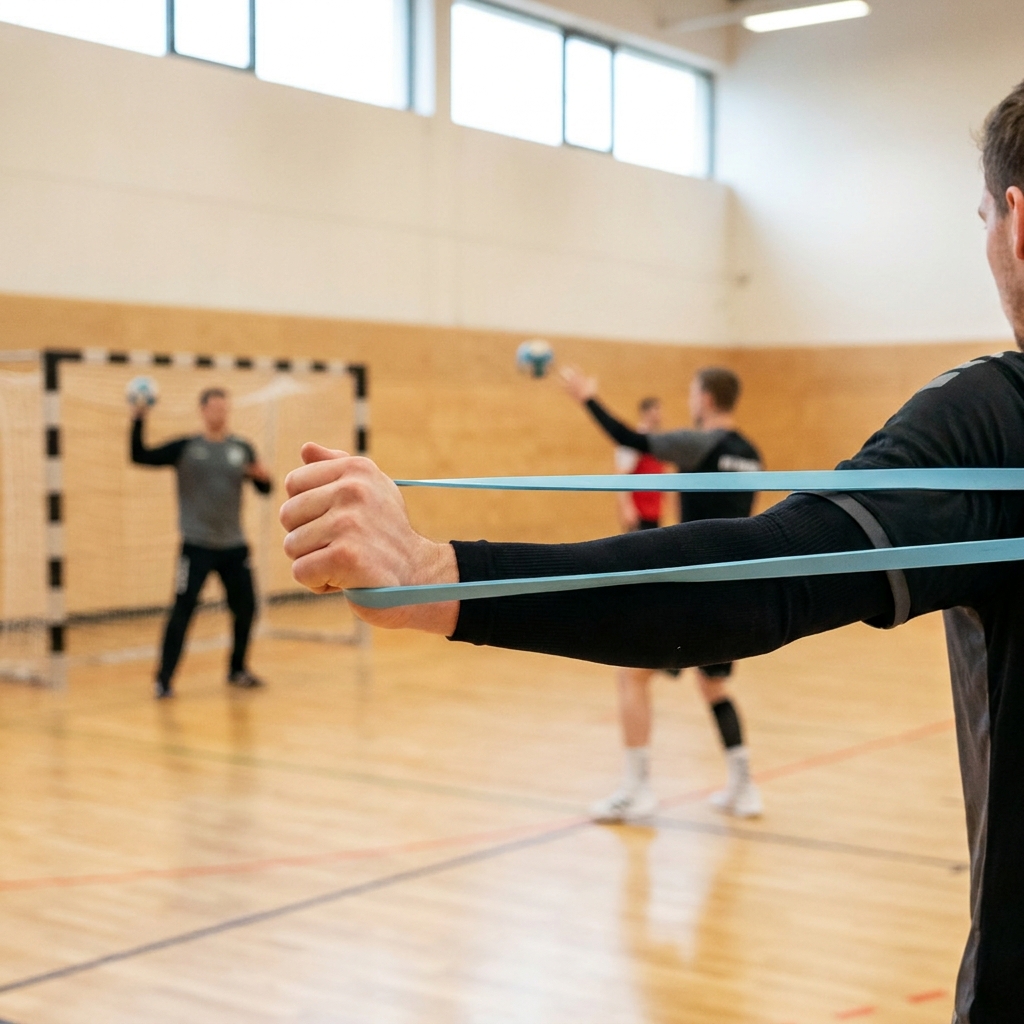
As indoor leagues get back into full swing this November, throwing volume climbs fast. A few minutes of shoulder care in every warm-up is the difference between a healthy season and a lost one.
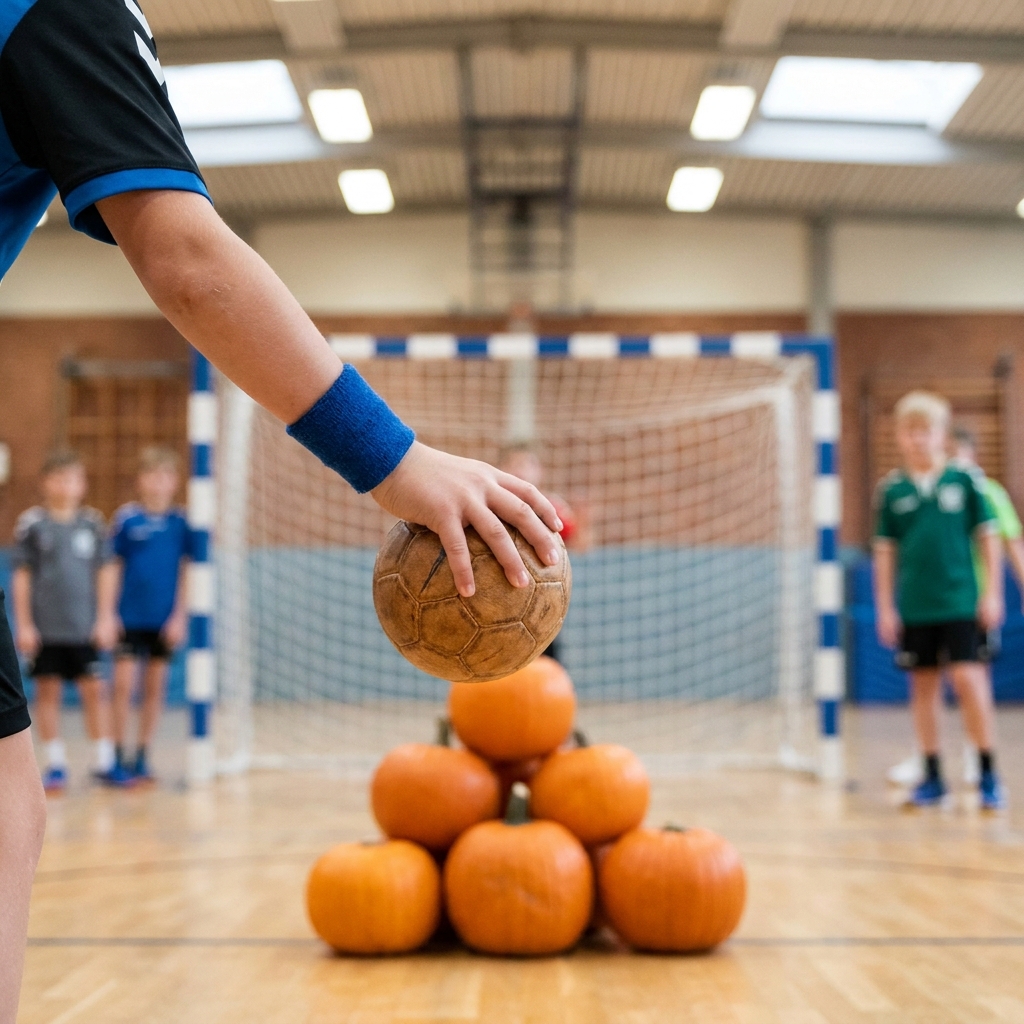
A ready-to-run Halloween handball session for juniors: spooky warm-ups, verified drills and a small-sided game finale.
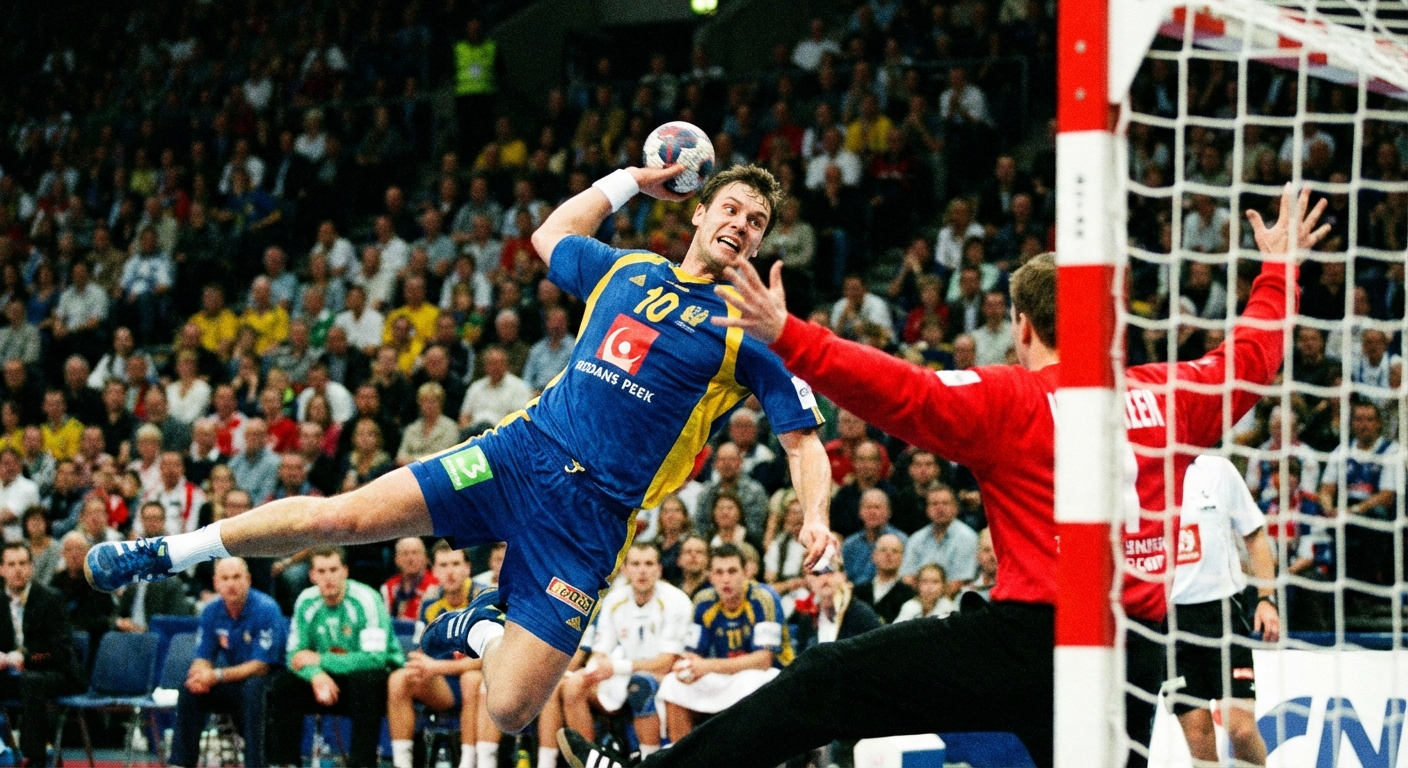
Wing players operate in the most demanding shooting position on a handball court, where acute angles and a close goalkeeper make finishing a specialist skill. This article breaks down the technique, decision-making, and training progressions that coaches need to develop elite wing finishing.


Register for FREE and get coaching tips, top drills, session and more every week!