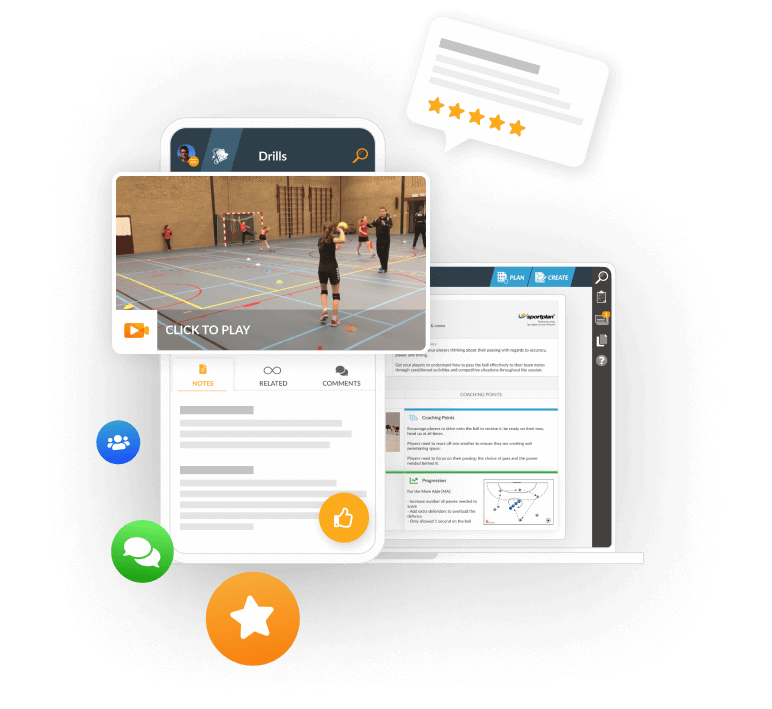
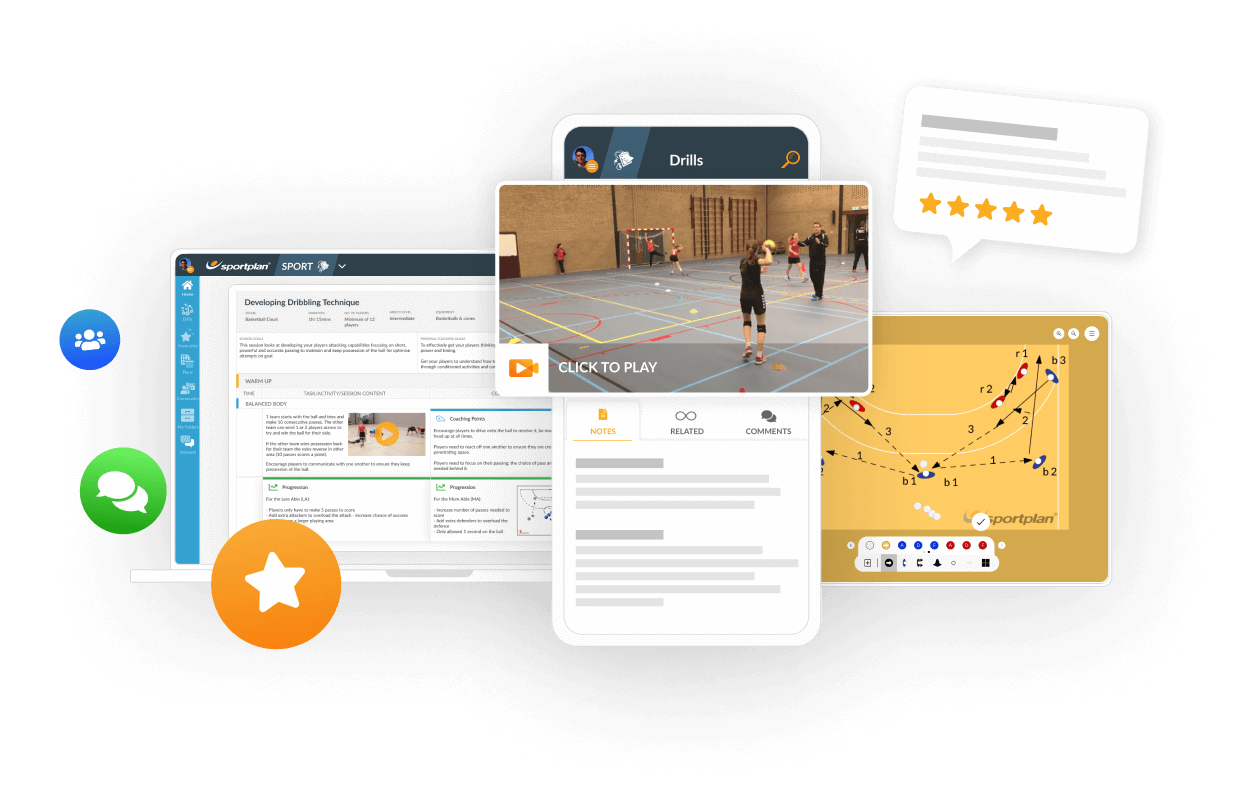
Verdelen over hoeken en LO en RO. Hoeken hebben de ballen.
Hoek telkens diagonaal instarten met 2 ballen naar de overliggende opbouwer. Bal aanspelen en dan op ca 10-11 mtr stilstaan. De opbouwer krijgt de bal in de loop en maakt een schijnbeweging dan omhoog komen en schieten.
De hoekspeler gaat dan omdraaien naar buitenkant en om 1 van ons die aan de cirkel staat en rond af. Op het moment dat deze hoekspeler voor het schot gaat is de hoekspeler dicht bij hem al dribbelend begonnen naar de overkant te lopen (met 2 ballen). Daar het zelfde.
VARIATIE:
Hetzelfde als net, maar nu niet stil staan als ingestarte hoekspeler. Nu ga je met de (2e) bal in beide handen vast houdend de opbouwer weerstand bieden. Daarna weer hetzelfde als net.
Hoeken worden opbouwers en andersom. Dus diagonaal aansluiten.
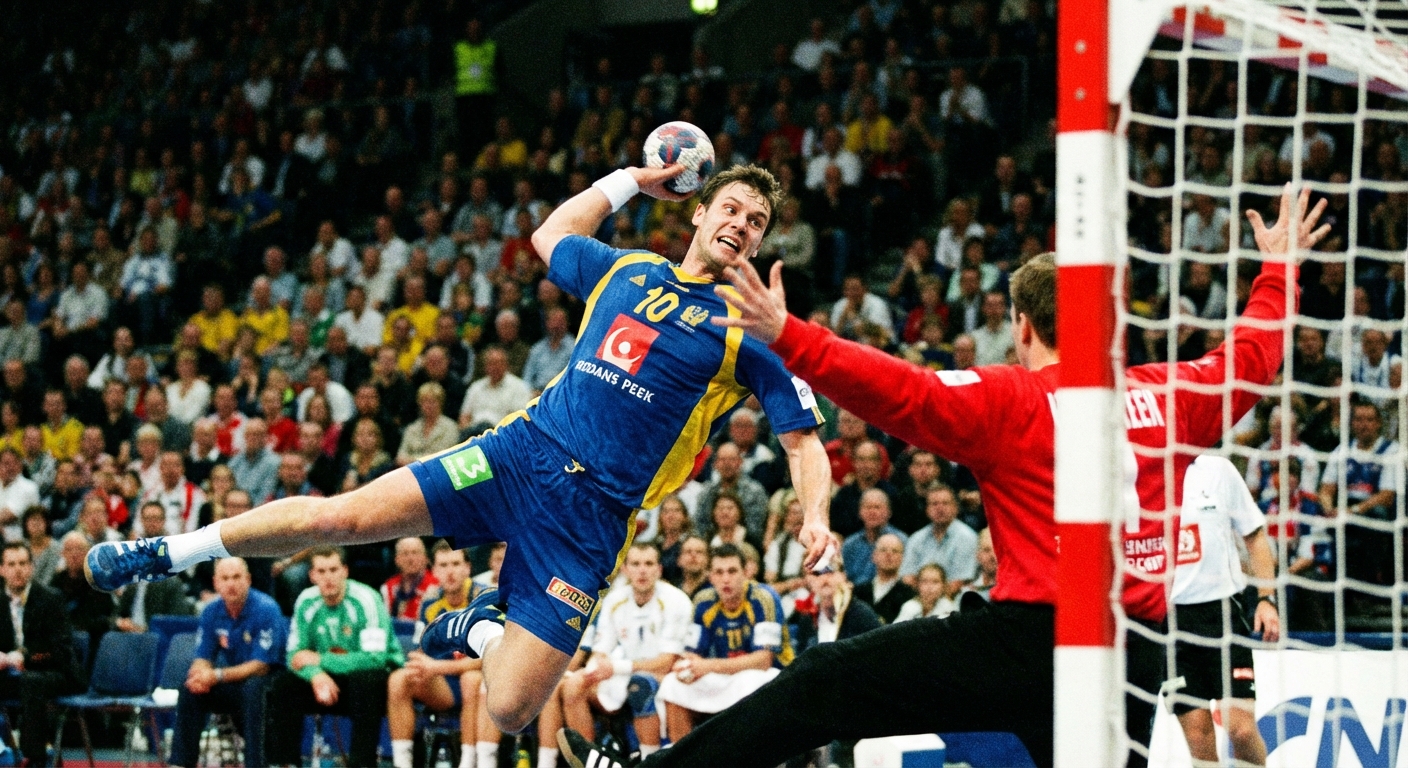
Wing players operate in the most demanding shooting position on a handball court, where acute angles and a close goalkeeper make finishing a specialist skill. This article breaks down the technique, decision-making, and training progressions that coaches need to develop elite wing finishing.
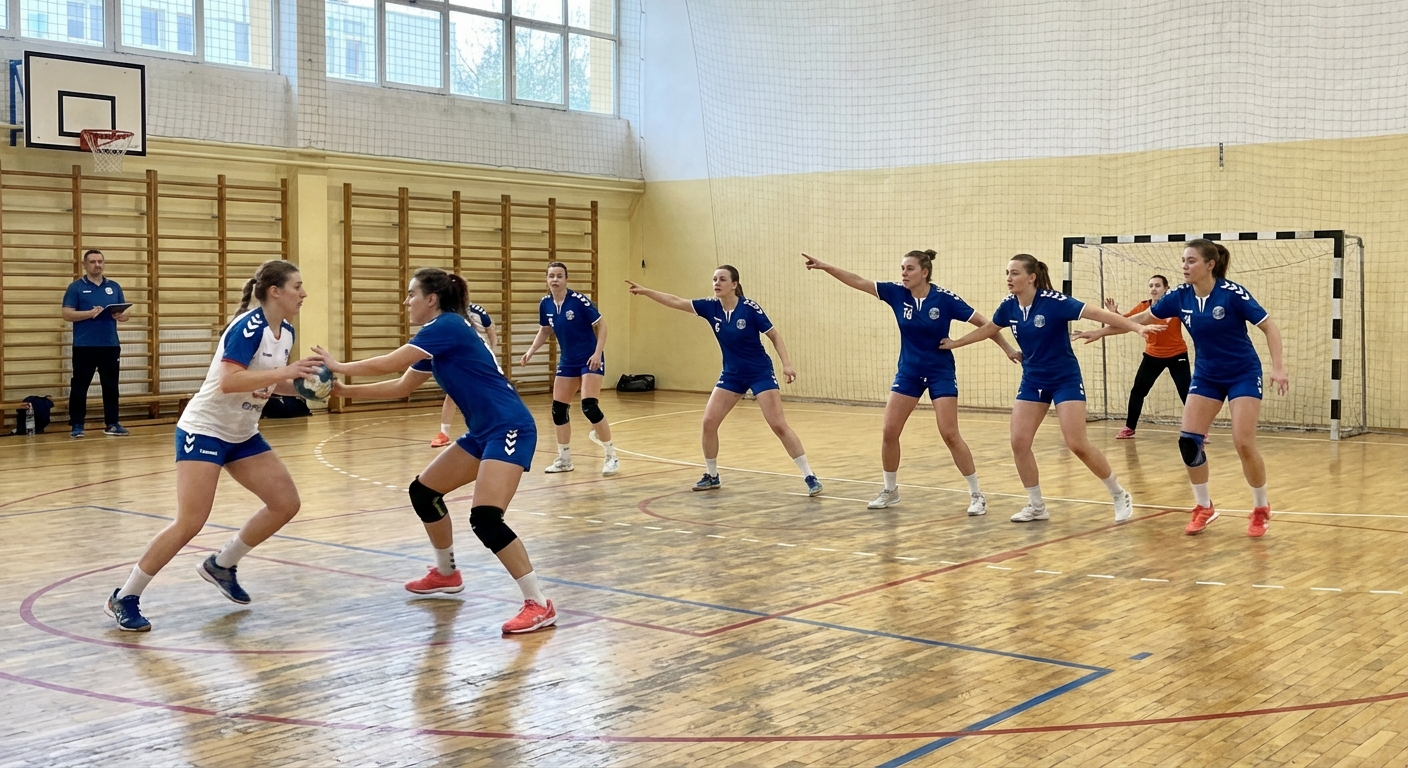
The transition from attack to defence is the most vulnerable moment in handball. This article examines the 3-second recovery principle, the specific roles players must adopt during transition, and the training scenarios that build a team's ability to recover defensive shape under pressure.
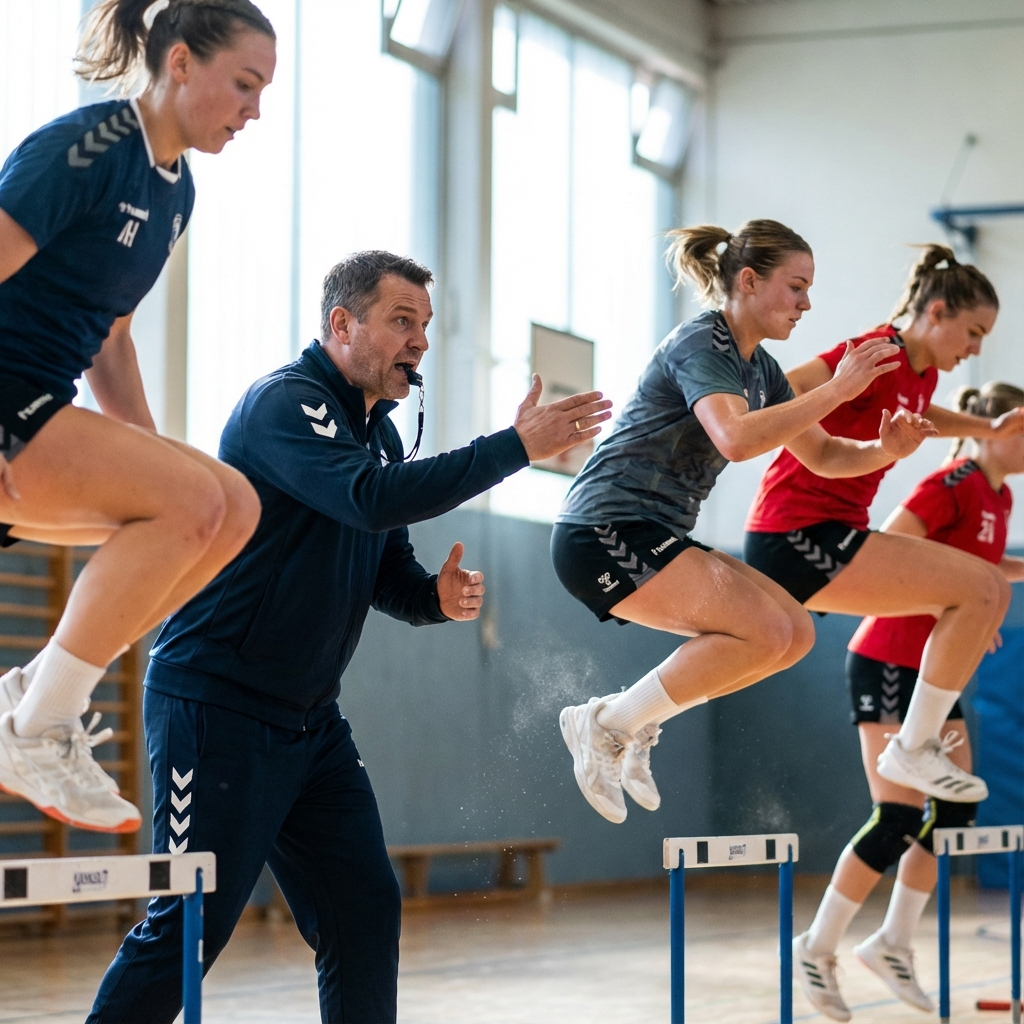
Handball demands explosive power, repeated sprint ability, and the strength to compete physically for 60 minutes. Sport-specific conditioning develops the athletic qualities that underpin elite performance.


Register for FREE and get coaching tips, top drills, session and more every week!