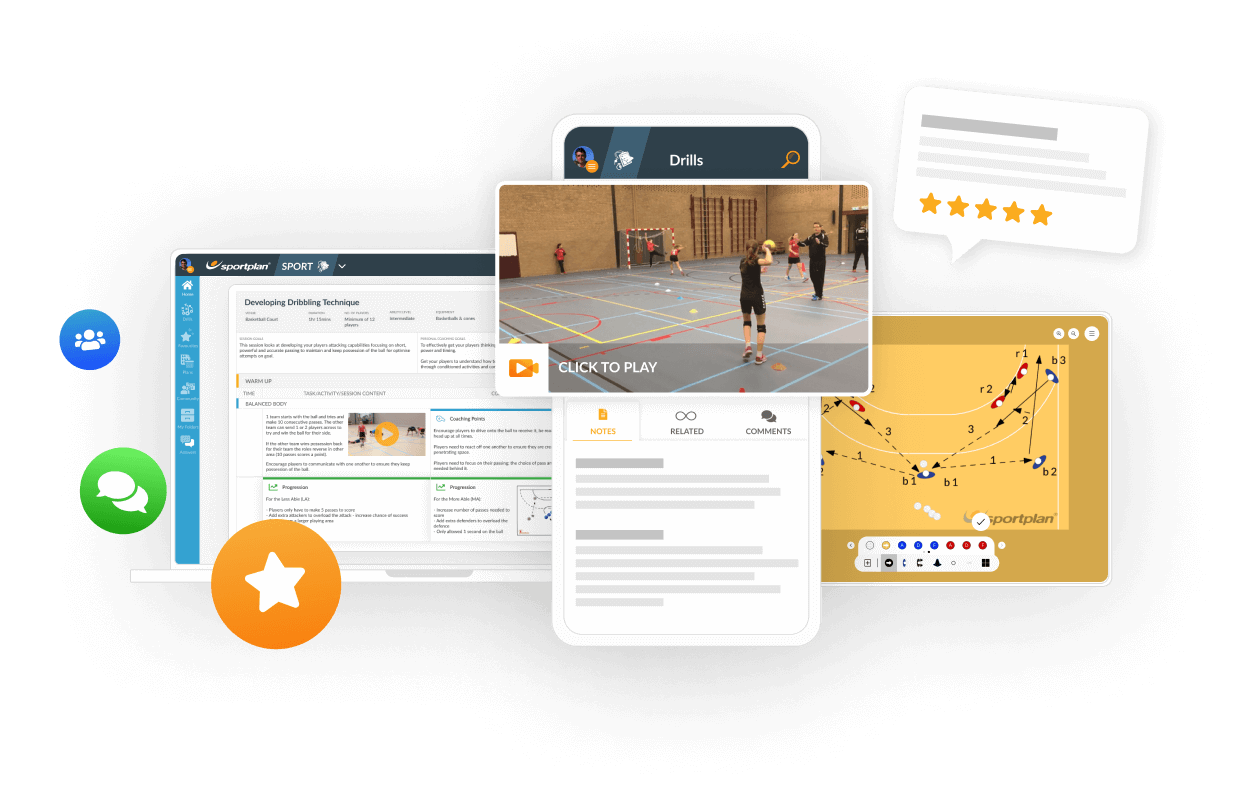
TRANSFORM YOUR TEAM'S SEASON WITH PROFESSIONALLY PLANNED SESSIONS
Use our expert plans or build your own using our library of over 700+ drills, and easy-to-use tools.
JOIN NOWQuick answer
The main passes in handball are the shoulder (overarm) pass, the bounce pass, the jump pass, the wrist pass, the behind-the-back pass and the chest pass. The shoulder pass does most of the work; the others beat a defender or a block. You can hold the ball for 3 seconds and take 3 steps with it before passing.
Source: IHF Rules of the Game summary for the 3-second and 3-step limits.
Beginners usually learn three: the shoulder (overarm) pass, the bounce pass and the chest pass. Together they cover long, short and close-range passing before players move on to the jump, wrist and behind-the-back passes.
Moving the ball to a teammate by throwing, bouncing or flicking it. You can only take three steps and hold the ball for three seconds, so good handball attacks are built on quick passing rather than dribbling.
Hold the ball in one hand, take it back above your shoulder, step forward with the opposite foot and throw through, pointing your hand at the target. Catch with two hands, then pass within three seconds.
The shoulder pass. With a full arm swing and a step into the throw it travels furthest and fastest, which is why goalkeepers use it to start fast breaks.
Seven on court per side: six court players and a goalkeeper. Mini handball for younger players uses four plus a goalkeeper on a smaller court.
Running a handball club? Teamo, from the makers of Sportplan, keeps availability, subs and team news in one club app. Find out more about Teamo.
Below: the original question and answers from coaches in the Sportplan community.
What are the types of passes? How are they done? What makes them special?


Hi Peter,
There are multiple ways of passing in handball. The most powerful and often the most accurate, the overarm pass is used the most in game play.
OVERARM PASS
The underarm pass is often used in tight areas to help get out of the congested areas. It`s regularly used when you do not have the time and space to make a powerful overarm pass.
UNDERARM PASS
The bounce pass is a great way to get around players that are in the line of the pass. Can be a dangerous way to attack as often more difficult to defend yet must be very accurate and sometimes the space to make the bounce isn`t there.
The drill attached shows how the variety of ways to pass in handball and how the situation often dictates the type of pass.
I hope this helps.

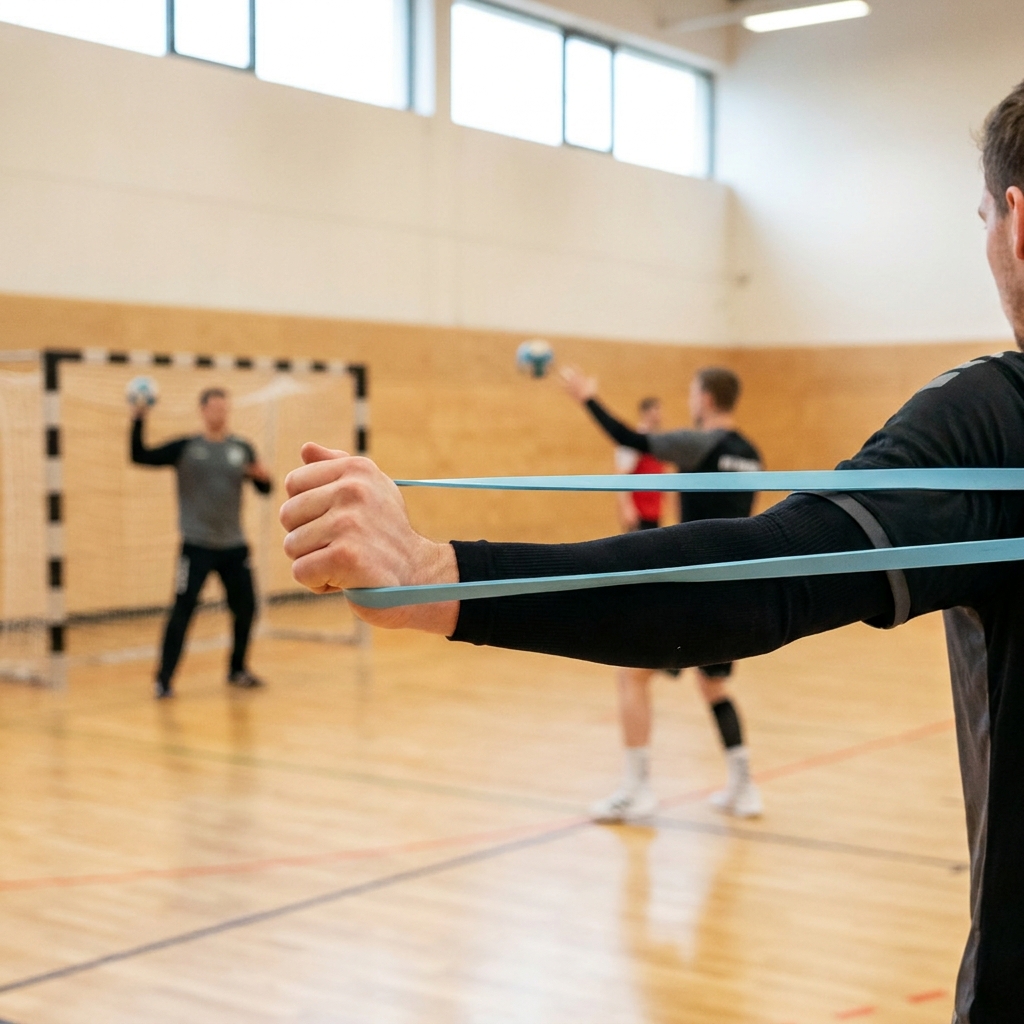
As indoor leagues get back into full swing this November, throwing volume climbs fast. A few minutes of shoulder care in every warm-up is the difference between a healthy season and a lost one.
A ready-to-run Halloween handball session for juniors: spooky warm-ups, verified drills and a small-sided game finale.
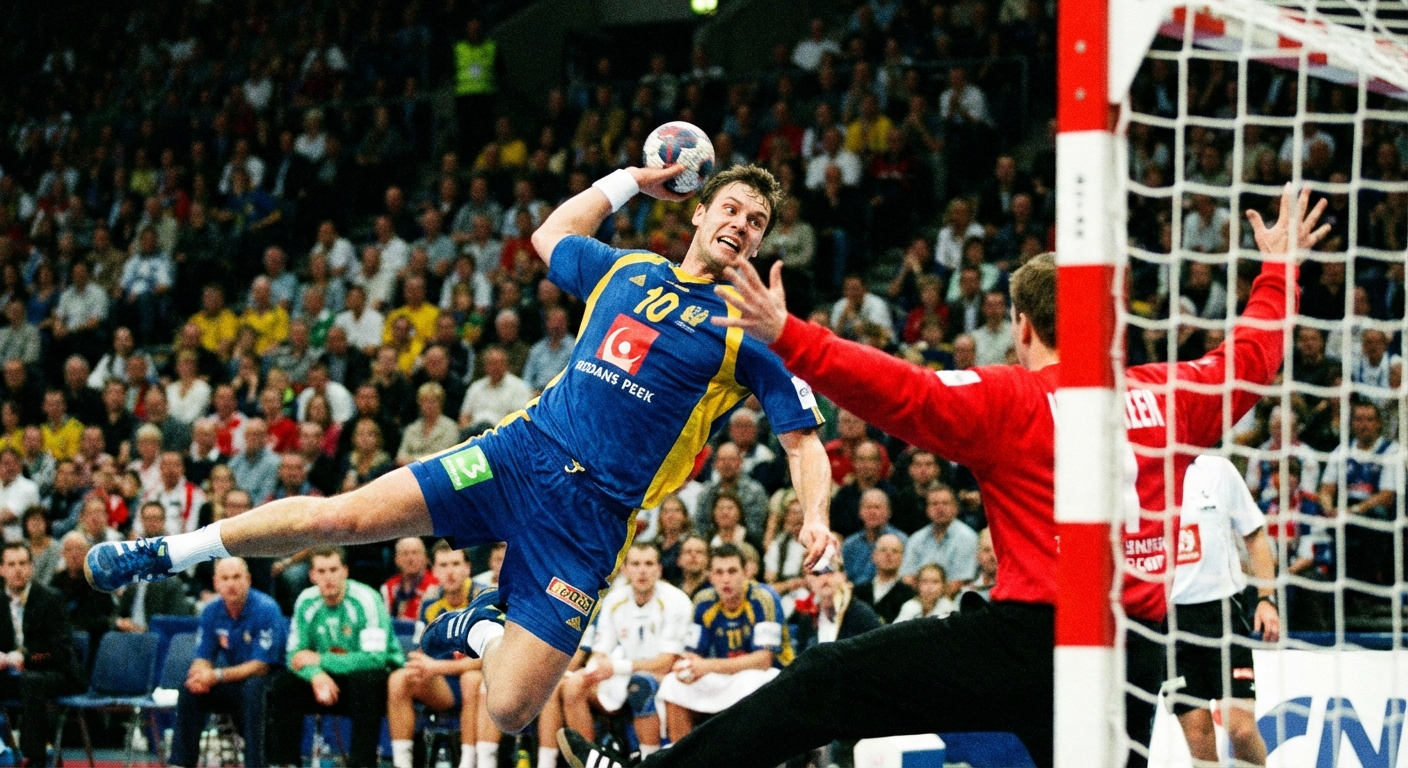
Wing players operate in the most demanding shooting position on a handball court, where acute angles and a close goalkeeper make finishing a specialist skill. This article breaks down the technique, decision-making, and training progressions that coaches need to develop elite wing finishing.
Use our expert plans or build your own using our library of over 700+ drills, and easy-to-use tools.
JOIN NOW


Register for FREE and get coaching tips, top drills, session and more every week!