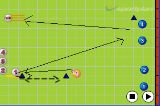
Teams of 6-8 a side are split into two teams; batsmen and fielders.
Each batsman has 6 balls to score as many runs as possible within the coned area only. If they are out they lose their runs and score -4 runs. When all the batsmen have batted they switch to fielding.
If a batsman is not out they return to the back of the queue of the waiting batsman.
The batting team bats until all the batsman are out.
You can choose to give the last batsman unlimited balls.
If a batsman hits a 4 they can bring another batter 'back to life' and continue to bat.

The new Laws of Cricket are in force from 1 October 2026 and the 'bunny hop' boundary catch is gone. Here is how to coach your fielders to catch on the rope this winter.

The covers are on and the last tea has been served. What your club does between now and April decides how the next season starts. Here is a simple, honest winter plan for players, bowlers and juniors.

August is when seasons are decided, and most club games are lost chasing rather than setting. Give your batters a framework for the chase and you win the close ones.


Register for FREE and get coaching tips, top drills, session and more every week!