







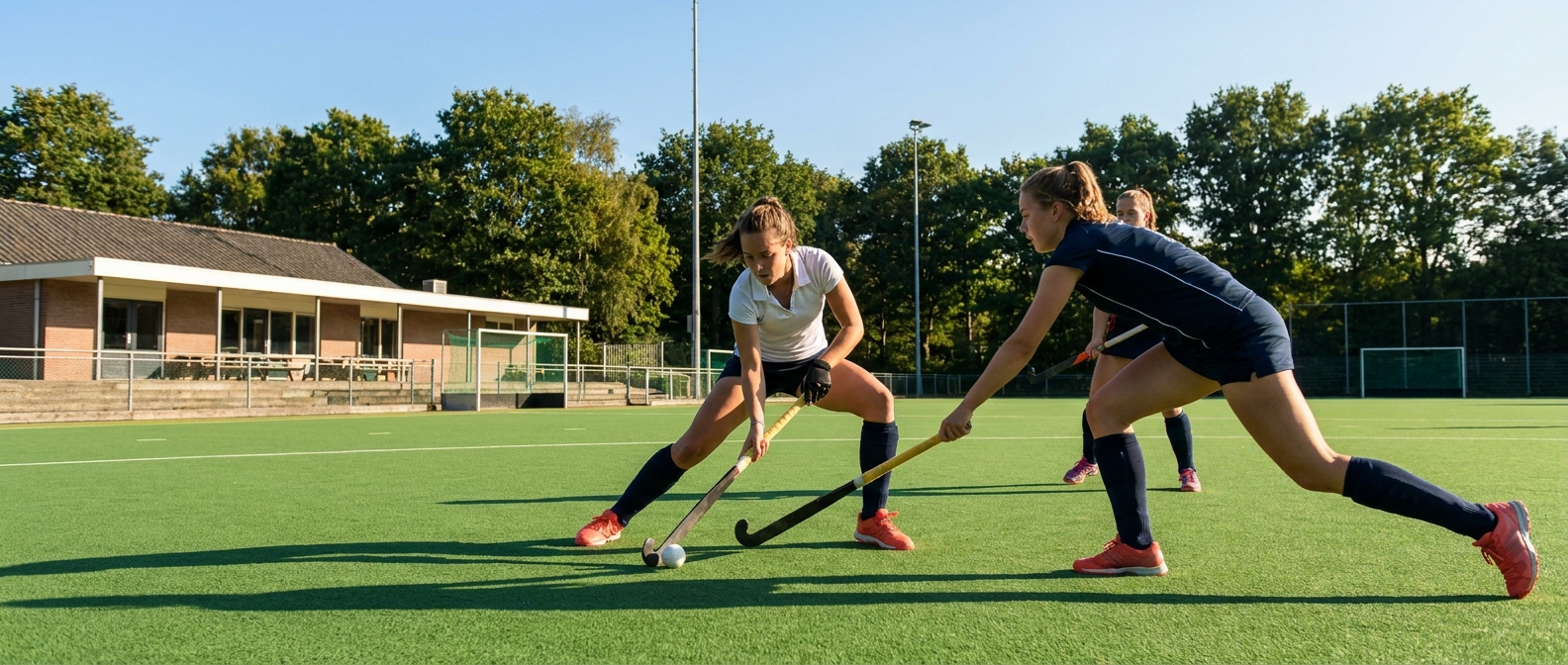
Ask any experienced coach what wins tight games and most will point to the same thing: players who can beat an opponent one on one. A single clean elimination breaks a defensive line, drags a marker out of shape and turns a stalemate into a chance. Yet in-season we rarely have time to work on it properly, because Tuesday nights get swallowed by team shape and set pieces.
That is what makes the summer so valuable. With no match on Saturday, players can grind at the unglamorous, repetitive skill work that actually moves the needle: close control at speed, the Indian dribble, changes of pace, and the courage to take a defender on. July and August are when a good player quietly becomes a match-winner, and a smart coach gives them the tools to do it.
Why the Off-Season Is Made for Skill Work
Skill acquisition needs volume and it needs freedom to fail. During the season, a player who tries an ambitious elimination and loses the ball gets punished on the scoreboard, so they stop trying. Strip the fixture away and you remove that fear. Now a mistake is just information, and players will attempt the very moves they would never risk in a league game.
The off-season also offers something rare: repetition without fatigue from matches. A player can do hundreds of quality touches in a session without needing to save their legs for Saturday. That volume, done well, rewires the hands so the skill becomes automatic when it matters.
The mindset: in summer, reward effort and bravery over outcome. Praise the player who tries to beat their marker and loses it, not the one who plays safe sideways.
Building a 1v1 Toolkit
A confident dribbler isn't improvising randomly; they have a small set of reliable moves and the awareness to pick the right one. Give your players a toolkit they can rehearse all summer.
Step One: Master close control first. Before any elimination, the ball must be glued to the stick. Drill the Indian dribble until players can carry the ball left and right at pace with their heads up. Everything else is built on this.
Step Two: Add the change of pace. The best eliminations are won with acceleration, not fancy stickwork. Teach players to approach a defender under control, then explode past on the touch. A defender who is set can be beaten by tempo alone.
Step Three: Attack the space, not the stick. Coach players to run at a defender's front foot and commit them, then take the ball into the space behind. Beating a player is about manipulating their balance, not just moving the ball.
Step Four: Practise both sides. Most players can beat a defender on one side only. Summer is the time to force work on the weaker side and the reverse-stick escape, so opponents can't simply show them one way.
Keeping It Game-Realistic
Cone slaloms have their place for grooving a technique, but a cone never moves, never fakes and never tackles. As soon as the basic action is reliable, put a live defender in. Start with a passive defender who applies token pressure, then progress to a fully active one competing for the ball.
Small, competitive 1v1 games are the gold standard. Give the attacker a clear target to reach and the defender a clear job, keep the areas tight, and let them go again and again. The competition sharpens the skill far faster than any isolated drill.
Key Coaching Points
- Close control comes before elimination; secure the ball on the stick first
- Beat defenders with a change of pace, not just stickwork
- Attack the defender's balance and take the ball into the space behind
- Force work on the weaker side and the reverse stick over the summer
- Progress from cones to a passive defender to a fully live 1v1
- Reward bravery and effort over outcome while the skill is being built
Recommended Drills



Frequently Asked Questions
How often should players practise 1v1 skills over the summer?
Little and often beats one long weekly session. Fifteen to twenty focused minutes of close control three or four times a week will build more than a single two-hour block. Encourage players to keep a ball at home for touches in the garden or garage.
My players are scared to take defenders on in matches. How do I change that?
Confidence is built in the safety of the off-season. Give them hundreds of successful repetitions against passive then live defenders, and consistently praise the attempt rather than the result. When they have banked the reps in summer, the courage follows in autumn.
Should I coach specific moves or let players find their own?
Do both. Give them a core toolkit, the Indian dribble, a change of pace and a reverse escape, so they have reliable options. Then leave room in games for them to improvise, because the best eliminations often come from a player's own instinct.

 sportplan_hockey









