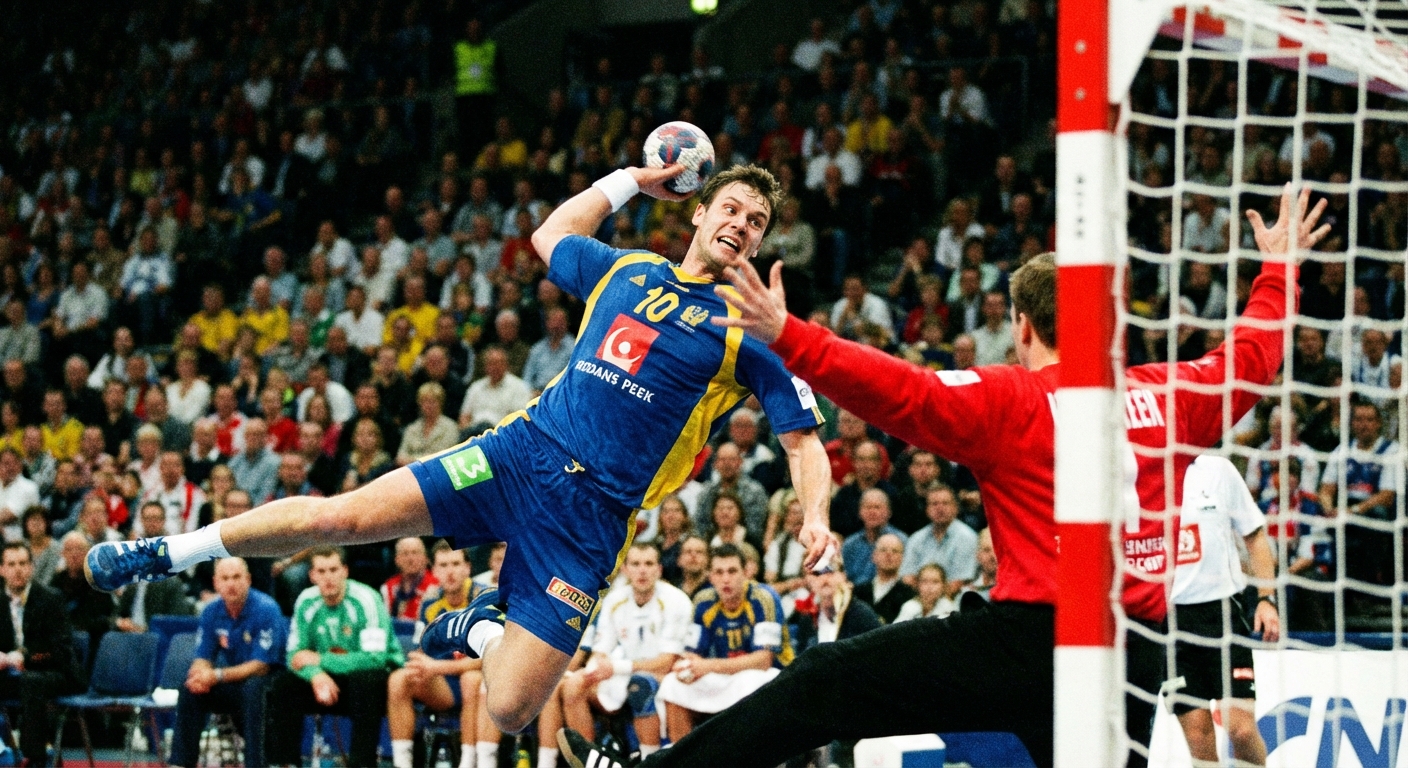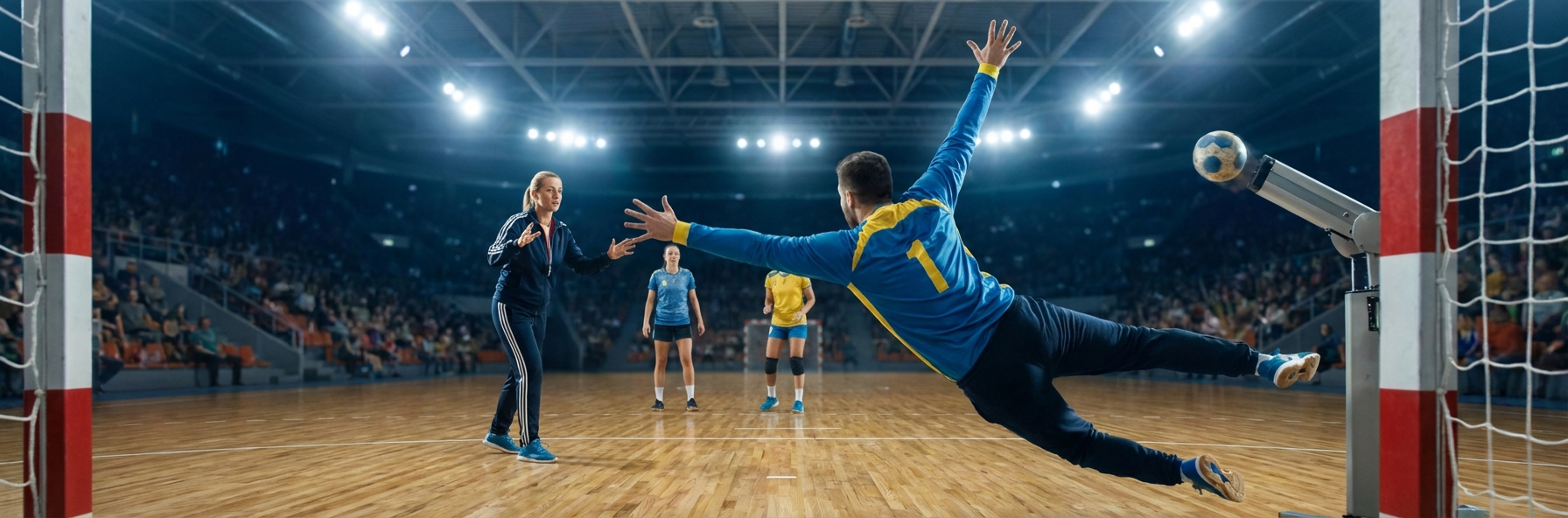
Goalkeeper performance has a massive impact on match outcomes. A save percentage improvement of just 5% can be the difference between winning and losing. Modern goalkeeper training focuses on developing reflexes, positioning, and the psychological strength to perform under constant pressure.
Basic Positioning
Starting position determines save success:
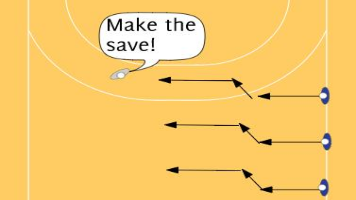
Arc positioning: Move on an arc to cut down shooting angles.
Depth adjustment: Step forward against close-range threats, back against long-range.
Ready stance: Weight balanced, hands ready, eyes on the ball.
Lateral coverage: Position to protect the most likely target area.
Reflex Development
Improving reaction speed:
Visual training: Exercises to improve ball tracking and anticipation.
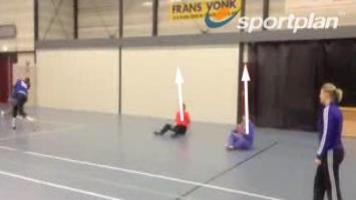
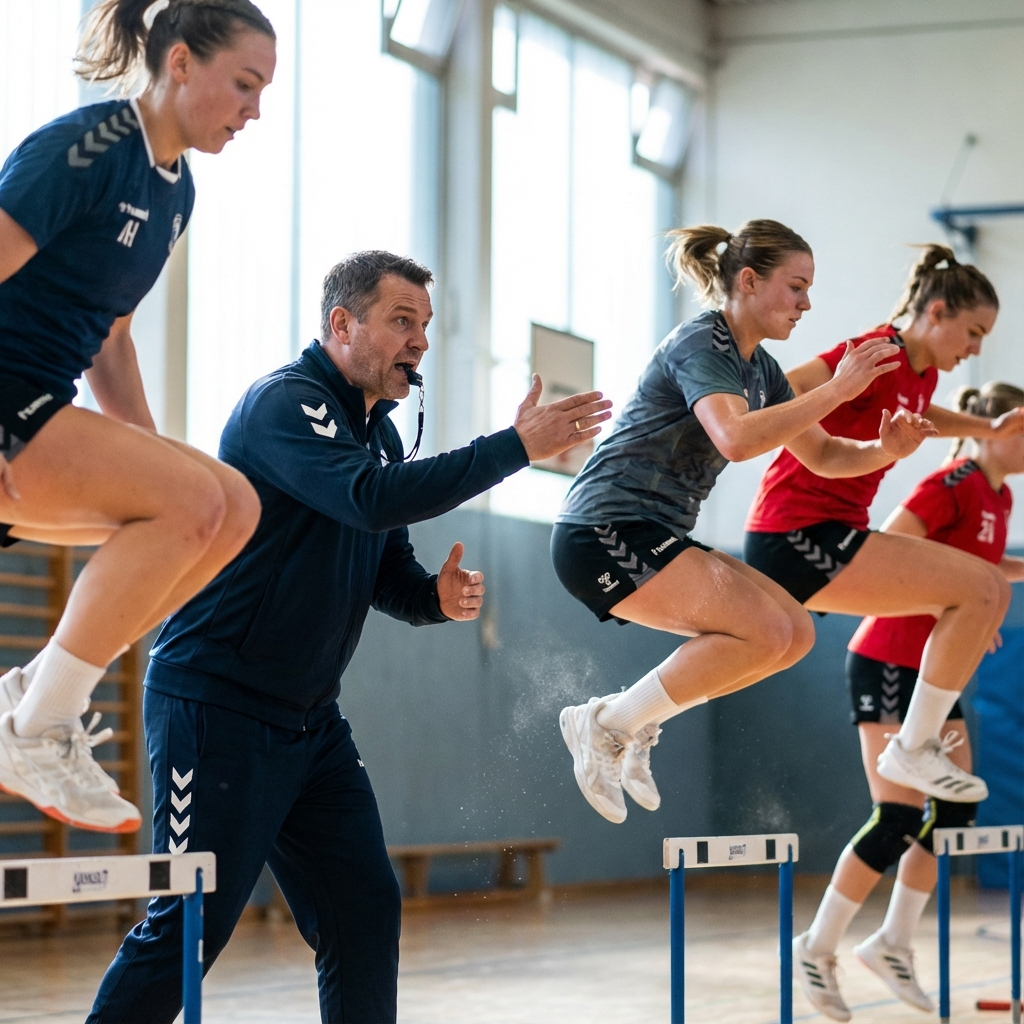
Multi-ball drills: Rapid-fire shots develop quick reactions.
Unexpected angles: Train for deflections and bouncing shots.
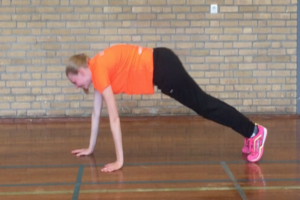
Recovery speed: Getting back to position after initial save attempt.
Shot Type Responses
High shots: Arm and body positioning for corner saves.
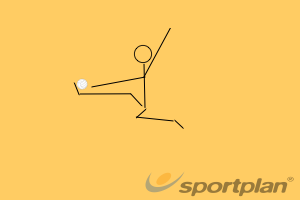
Low shots: Foot and leg techniques for ground-level saves.
Bounce shots: Timing and positioning for unpredictable trajectories.
Penalty shots: Reading shooters and committing to a side.
Psychological Preparation
Concentration: Maintaining focus through periods without action.
Resilience: Recovering mentally after conceding goals.
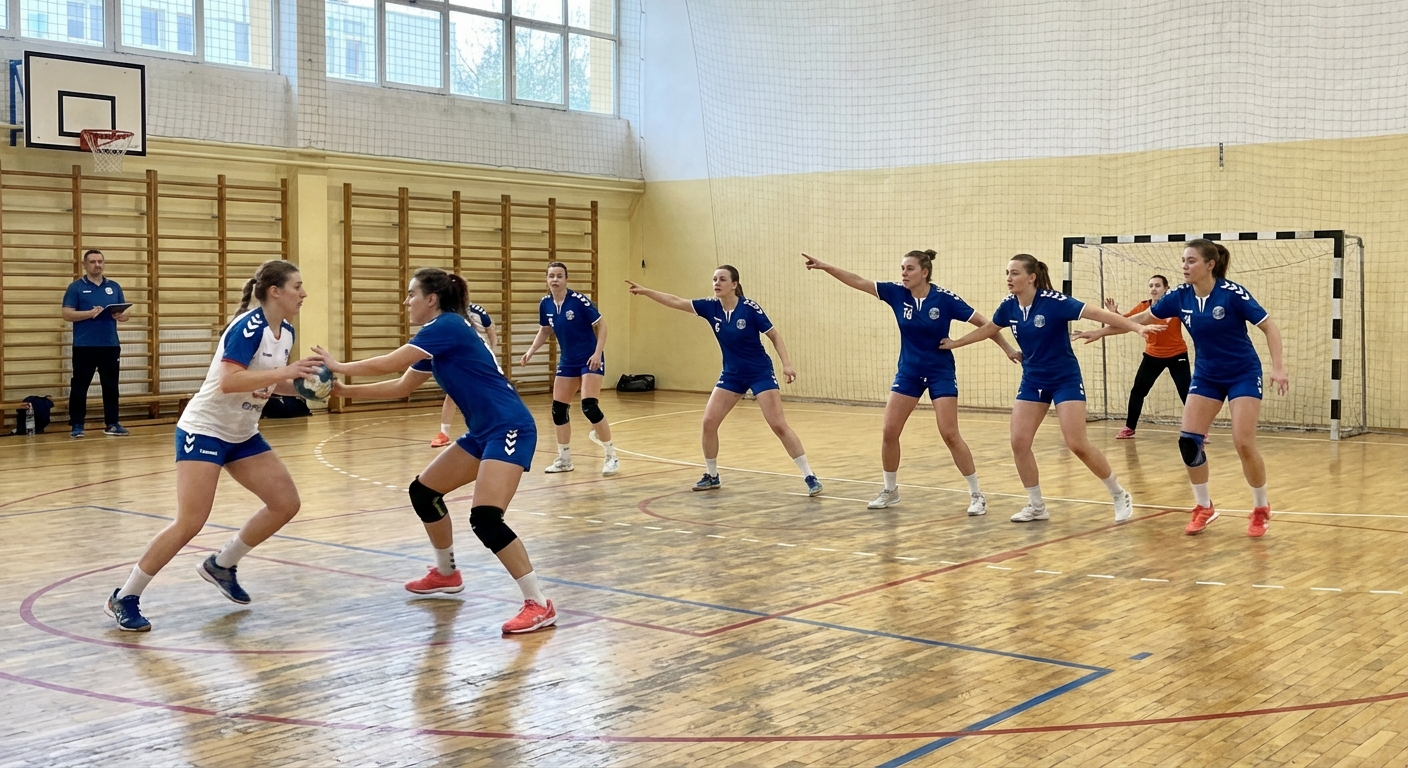
Communication: Directing the defence and providing information.
Fast break initiation: Quick distribution to start counter-attacks.
Key Coaching Points
- Positioning is more important than athleticism
- Read the shooter's body to anticipate shot direction
- Reflex training must include game-realistic scenarios
- Mental strength separates good goalkeepers from great ones
- The goalkeeper is the first attacker - train distribution