If you want to maximise the number of touches each player has on the ball and improve their reverse and open stick play then this first hockey training plan is the place to start.
In this plan players work in pairs throughout - so you can be sure they will all have a lot of time to perfect their dribbling, turning and their ability to correctly weight the pass.
Is this plan easy to set up?
All the practices are incredibly simple to set up so you won't spend the entire time placing cones and can easily be tailored to deal with differing levels of player. What's great about this plan is you will be able to quickly get large groups of players passing and moving - giving you ample opportunity to go round and assess your players' skill and fitness levels.
With more experienced players place them under match conditions and you'll be able to tax both their aerobic and anaerobic energy systems - preparing these techniques in preparation for match play.
in more ways than one
 sportplan_netball

in more ways than one
sportplan_football
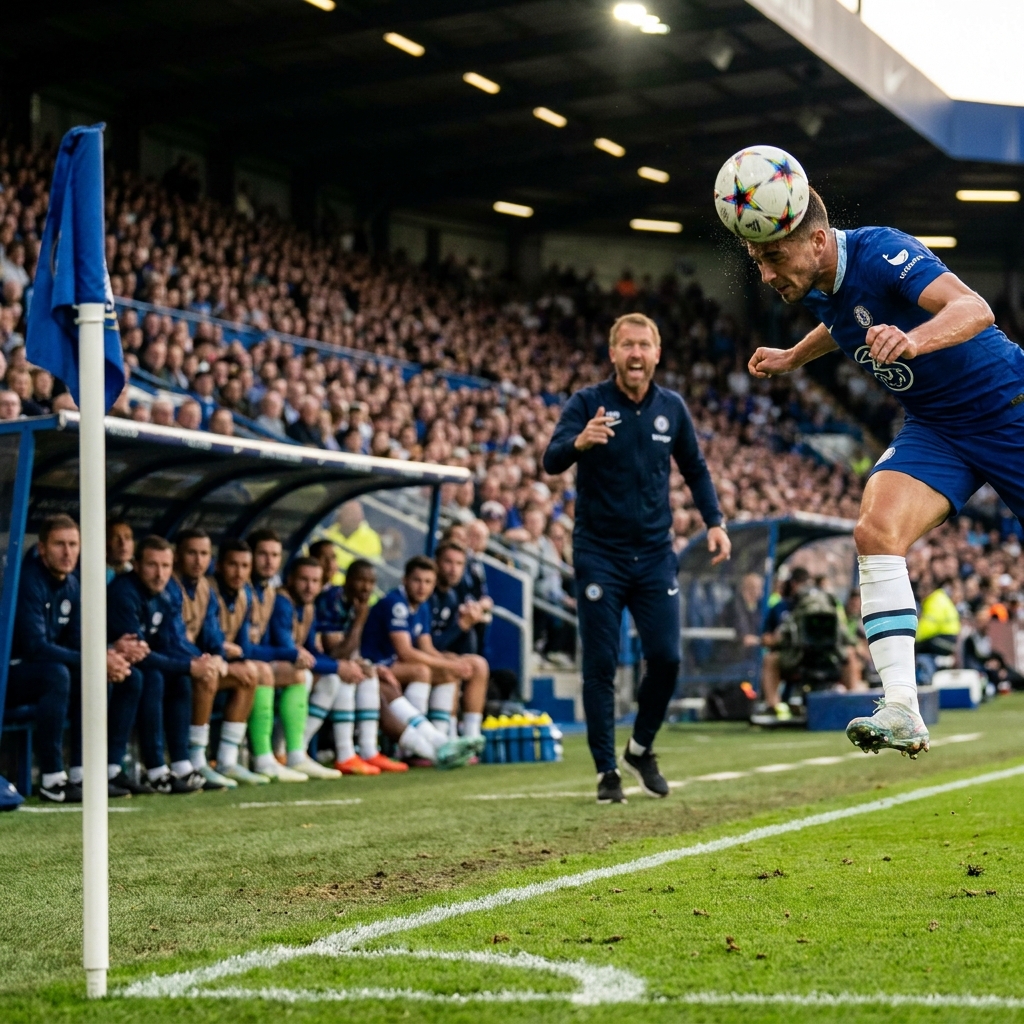
Roughly a fifth of Premier League goals come from set pieces, and the gap between teams who plan their routines and teams who do not has never been wider. Here is how the modern set-piece specialists design attacking corners, free kicks, and throw-ins - and how you can apply their ideas at any level.
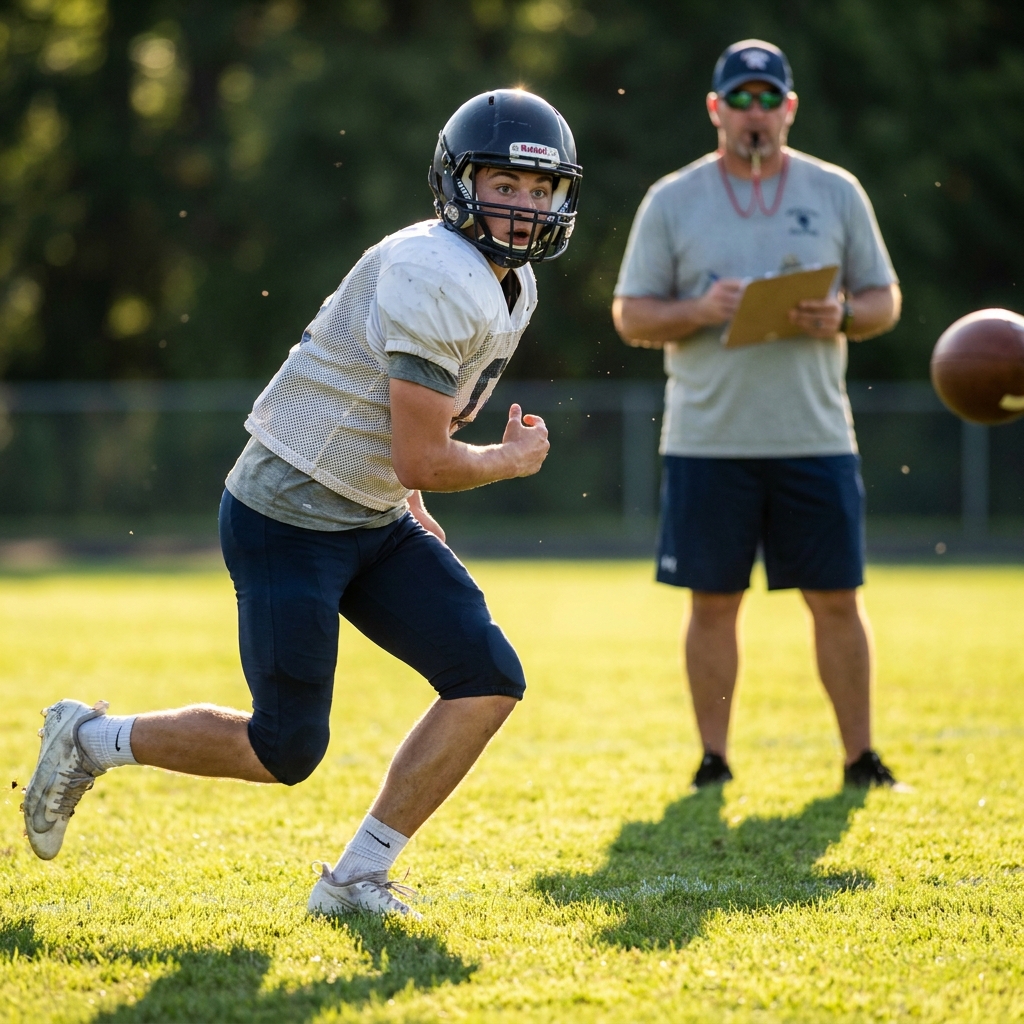
The next frontier in football coaching is not physical, it is mental. Cognitive load training - the deliberate use of perception, decision-making and dual-task demands inside football drills - is reshaping how the best academies develop players. Here is what it means and how to use it.

If the last decade taught us about pressing, this one is teaching us about what stands behind it. Rest defence is the shape your team holds while attacking, and it is the difference between dominating a game and getting picked off on the counter.