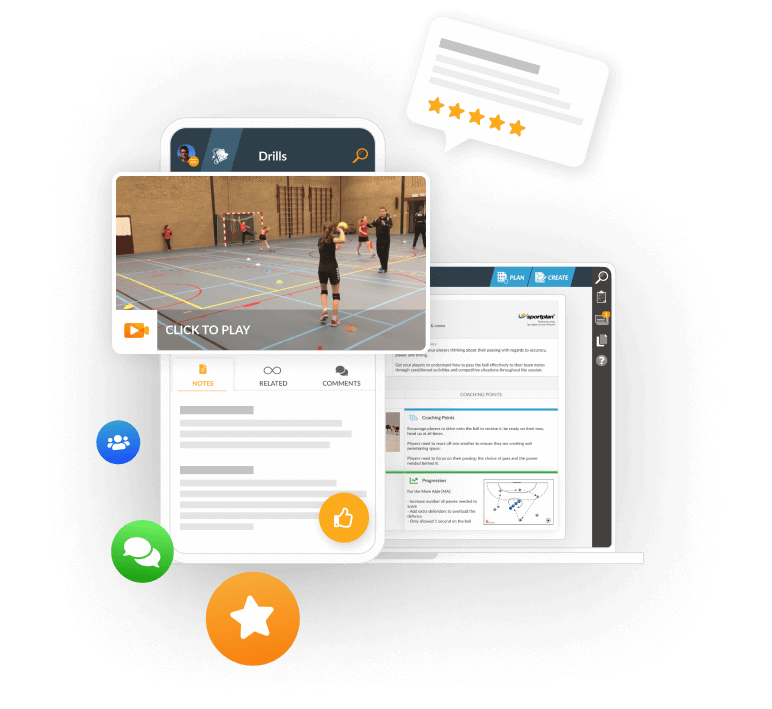
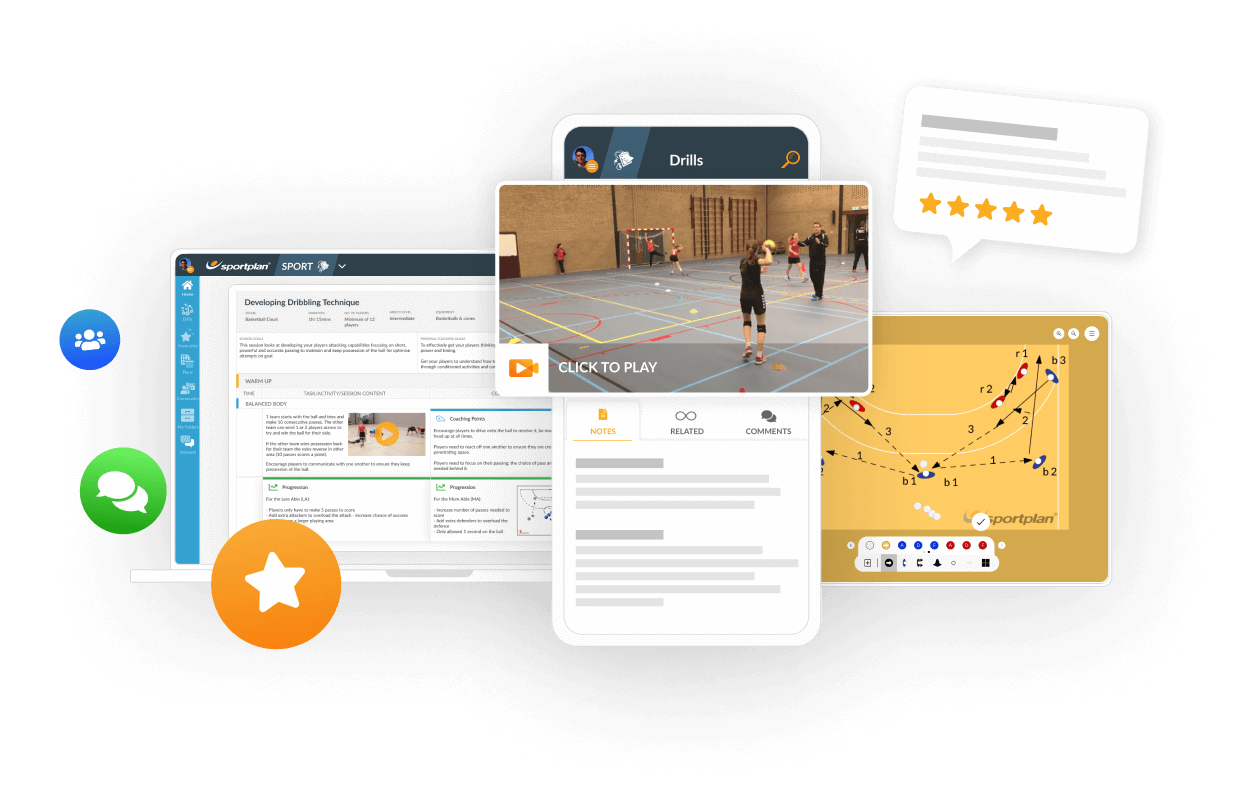
1st exercise:
with the ball in their hands 2x running forwards on the right side up to the 3rd cone, go around, run backwards to the 2nd cone, go around, run up to the 4th cone, go around, back to the 3rd, go around, up to the 5th, go around, back to the 4th, go around and sprint 5meters after the last cone. walk back recovery.
2x same drill, but on the left side.
team relay: same exercise, except that after running up to the 5th cone players run all the way backwards to the start line. Once they cross the start line, the next player of the team does the exercise. teams are competing against each other the same time.
2, same exercise, but have another player at the last cone (B). From the other end pass the ball to B, run up to the 3rd coin and receive a pass from B. go around the cone, run backwards to second cone, go around, pass to B,run up to cone 4,receive pass etc..
try to lift the gaze rather than looking at feet.
can do it without ball, or with dribbling.
modify the exercise to the player's ability
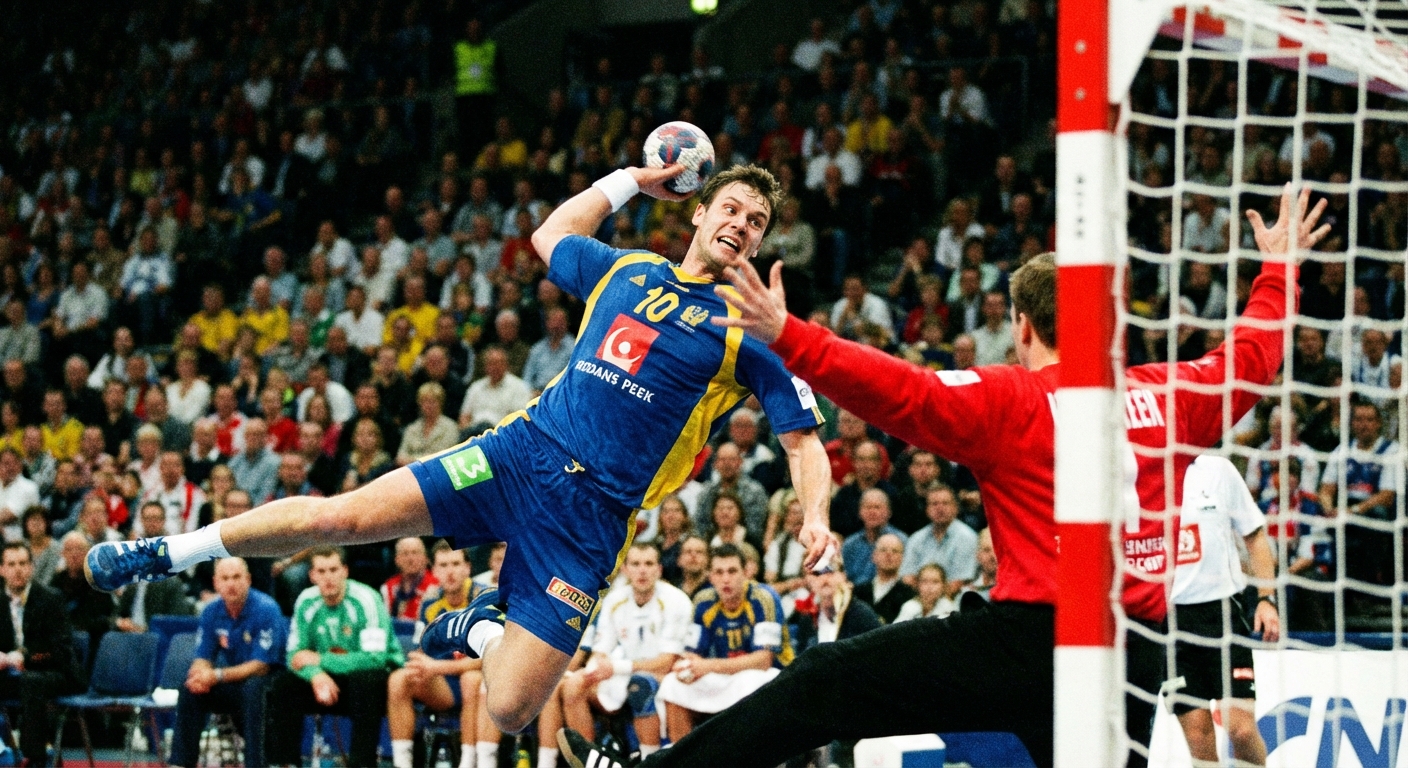
Wing players operate in the most demanding shooting position on a handball court, where acute angles and a close goalkeeper make finishing a specialist skill. This article breaks down the technique, decision-making, and training progressions that coaches need to develop elite wing finishing.
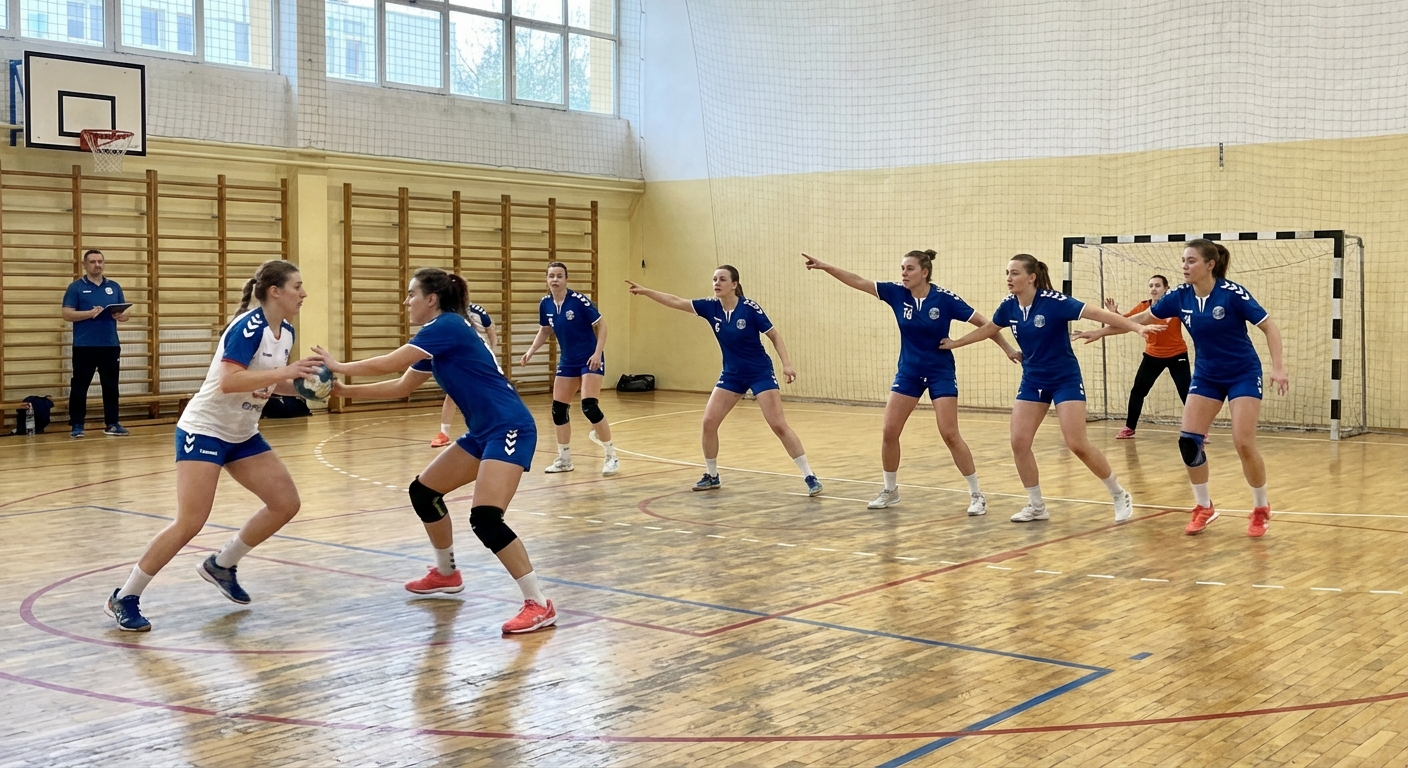
The transition from attack to defence is the most vulnerable moment in handball. This article examines the 3-second recovery principle, the specific roles players must adopt during transition, and the training scenarios that build a team's ability to recover defensive shape under pressure.
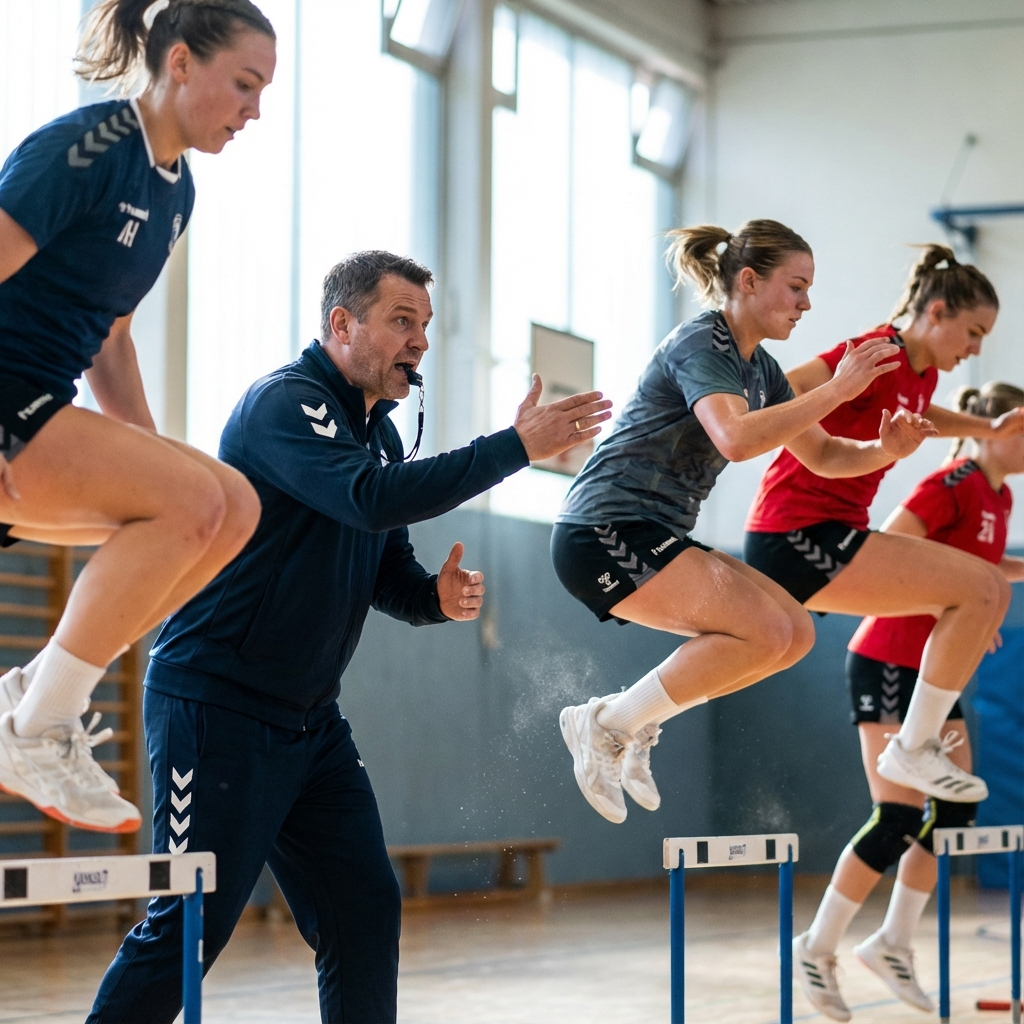
Handball demands explosive power, repeated sprint ability, and the strength to compete physically for 60 minutes. Sport-specific conditioning develops the athletic qualities that underpin elite performance.


Register for FREE and get coaching tips, top drills, session and more every week!